
Harvest
Time Tracking
Sign up free

Meal Break Calculator in India

Harvest is a time tracking and invoicing tool that helps teams and freelancers streamline their workflow, ensuring accurate time logs and efficient project management.

Try Harvest Free

How many hours did you work this week?

Enter your clock-in and clock-out times for each day. The calculator handles breaks, overtime, and weekly totals automatically.

Day Clock In Clock Out Break Hours
Total hours this week 0h
Regular hours (≤40) 0h
Overtime hours 0h
Average hours/day 0h
Total break time 0h

Track time automatically with Harvest

Walk through the entire flow below. Start a timer, check your reports, and create a real invoice — all in three clicks.

Go ahead — start tracking!

One click and you're timing. Try it right here: start a timer, add an entry, edit the details. This is exactly how it feels in Harvest.

  • One-click timer from browser, desktop & mobile
  • Works inside Jira, Asana, Trello, GitHub & 50+ tools
  • Duration or start/end — your call
  • Day, week & calendar views to stay on top of it all
  • Friendly reminders so no hour gets left behind
Acme Corp
Website Redesign
Homepage layout revisions
1:24:09
Content Strategy
Blog calendar planning
1:30:00
SEO Audit
Technical audit report
0:45:00
Brand Guidelines
Color system documentation
2:15:00
Logo Concepts
Initial sketches round 1
1:00:00

Understanding India's Legal Framework for Meal Breaks

In India, labor laws mandate specific guidelines to ensure employee well-being through regulated work hours and mandatory breaks. The Factories Act, 1948, and the Occupational Safety, Health and Working Conditions (OSH) Code, 2020, provide comprehensive frameworks for these regulations. Under these laws, employees cannot work more than 5 continuous hours without a mandatory meal break of at least 30 minutes. In certain situations, state governments may allow work up to 6 hours before requiring a break.

The standard workweek in India comprises 48 hours over six days, with a daily maximum of 8-9 hours. However, the total spread-over of working hours, including breaks, must not exceed 10.5 hours per day. Ensuring compliance with these regulations is crucial for both employers and employees to avoid potential legal penalties and guarantee fair labor practices.
Calculating Meal and Rest Periods: Practical Guidelines

Meal breaks in India are generally unpaid, distinguishing them from short rest breaks, which are compensable if provided by the employer. Employees earn overtime pay at twice their normal wage for hours worked beyond the standard 9-hour day or 48-hour week. Accurate timekeeping and record maintenance are essential to ensure compliance with these guidelines and avoid disputes.

To calculate total working hours, employers must include both paid and unpaid breaks, adhering to the mandatory 30-minute meal break after 5 continuous work hours. Keeping track of these intervals is vital for calculating overtime and ensuring the workday does not exceed statutory limits. Employers should clearly communicate break policies and maintain accurate records to uphold legal standards.

Special Considerations for Diverse Workforces

Indian labor laws also provide special considerations for diverse workforces, including women, young workers, and nursing mothers. Women working night shifts are subject to specific restrictions to ensure their safety, while young workers under 18 must receive a 1-hour break after 3 consecutive hours of work. Additionally, the Maternity Benefit Act requires employers to offer nursing mothers two breaks for breastfeeding activities.

These regulations highlight the importance of accommodating the unique needs of different employee groups. Employers must be vigilant in applying these provisions to support a diverse workforce and comply with legal requirements. Understanding these nuances is crucial for fostering an inclusive and legally compliant workplace.

Navigating Regional and Industry-Specific Variations

State-specific Shops and Establishments Acts introduce variations in labor regulations across India, requiring businesses to comply with local rules. For instance, New Delhi mandates a 30-minute break after 5 hours of continuous work. Industries like IT and retail often follow state-specific guidelines, which might differ significantly from central laws.

Employers operating in multiple states must navigate these variations to maintain compliance. Industry-specific regulations, such as those in manufacturing and hospitality, may also dictate unique break policies. Understanding and adhering to these regional and sector-specific laws is essential for legal compliance and operational efficiency.

Calculate Meal Breaks with Harvest

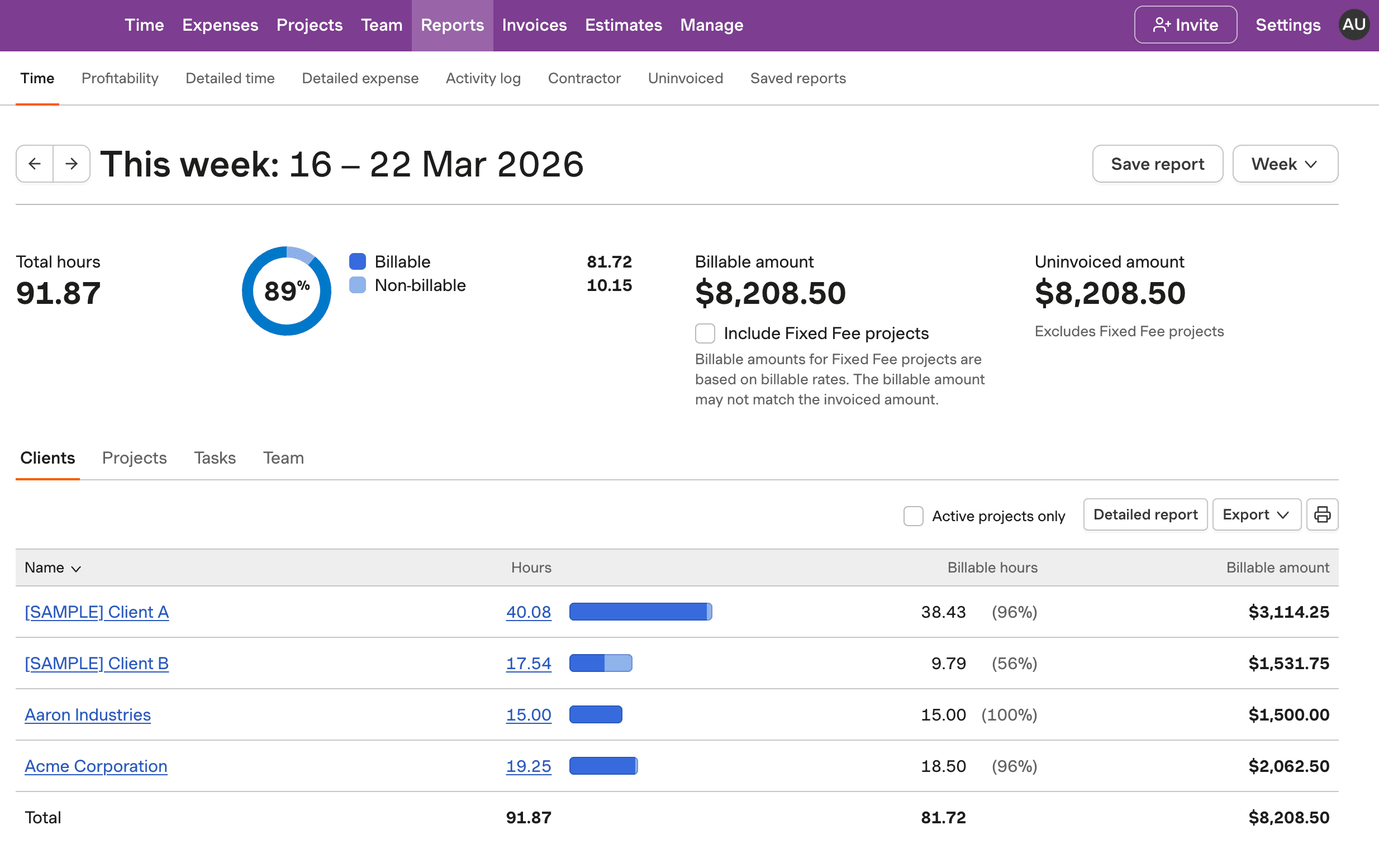
See how Harvest helps you calculate meal breaks and work hours in India, ensuring compliance with labor laws.

Preview of Harvest's time tracking tool for calculating meal breaks in India.

Meal Break Calculator in India FAQs

  • In India, employees must receive a meal break of at least 30 minutes after 5 continuous hours of work. This is mandated by the Factories Act, 1948, and the OSH Code, 2020.

  • Total work hours are calculated by adding the hours worked and accounting for all breaks. Meal breaks are usually unpaid, whereas short rest breaks may be paid if the employer offers them.

  • The minimum meal break duration required by Indian law is 30 minutes after 5 continuous hours of work, as stipulated by central labor laws.

  • Meal breaks in India are generally unpaid. However, short rest breaks, typically ranging from 5 to 20 minutes, may be compensable if provided by the employer.

  • Unpaid meal breaks do not count towards total work hours and therefore do not impact overtime calculations. Overtime is calculated based on hours worked beyond the standard 9-hour day or 48-hour week.

  • Yes, night shift workers, especially women, are subject to specific safety regulations. For young workers under 18, night shifts are prohibited by law.

  • The Maternity Benefit Act requires employers to provide nursing mothers with two breaks to express breast milk. The duration is agreed upon between employer and employee.