
Harvest
Expenses
Sign up

Expense Tracker for Department Budgets

Harvest provides effective project-based expense tracking, reducing the risk of financial waste by up to 20% through efficient management and automated processes.

EXPENSE REPORT DRAFT

Drop your receipts here or click to upload

Images and PDFs (max 10 MB each)

Date
Category
Merchant
Description
Amount
Total
$0.00

Customise report

Appearance

Show report title

Report settings

The Challenge of Departmental Expense Tracking

Tracking departmental expenses is essential for maintaining financial discipline and ensuring that budget allocations are effectively utilized. However, many organizations face significant challenges in this area. For instance, up to 20% of departmental budgets can be wasted due to inefficient expense management practices, such as lost receipts and unrecorded expenditures. These inefficiencies often lead to approval delays, with only 2.6% of expense claims being approved immediately, while 27% take over 30 days to process. Such delays can distort budgetary planning and hinder strategic decision-making.

The evolution from traditional paper-based methods to digital solutions has transformed how departments manage expenses. Yet, many businesses still struggle with manual processes that lead to errors and lack real-time visibility. This is where modern expense tracking solutions come into play, providing automated systems that reduce the manual burden, minimize errors, and enhance financial visibility.
Harnessing Automation for Better Expense Management

Automated expense tracking solutions offer a powerful way to improve efficiency and reduce costs. On average, manually processing an expense report can cost an organization upwards of $58, but automation can cut this overhead by 70%, resulting in significant savings. Automation not only reduces costs but also streamlines workflows, ensuring expenses are processed quickly and accurately.

Automation's impact goes beyond cost savings. It enhances productivity by freeing employees from time-consuming manual data entry, allowing them to focus on core business activities. Additionally, real-time expense monitoring facilitates better financial control, enabling departments to track their spending against budgets continuously. By adopting automated systems, organizations can achieve greater compliance, higher accuracy, and more informed financial decision-making.

Why Choose Harvest for Project-Based Expense Tracking

For small-to-medium businesses focused on project-based expense tracking, Harvest offers an ideal solution. While it does not provide real-time budget visibility for departmental spending, Harvest excels at comprehensive spend tracking across various expense types, such as categorizing and tracking expenses by date, project, and category. This allows businesses to maintain a clear view of project-related costs and ensure accurate invoicing.

Harvest's project-based budgeting includes tracking expenses in a straightforward, user-friendly interface, making it accessible for teams that need to manage spending without the complexity of departmental budget hierarchies. By focusing on project-specific needs, Harvest provides the right balance of simplicity and functionality for efficient expense management.

Effective Budget Management Strategies

Implementing effective budget management strategies is crucial for maximizing the benefits of expense tracking tools. One key approach is adopting a comprehensive expense management lifecycle framework. This includes establishing clear policy frameworks with defined rules and approval workflows, capturing transactions with mobile tools, and ensuring seamless data integration with financial systems.

Organizations should also prioritize regular budget reviews to anticipate upcoming costs and prevent unnecessary expenses. Collaborative budgeting, involving cross-departmental input, ensures realistic and accountable financial planning. By combining these strategies with the capabilities of tools like Harvest, businesses can enhance their financial discipline and achieve better budgetary outcomes.

Track Department Budgets with Harvest

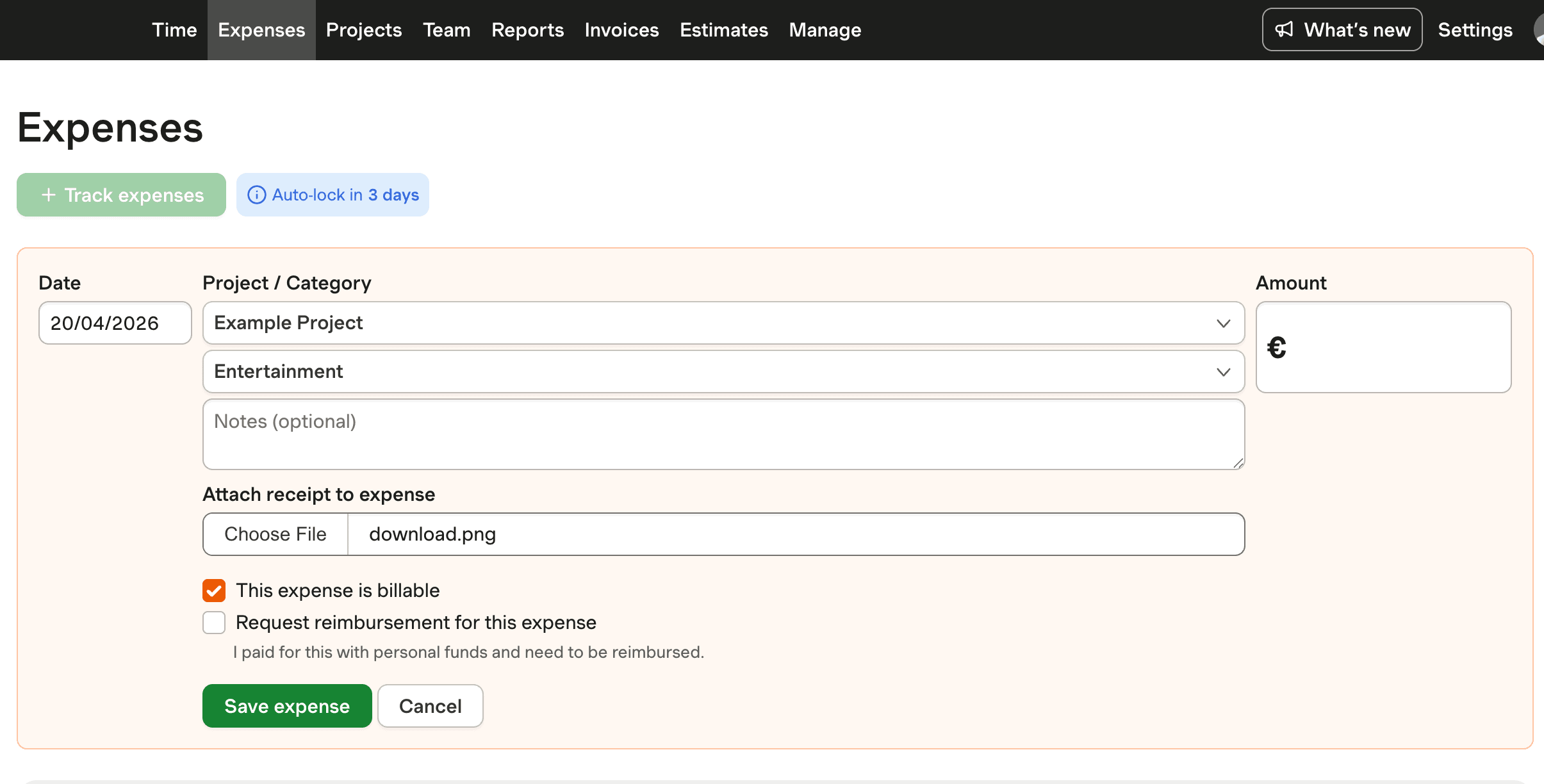
See how Harvest tracks project-based expenses efficiently, offering clear insights into spending for better budget management.

Harvest expense tracking dashboard for department budgets

Expense Tracker for Department Budgets FAQs

  • When selecting an expense tracker for department budgets, look for features like automated expense capturing, integration with financial systems, real-time monitoring, and user-friendly interfaces. Automated systems can cut processing costs by up to 70%, offering significant savings.

  • Automated expense tracking software reduces manual data entry, minimizes errors, and accelerates approval processes. It can save organizations up to $58 per report and improve productivity by allowing employees to focus on core tasks.

  • Automation in expense management is crucial for reducing costs, improving accuracy, and enhancing productivity. It enables real-time monitoring and seamless integration with other business tools, helping to reduce financial waste by up to 20%.

  • Harvest supports project-based expense tracking by allowing users to categorize and track expenses by date, project, and category. This comprehensive approach helps businesses maintain a clear view of project costs and ensures accurate invoicing.

  • Without automation, expense tracking can be costly, with manual processes costing up to $58 per report. It also leads to errors, delays, and lack of visibility, which can waste up to 20% of departmental budgets.

  • While Harvest excels in project-based expense tracking, it does not offer real-time budget visibility for departmental spending. It focuses on providing a clear view of project costs and effective invoicing.

  • Industries like healthcare and government demonstrate how expense tracking software helps integrate revenue modeling with expense planning and provides consolidated views of spending. This leads to improved financial efficiency and strategic decision-making.