
Harvest
Expenses
Sign up

Expense Tracker for Profitability Analysis

Harvest empowers businesses to track and categorize expenses effectively, crucial for comprehensive profitability analysis by distinguishing between billable and non-billable costs.

EXPENSE REPORT DRAFT

Drop your receipts here or click to upload

Images and PDFs (max 10 MB each)

Date
Category
Merchant
Description
Amount
Total
$0.00

Customise report

Appearance

Show report title

Report settings

Understanding Profitability Through Expense Tracking

Businesses seeking to optimize profitability must engage in strategic expense tracking. This involves more than just logging transactions; it’s about gaining insights into financial performance to drive growth. Companies that modernize operations, especially through automation, report up to 40% savings in processing costs. Real-time visibility into expenses is crucial for avoiding budget overruns and making informed financial decisions. However, many organizations still spend 330 hours annually processing expenses manually, a practice ripe for transformation.

Harvest offers a solution for businesses aiming to enhance profitability through meticulous expense tracking. By allowing companies to differentiate between billable and non-billable expenses, Harvest ensures that financial analyses reflect true project costs. This differentiation is essential for assessing profitability accurately, providing a clear picture of financial health.
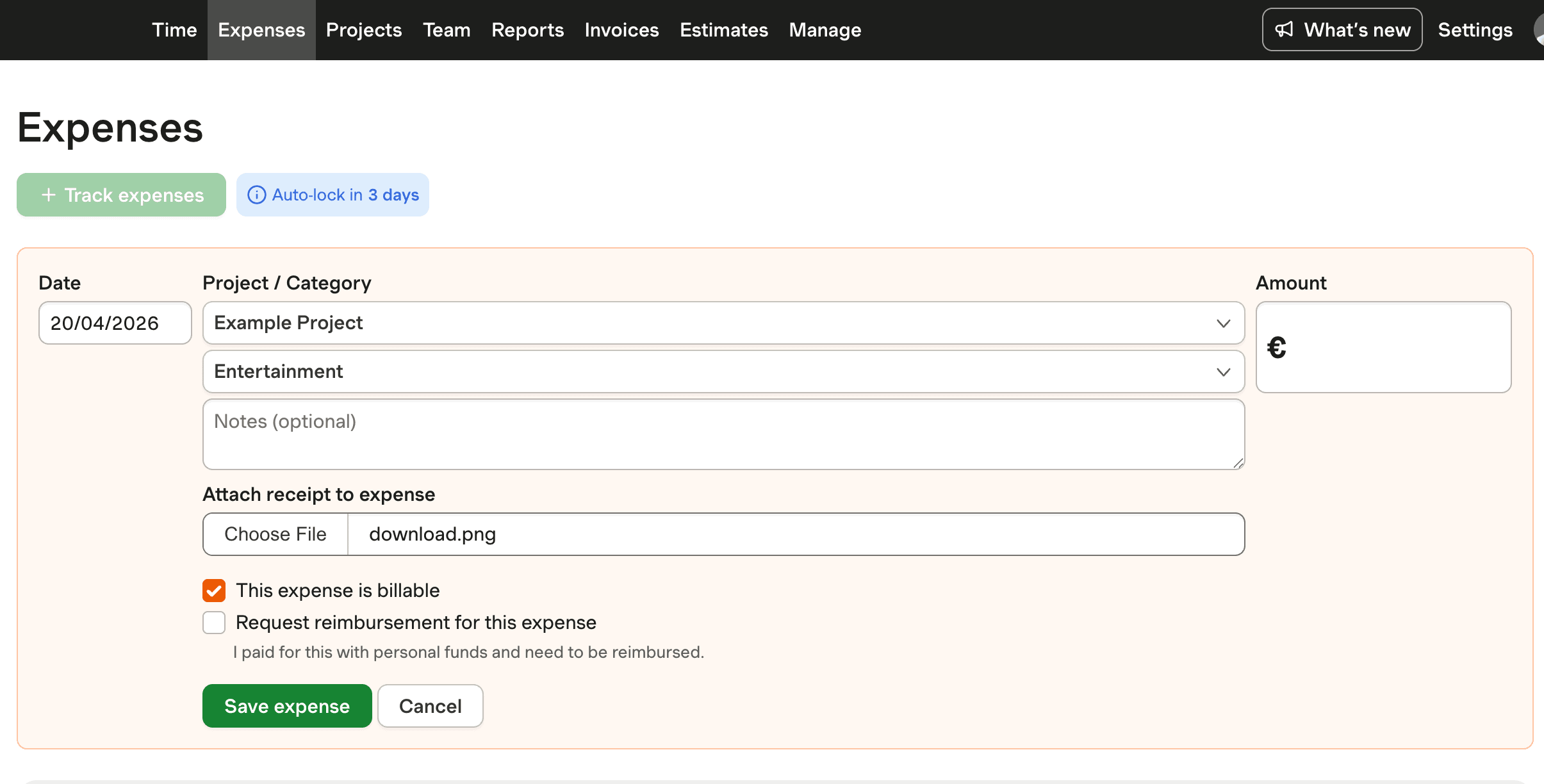
Differentiating Billable and Non-Billable Expenses with Harvest

Understanding the difference between billable and non-billable expenses is vital for accurate profit analysis. Billable expenses are those that can be charged to clients, while non-billable expenses are internal costs that must be absorbed by the company. Misclassifying these can lead to inaccurate financial reporting and missed revenue opportunities.

Harvest simplifies this process by allowing teams to categorize expenses accurately. By tracking both types of expenses, businesses can ensure that client invoices reflect all billable costs, while internal financial reports capture non-billable expenditures. This capability not only aids in billing precision but also supports comprehensive profitability assessments by comparing budgeted versus actual expenses.

Integrating Expense Tracking into Financial Systems

Effective expense tracking is not just about capturing costs but integrating them seamlessly into broader financial systems. This integration is crucial for real-time synchronization of financial data, which enhances cash flow management and forecasting accuracy. However, many businesses struggle with manual data entry and disjointed systems, which can lead to errors and inefficiencies.

While Harvest does not currently offer direct syncing of expense entries with accounting systems, it integrates with QuickBooks Online and Xero for invoice syncing. This integration facilitates more streamlined financial processes, though users will need to manually input expense data for full synchronization. Despite this, Harvest’s robust tracking capabilities ensure that businesses maintain accurate and up-to-date financial records.

Avoiding Common Pitfalls in Expense Tracking

Many businesses face challenges in expense tracking that can impact profitability, such as vague policy language and manual processes prone to errors. For instance, a lack of clear expense policies can lead to unauthorized spending, while duplicate payments and delayed reporting are costly mistakes, with businesses losing $5 million per year on average for every $1 billion processed.

Adopting a structured approach with Harvest can mitigate these issues. By implementing clear policies and leveraging Harvest’s expense categorization, businesses can enhance accuracy and efficiency. Regularly reviewing expenses against budgets and using real-time dashboards for insights helps in maintaining financial control and aligning spending with strategic goals.

Track Expenses with Harvest

See how Harvest tracks and categorizes expenses to aid profitability analysis, distinguishing billable from non-billable costs.

Harvest expense tracking dashboard for profitability analysis

Expense Tracker for Profitability Analysis FAQs

  • Tracking expenses is crucial for understanding the financial impact on profitability. It helps identify cost-saving opportunities and optimize resource allocation. Automated expense management can reduce processing costs by up to 40%, directly enhancing the bottom line.

  • Harvest allows users to categorize expenses as billable or non-billable, ensuring accurate financial reporting. This differentiation helps businesses reflect true project costs and improve billing precision.

  • Common mistakes include unclear expense policies, manual processing, and delayed reporting. These can lead to unauthorized spending and errors. Businesses lose $5 million yearly for every $1 billion processed due to duplicate payments. Clear policies and automated systems like Harvest can mitigate these issues.

  • Real-time visibility allows businesses to make timely financial decisions, avoid budget overruns, and improve financial planning. Without it, companies risk poor decision-making and financial mismanagement.

  • Harvest integrates with QuickBooks Online and Xero for invoice syncing, helping streamline financial processes. However, expense data must be manually inputted to maintain full synchronization with accounting systems.

  • Look for features that allow differentiation between billable and non-billable expenses, integration with accounting systems, and real-time expense tracking. Harvest provides these capabilities to support accurate profitability analysis.

  • Expense tracking helps identify unnecessary spending and optimize resource allocation. Businesses that automate expense management report significant cost savings and productivity gains, freeing capital for strategic investments.