
Harvest
Expenses
Sign up

Software Expense

Harvest is the ideal solution for tracking project-based software expenses, ensuring financial transparency and aiding in strategic cost optimization.

EXPENSE REPORT DRAFT

Drop your receipts here or click to upload

Images and PDFs (max 10 MB each)

Date
Category
Merchant
Description
Amount
Total
$0.00

Customise report

Appearance

Show report title

Report settings

Understanding Software Expense Categories

Software expenses can be categorized into capitalized or expensed costs, a distinction crucial for accurate financial reporting and compliance. Capitalized software costs are those that provide long-term benefits, such as development costs for custom software expected to last beyond a year. In contrast, expensed software includes costs for licenses or subscriptions used up within the fiscal year. Companies must evaluate whether software expenses contribute to long-term asset value or are consumed in the short term.

For instance, many organizations allocate up to 90% of software costs to ongoing maintenance, which typically falls under expenses rather than capitalized costs. Given that global software spending is set to exceed $1.2 trillion by 2025, understanding these distinctions becomes increasingly important for financial planning and tax compliance. Harvest aids in tracking these expenses by project, although it does not differentiate between capitalized and expensed costs.
Tax Implications of Software Expenses

Software expenses have significant tax implications that businesses need to navigate carefully. While some costs may be immediately deductible, others must be capitalized and amortized over time, influencing the financial statements and tax liabilities. However, many small businesses mistakenly overlook the potential for tax deductions related to software expenses, which can lead to penalties.

While Harvest is not designed to handle complex tax scenarios, it can streamline expense tracking and management, providing the data necessary for accurate tax reporting. By applying tax rates to services and expenses on invoices, Harvest ensures that all project-related costs are accounted for, supporting the financial transparency needed for compliance.

Leveraging Expense Management Software

Expense management software is becoming indispensable for businesses aiming to control costs and enhance financial oversight. With global trends indicating a shift towards automation and AI, companies are increasingly adopting these tools to optimize spending. For example, transitioning from manual processes to automated systems can reduce expense processing costs by up to 50%, a significant saving for organizations.

Harvest excels in this area by offering a comprehensive solution for tracking time and expenses at a project level. Although it does not manage bundled software costs or differentiate between capitalized and expensed software, Harvest provides robust project tracking capabilities that ensure accurate and efficient expense management. By using Harvest, businesses can gain real-time insights into their spending patterns, enabling better financial decision-making.

The Role of Software in Strategic Cost Optimization

Strategic cost optimization is a critical focus for businesses looking to sustain growth and competitiveness. Industry analysts recommend a shift from reactive cost-cutting to strategic, growth-oriented optimization, particularly in software spending. For instance, fast-growing companies spend roughly twice as much per employee on software compared to slower-growing counterparts. This investment supports their growth trajectory by enhancing productivity and innovation.

Harvest supports strategic cost management by providing detailed tracking and reporting on project expenses. While it does not directly manage the impact of custom-developed software on accounting practices, Harvest's ability to track project-related expenses and time can play a crucial role in aligning software investments with business objectives, ultimately driving more strategic financial decisions.

Manage Software Expenses with Harvest

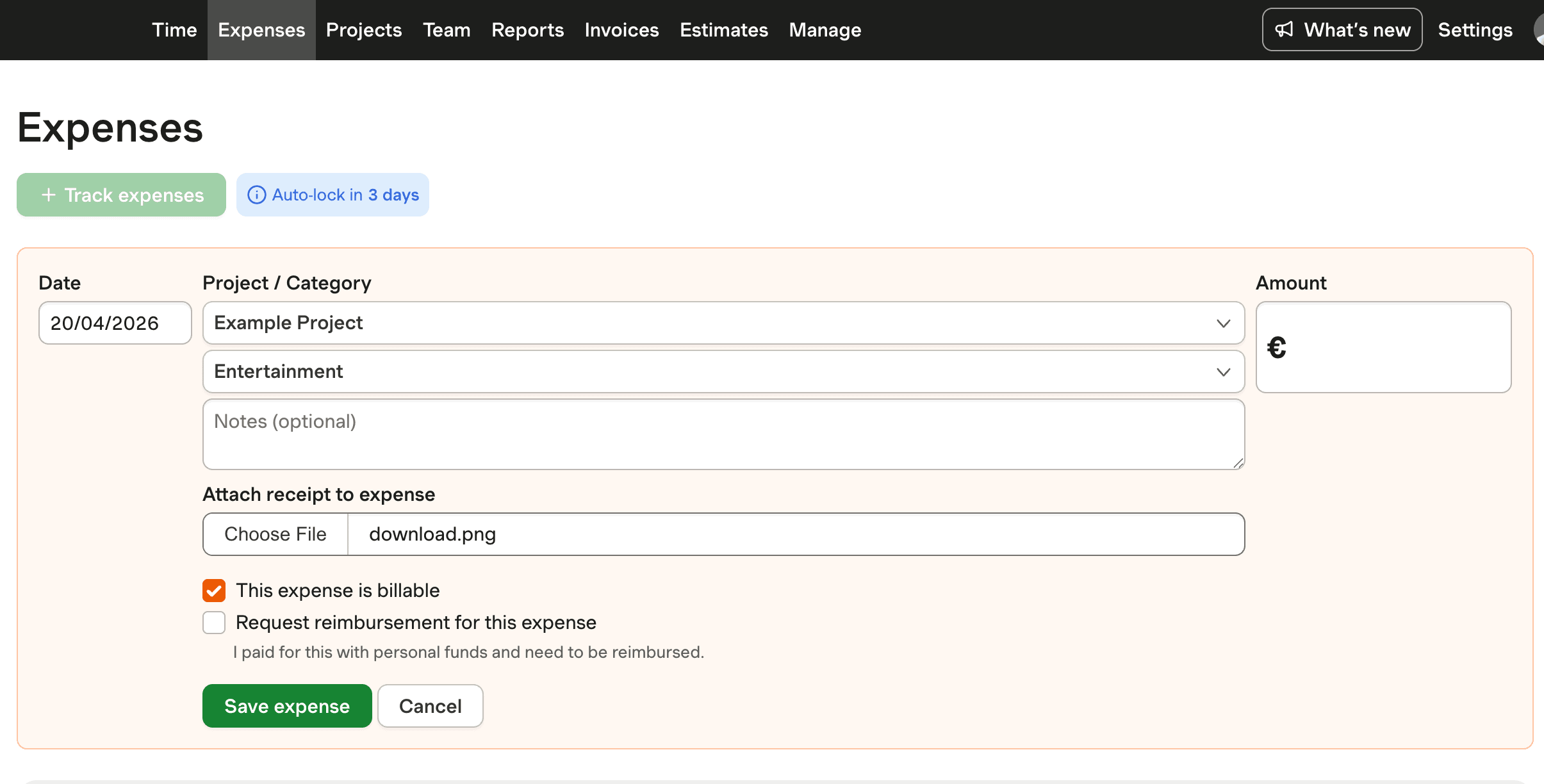
Harvest helps track project-based software expenses, offering insights into financial transparency and cost optimization strategies.

Harvest interface showing software expense tracking features.

Software Expense FAQs

  • Software expenses include costs related to purchasing, developing, and maintaining software. These can be categorized into capitalized costs for long-term assets or expensed costs for short-term consumption. Understanding this distinction is crucial for accurate financial reporting and compliance.

  • Software expenses are categorized based on their impact on financial statements. Capitalized costs, like custom software development, are treated as long-term assets, while expensed costs, such as yearly subscriptions, are treated as short-term expenses. Proper categorization ensures compliance and accurate financial reporting.

  • Software expenses can influence your tax liabilities significantly. Some software costs are immediately deductible, while others must be capitalized and amortized. Businesses must ensure appropriate categorization to maximize deductions and comply with tax regulations.

  • Software subscriptions are typically expensed as operational costs rather than rent. These costs are generally treated as short-term expenses unless the subscription significantly alters business operations, which might then require a different accounting approach.

  • Harvest aids in managing software expenses by providing detailed tracking and reporting capabilities for project-related costs. While it does not handle complex accounting practices, Harvest ensures transparency and efficiency in expense management, supporting better financial decision-making.

  • Expense management software automates the tracking and reporting of business expenses, reducing manual errors and improving efficiency. By integrating with existing financial systems, these tools help streamline processes, enhance compliance, and provide real-time insights into spending patterns.

  • AI can automate routine tasks like receipt processing and expense categorization, providing real-time insights into spending patterns and enhancing fraud detection capabilities. This leads to more efficient expense management and supports strategic financial planning.

  • Common challenges include distinguishing between capitalized and expensed costs, managing ongoing maintenance expenses, and ensuring compliance with tax regulations. Implementing dedicated expense management software can address these challenges by providing accurate tracking and reporting.

  • Harvest integrates seamlessly with existing accounting and ERP systems, facilitating smooth data transfer and enhancing the accuracy of financial reporting. This integration supports efficient financial operations and strategic cost management.