
Expense Approval Software in Japanese

Harvest provides a straightforward expense tracking solution with mobile receipt uploads, ideal for small to medium businesses seeking simplicity, even if not tailored specifically for Japanese standards.

  • Allega ricevute a progetti e attività
  • Trasforma le spese in fatture per i clienti
  • Prova gratuita 30 giorni, senza carta di credito

o trascina e rilascia • Immagini e PDF, max 10 MB

Understanding the Importance of Expense Approval Software in Japan

Expense approval software has become an essential tool for businesses in Japan, with approximately 70% of companies with 50-500 employees having adopted these systems. This surge is driven by the need to reduce business hours and streamline operations, as evidenced by the 17.8 hours saved monthly in accounting departments. The push for digitalization, including compliance with the Electronic Bookkeeping Act, has further accelerated this trend, making digital storage of transaction data a necessity from January 2024.

The introduction of expense approval systems is not just about efficiency; it’s about ensuring compliance with local regulations. For instance, the Invoice System implemented in October 2023 mandates businesses to verify invoice issuer registration numbers. These systems strengthen internal controls by recording every application and approval, reducing potential fraud. Companies transitioning from manual to digital processes report significant time savings and error reductions, making expense approval software a critical component of modern Japanese business infrastructure.
Key Features of Effective Expense Approval Systems

Effective expense approval systems offer features that align with legal requirements and optimize business processes. In Japan, these systems often include AI integrations for automatic expense categorization and receipt data management, a trend that has gained popularity due to its efficiency. Such features help businesses overcome the "2025 Cliff," a term used to describe the impending economic losses due to outdated IT systems.

Moreover, these systems support electronic applications and approvals, addressing common challenges such as the need for managers to approve expenses remotely. This flexibility not only reduces lead times but also aligns with the cultural shift towards mobile-friendly solutions. The ability to integrate with existing systems, like accounting and ERP software, is also crucial. Harvest, while not tailored to Japanese standards, offers simple expense tracking and project-based management, ideal for businesses seeking straightforward solutions.

Challenges and Considerations in Implementing Expense Approval Software

While the benefits of expense approval software are clear, nearly 80% of companies still face challenges post-implementation. This highlights the importance of not only choosing the right system but also ensuring proper setup and workflow optimization. Companies often encounter issues like employee resistance and inadequate integration with existing systems, which can hinder the effectiveness of these solutions.

Experts recommend a step-by-step approach to implementation, starting with identifying challenges, comparing systems, and conducting trial operations. Clear communication and training are essential to overcome resistance and facilitate smooth adoption. Harvest offers mobile receipt uploads and simple tracking, which can be part of a "small start" approach for companies hesitant about large-scale changes.

Practical Tips for Maximizing the Benefits of Expense Approval Software

To fully leverage the benefits of expense approval software, companies should focus on optimizing their internal workflows. Regular feedback from users can help refine processes and system settings. Leveraging automation features such as AI-OCR for receipt reading and automatic journal entry generation can significantly reduce manual efforts.

Integration with other business systems is vital for maximizing efficiency, as is the customization of approval workflows to match company policies. While Harvest offers a simple approval process as part of timesheet management, it can complement these systems by providing basic expense tracking and reporting capabilities.

Expense Approval with Harvest

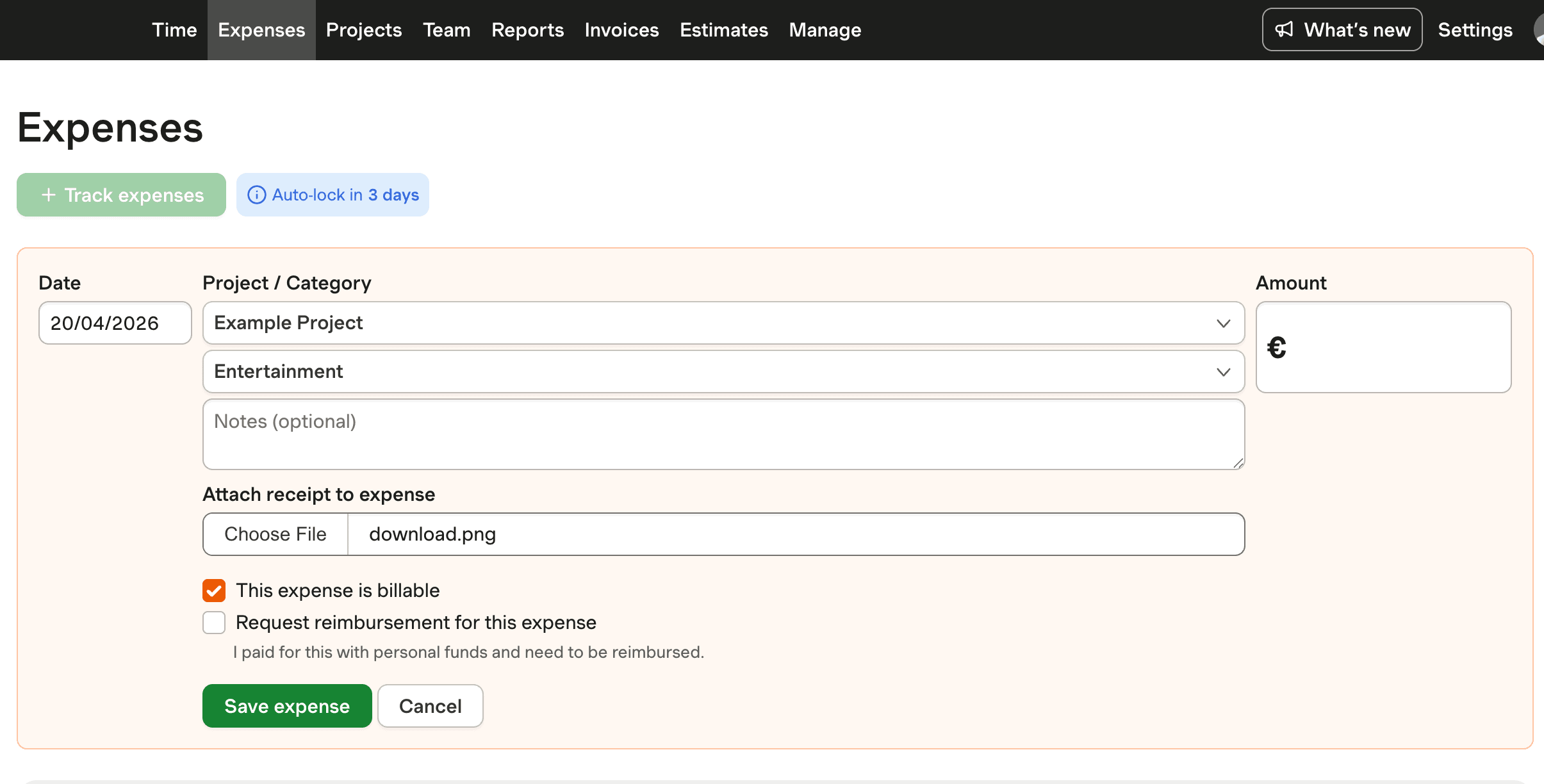
Harvest offers straightforward expense tracking and mobile receipt uploads, ideal for Japanese businesses seeking simplicity.

Harvest dashboard showcasing expense approval features in Japanese context

Expense Approval Software in Japanese FAQs

  • Expense approval software helps Japanese companies reduce business hours and improve compliance with local regulations. On average, companies save 17.8 hours monthly in accounting time, enhancing efficiency and reducing the manual workload.

  • Japanese businesses should look for features like AI integration for automatic categorization, mobile approval capabilities, and compliance with the Electronic Bookkeeping Act. Integration with existing systems is also crucial for seamless operation.

  • Harvest offre un tracciamento delle spese semplice con funzionalità come il caricamento delle ricevute tramite mobile e il monitoraggio basato su progetti, rendendolo ideale per piccole e medie aziende che cercano semplicità senza integrazioni complesse.

  • Le esigenze di conformità includono l'adesione alla Legge sulla Contabilità Elettronica, che richiede la conservazione elettronica dei dati, e il Sistema Fattura, che richiede la verifica dei numeri di registrazione degli emittenti di fatture. Il software dovrebbe supportare queste normative per garantire la conformità legale.

  • L'adozione di questi sistemi è aumentata significativamente, con il 70% delle aziende che ora li utilizza per ridurre le ore lavorative e semplificare i processi. Questo cambiamento è in parte guidato dalla necessità di conformarsi alle nuove leggi sulla conservazione elettronica dei dati.

  • Le aziende spesso affrontano sfide come la resistenza dei dipendenti e l'inadeguata integrazione con i sistemi esistenti. Quasi l'80% delle aziende riporta problemi irrisolti dopo l'implementazione, evidenziando la necessità di una corretta configurazione e ottimizzazione del flusso di lavoro.