
Harvest
Onkosten
Registreer

Expense Report in Filipino

Harvest simplifies expense management by allowing businesses to create custom categories relevant to Filipino practices, addressing the high financial misreporting rate in the region.

ONKOSTENRAPPORT CONCEPT

Sleep je bonnen hierheen of klik om te uploaden

Afbeeldingen en PDFs (max 10 MB per stuk)

Datum
Categorie
Leverancier
Omschrijving
Bedrag
Totaal
$0.00

Rapport aanpassen

Weergave

Rapporttitel tonen

Rapportinstellingen

Understanding Expense Reports in the Filipino Context

Creating an expense report in the Philippines involves navigating specific cultural and regulatory nuances. The process requires attention to detail and awareness of local customs, such as the "face-saving" cultural norm, which contributes to the country's 47% financial misreporting rate, the highest in Southeast Asia. This highlights the importance of accurate and transparent reporting to avoid compliance issues and maintain financial integrity.

Expense reports should include various categories, such as transportation, meals, and lodging, which are common across industries. For instance, in the retail sector, reimbursements often cover transportation costs, while manufacturing employees might claim expenses for safety gear. Businesses must ensure compliance with the Bureau of Internal Revenue (BIR) regulations, which mandate proper substantiation of all claimed expenses with official receipts. This ensures that expenses are both "ordinary" and "necessary" for business operations, crucial for tax deductibility.
Challenges of Manual Expense Management in the Philippines

Manual expense management systems are prevalent among over 60% of small to medium-sized enterprises (SMEs) in the Philippines. This reliance on manual processes can result in errors, inefficiencies, and compliance risks. Furthermore, the slow and cumbersome nature of manual reimbursement processes can lead to delays in employees receiving their due payments, impacting morale and financial stability.

Harvest addresses these challenges by offering a project-based expense tracking system that automates the capture and categorization of expenses. While not specifically tailored to Filipino businesses, Harvest's customizable expense categories allow organizations to adapt the system to include culturally relevant categories, reducing manual errors and improving efficiency. By automating these processes, businesses can ensure timely reimbursements and maintain accurate financial records.

Leveraging Digital Solutions for Expense Management

The Philippines is experiencing a shift towards digital solutions, with a growing adoption of fintech and mobile wallets for everyday transactions. This trend extends to expense management, where there is an increasing demand for real-time reimbursement and one-tap submission capabilities. By 2026, automation, especially through AI-powered Optical Character Recognition (OCR), is expected to handle 90% of expense fields, significantly reducing manual data entry.

Harvest supports this digital transformation by providing a streamlined platform for managing expenses. While it does not integrate with local payment methods, Harvest allows for the creation of custom expense categories and facilitates the categorization and tracking of expenses in real time. This capability helps businesses align with the digital trend, ensuring that they remain competitive and efficient in their financial management practices.

Ensuring Compliance with Philippine Regulations

Compliance with local regulations is a critical aspect of managing expenses in the Philippines. Businesses must adhere to the Tax Code, Accounting Standards, and the Anti-Money Laundering Act. According to the BIR, expenses must be substantiated with sufficient evidence, such as official receipts, to qualify as tax-deductible. Furthermore, the Labor Code prohibits unauthorized deductions from employee wages, emphasizing the need for transparent and fair reimbursement processes.

Harvest aids compliance by allowing users to decide which line items taxes apply to on invoices, although it does not provide direct guidance on local tax laws. This flexibility enables businesses to align their expense reporting with regulatory requirements, minimizing the risk of penalties and ensuring a smooth audit process. By maintaining accurate records and categorizing expenses appropriately, businesses can safeguard against compliance issues.

Expense Report in Filipino with Harvest

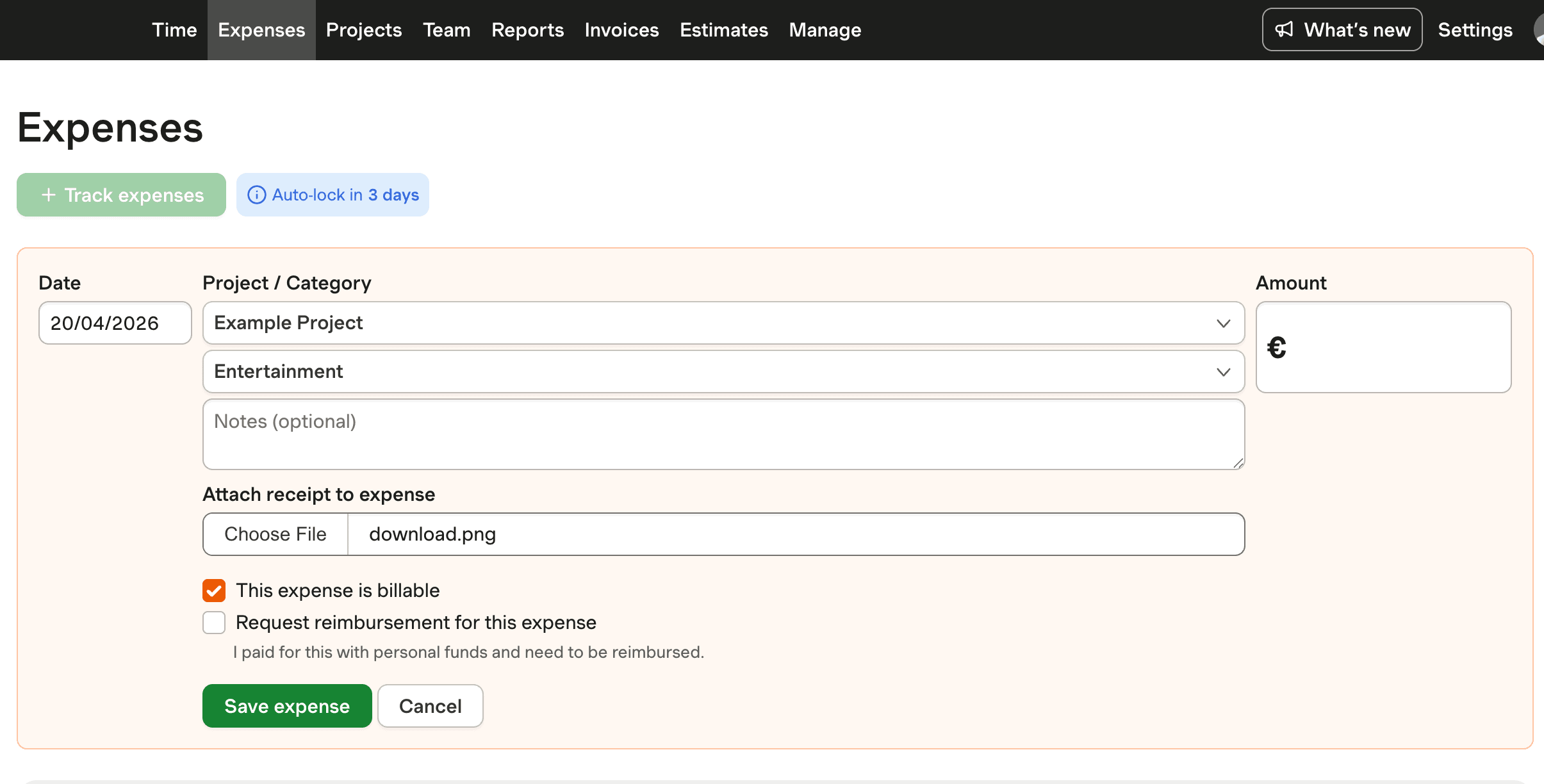
Harvest allows customization of expense categories, supporting Filipino cultural and business practices in expense management.

Harvest interface showing expense report customization

Expense Report in Filipino FAQs

  • Om een onkostenrapport in de Filipijnen te maken, begin je met het verzamelen van alle relevante bonnen en facturen. Categoriseer vervolgens deze onkosten volgens de zakelijke behoeften. Vul ten slotte een sjabloon voor onkostenrapportage in met details zoals de datum, categorie, bedrag en zakelijke doel.

  • Ja, onkostenrapportage in de Filipijnen moet voldoen aan de belastingwet, boekhoudnormen en andere regelgeving. De Bureau of Internal Revenue (BIR) vereist dat alle onkosten worden onderbouwd met officiële bonnen en "gewoon" en "noodzakelijk" zijn voor de onderneming.

  • Hoewel specifieke tools die zijn afgestemd op Filipijnse bedrijven beperkt zijn, biedt Harvest aanpasbare onkostencategorieën die kunnen worden aangepast aan lokale praktijken. Dit stelt bedrijven in staat om onkosten effectief te beheren terwijl ze voldoen aan culturele en regelgevende behoeften.

  • Culturele normen zoals "face-saving" kunnen bijdragen aan financiële misreportage. Het is belangrijk voor bedrijven om transparante processen op te zetten en ervoor te zorgen dat werknemers zich comfortabel voelen om onkosten nauwkeurig te rapporteren om nalevingsrisico's te vermijden.

  • Veelvoorkomende categorieën in Filipijnse onkostenrapporten zijn vervoer, maaltijden, accommodatie en branchespecifieke onkosten zoals veiligheidsuitrusting in de productie. Harvest maakt aanpassing van deze categorieën mogelijk, wat zorgt voor relevantie en naleving.

  • Harvest biedt een projectgebaseerd registratiesysteem met aanpasbare onkostencategorieën. Hoewel het niet specifiek is afgestemd op Filipijnse regelgeving, ondersteunt het efficiënte beheer door aanpassing aan lokale zakelijke praktijken mogelijk te maken.

  • Tijdige terugbetaling is cruciaal in de Filipijnen om financiële druk op werknemers te voorkomen. Vertragingen kunnen leiden tot ontevredenheid en inefficiënties, daarom kan het stroomlijnen van het terugbetalingsproces met tools zoals Harvest voordelig zijn.