
Harvest
Time Tracking
Sign up free

Time Tracking Policy for Employees

Many businesses lose up to 7% of gross payroll due to time-tracking errors. Harvest simplifies this with intuitive time tracking and invoicing for teams, ensuring accuracy and compliance.

Try Harvest Free

How much revenue is your team leaving on the table?

Most agencies run at 55-60% utilization. Even a small improvement means significant revenue. See what closing the gap looks like for your team.

Number of people who track billable time
$
Blended rate across roles (junior, senior, lead)
55%
Percentage of total hours that are billable. Industry average is 55-60%.
75%
A realistic target for service businesses is 70-80%.
Monthly revenue gap $0
Revenue at current utilization $0/mo
Revenue at target utilization $0/mo
Extra billable hours needed per person/day 0h
Annual revenue opportunity $0

Start tracking team utilization

Walk through the entire flow below. Start a timer, check your reports, and create a real invoice — all in three clicks.

Go ahead — start tracking!

One click and you're timing. Try it right here: start a timer, add an entry, edit the details. This is exactly how it feels in Harvest.

  • One-click timer from browser, desktop & mobile
  • Works inside Jira, Asana, Trello, GitHub & 50+ tools
  • Duration or start/end — your call
  • Day, week & calendar views to stay on top of it all
  • Friendly reminders so no hour gets left behind
Acme Corp
Website Redesign
Homepage layout revisions
1:24:09
Content Strategy
Blog calendar planning
1:30:00
SEO Audit
Technical audit report
0:45:00
Brand Guidelines
Color system documentation
2:15:00
Logo Concepts
Initial sketches round 1
1:00:00

The Legal Imperative: Understanding Time Tracking Regulations

Creating a time tracking policy for employees is crucial for compliance and efficiency. The Fair Labor Standards Act (FLSA) requires employers to maintain accurate records of non-exempt employees' working hours, including details such as daily and weekly hours, pay rates, and overtime earnings. Employers must retain payroll records for at least three years and wage computation records for two years. Non-compliance can result in fines, back wages, and penalties, with businesses potentially losing up to 7% of gross payroll due to time-tracking issues.

State laws, such as those in California and New York, may impose stricter regulations, particularly concerning overtime and meal breaks. Internationally, the EU's Working Time Directive mandates time tracking for compliance, highlighting the global importance of maintaining accurate work hour records. Ensuring your policy aligns with these regulations is essential to avoid legal and financial repercussions.
Building Your Policy: Best Practices for Accuracy and Clarity

A clear and comprehensive time tracking policy is essential for maintaining accuracy and compliance. Begin by defining "hours worked" to include all job-related activities, such as breaks, training, and travel during work hours. Select appropriate timekeeping methods, leveraging digital software or biometric systems to automate and reduce errors. Consistency in clocking in/out procedures and correcting entries is vital to prevent discrepancies.

Communicate the policy clearly through multiple channels, such as employee handbooks and meetings, ensuring all staff understand the expectations. Regular monitoring and audits help maintain ongoing compliance, while training employees on time tracking procedures fosters transparency and trust. These best practices enhance both legal compliance and operational efficiency, safeguarding your business from potential issues.

Differentiating Time Tracking: Hourly, Salaried, and Remote Employees

Time tracking procedures must account for different employee categories to ensure compliance and efficiency. Non-exempt hourly employees require detailed time tracking to meet minimum wage and overtime regulations. For non-exempt salaried employees, time tracking is similarly necessary to ensure overtime compliance. While exempt salaried employees are not legally required to track time, doing so can aid in project management and workload balance.

Remote and hybrid workforces pose unique challenges, necessitating policies that accommodate flexible work locations. Implementing tools like mobile apps and GPS tracking can ensure accurate time records across diverse environments. By tailoring your time tracking policy to these distinctions, you can better manage your workforce and uphold compliance with applicable laws.

Avoiding Pitfalls: Common Mistakes and Their Impact

Inaccurate time tracking can lead to payroll errors, wage disputes, and decreased employee trust. "Off-the-clock" work and misclassifying employees are common issues that can cause significant legal and financial consequences. A well-documented time tracking policy helps prevent these pitfalls by ensuring clear communication and accountability.

Failure to implement a robust time tracking system can result in invisible employee overload and erode boundaries between work and personal life. Document all time record adjustments and notify employees to maintain transparency. Measures such as timesheet approvals can prevent fraud and ensure data integrity, aligning with best practices to safeguard your business from common time tracking challenges.

Crafting a Compliant and Effective Employee Time Tracking Policy

An effective employee time tracking policy is a cornerstone of legal compliance and operational efficiency. The FLSA mandates thorough record-keeping for non-exempt employees, including hours worked and pay details. To ensure compliance, policies must be clear and well-communicated across the organization, supported by appropriate timekeeping tools.

Differentiate time tracking procedures for hourly, salaried, and remote employees to address their unique needs. Regular audits and clear communication of the policy help mitigate risks associated with inaccuracies and non-compliance. By following these guidelines, you can establish a robust time tracking system that protects your business and enhances productivity.

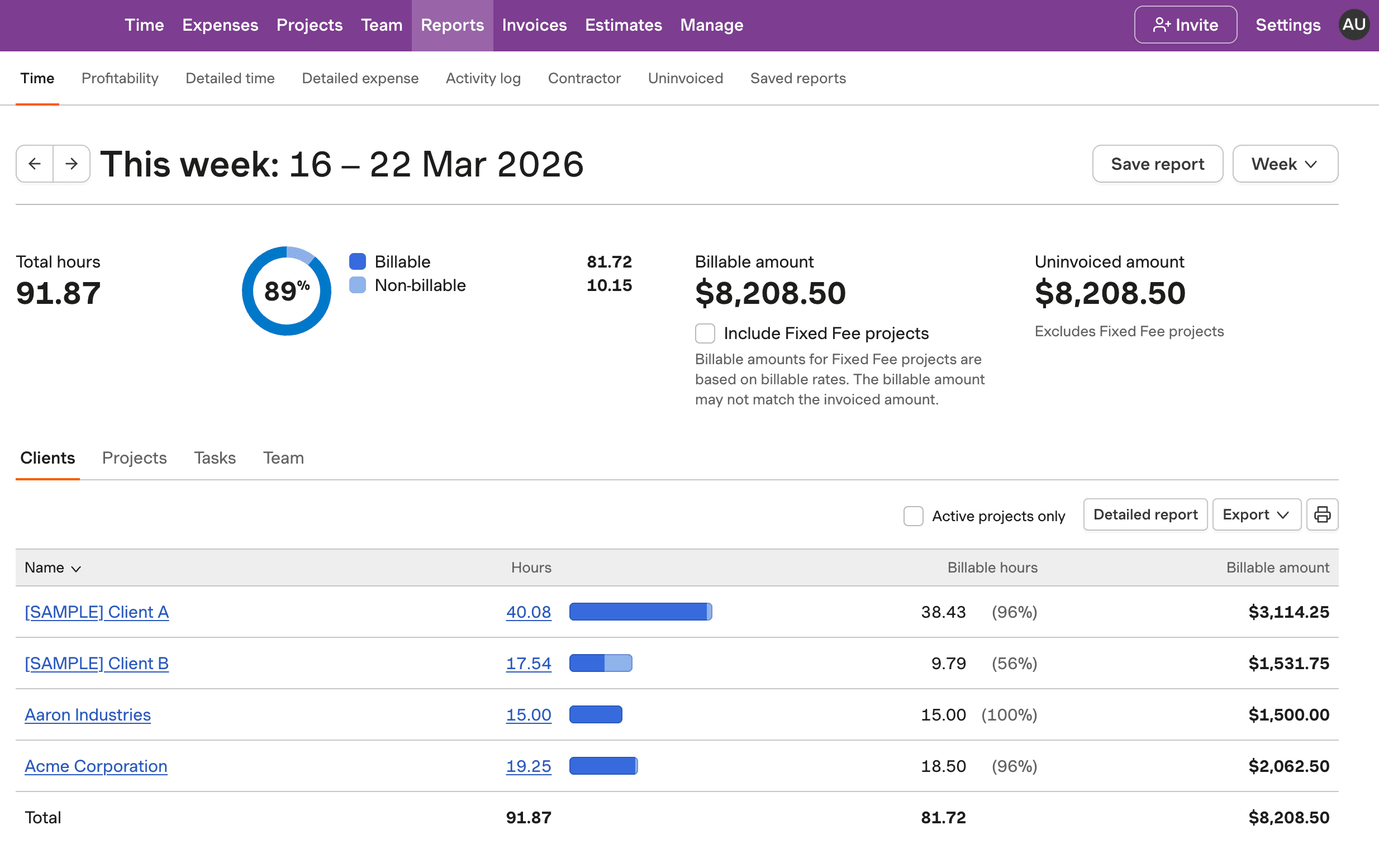
Harvest for Employee Time Tracking

Explore how Harvest's time tracking features help manage employee hours and ensure compliance with labor laws.

Time tracking interface on Harvest platform for employee management.

Time Tracking Policy for Employees FAQs

  • The Fair Labor Standards Act (FLSA) requires employers to keep accurate time and pay records for all non-exempt employees. This includes daily and weekly hours, pay rates, and overtime earnings. Records must be retained for specific periods to ensure compliance and avoid legal penalties.

  • To create a compliant time tracking policy, define "hours worked," choose appropriate tracking tools, and ensure clear communication of procedures. Regular audits and employee training are crucial for maintaining accuracy and compliance with laws like the FLSA.

  • Best practices include defining working hours, using automated tracking tools, and regularly auditing records. Clear communication of procedures is vital, along with training employees on the importance of accurate time tracking.

  • Hourly employees require detailed tracking for compliance with minimum wage and overtime laws. For salaried employees, while not legally required, tracking can aid in project management. Tailor your policy to each group’s specific needs for optimal results.

  • Without a clear time tracking policy, businesses risk payroll inaccuracies, legal penalties, and decreased employee trust. It's crucial to establish a policy to prevent off-the-clock work and ensure compliance with labor laws.

  • Harvest offers intuitive tools for tracking billable and non-billable hours, ensuring timesheet accuracy through approvals. While it doesn't handle legal compliance directly, its features support efficient time management and invoicing.

  • Yes, Harvest's mobile access and integrations allow for effective time tracking of remote teams, ensuring accurate records regardless of location. This supports businesses in maintaining compliance and managing remote workforces effectively.