
Harvest
Time Tracking
Sign up free

Timesheet App in Russia

In Russia, maintaining accurate employee time records is legally required. Harvest offers a timesheet app that ensures compliance with Russian labor laws.

Try Harvest Free

How many hours did you work this week?

Enter your clock-in and clock-out times for each day. The calculator handles breaks, overtime, and weekly totals automatically.

Day Clock In Clock Out Break Hours
Total hours this week 0h
Regular hours (≤40) 0h
Overtime hours 0h
Average hours/day 0h
Total break time 0h

Track time automatically with Harvest

Walk through the entire flow below. Start a timer, check your reports, and create a real invoice — all in three clicks.

Go ahead — start tracking!

One click and you're timing. Try it right here: start a timer, add an entry, edit the details. This is exactly how it feels in Harvest.

  • One-click timer from browser, desktop & mobile
  • Works inside Jira, Asana, Trello, GitHub & 50+ tools
  • Duration or start/end — your call
  • Day, week & calendar views to stay on top of it all
  • Friendly reminders so no hour gets left behind
Acme Corp
Website Redesign
Homepage layout revisions
1:24:09
Content Strategy
Blog calendar planning
1:30:00
SEO Audit
Technical audit report
0:45:00
Brand Guidelines
Color system documentation
2:15:00
Logo Concepts
Initial sketches round 1
1:00:00

Navigating Russian Labor Laws with Timesheet Apps

Employers in Russia are mandated by law to maintain precise records of employee working hours, making compliance with the Labor Code of the Russian Federation essential for any business. The standard working week is capped at 40 hours, with specific provisions for overtime, which is limited to 120 hours annually and requires employee consent. Overtime pay rates are set at 1.5 times the regular pay for the initial two hours, escalating to double time thereafter. Night shifts, spanning from 10:00 PM to 6:00 AM, command a premium of at least 20% above standard pay.

Compliance extends to specific categories such as minors and disabled employees, who are entitled to reduced working hours. For instance, employees under 16 years may work up to 24 hours a week, while those aged 16-18 can work up to 35 hours. Employers must also ensure uninterrupted rest periods of at least 42 hours weekly. These regulations underscore the need for timesheet apps in Russia that can accurately capture and report on these diverse requirements, ensuring adherence to the Labor Code.
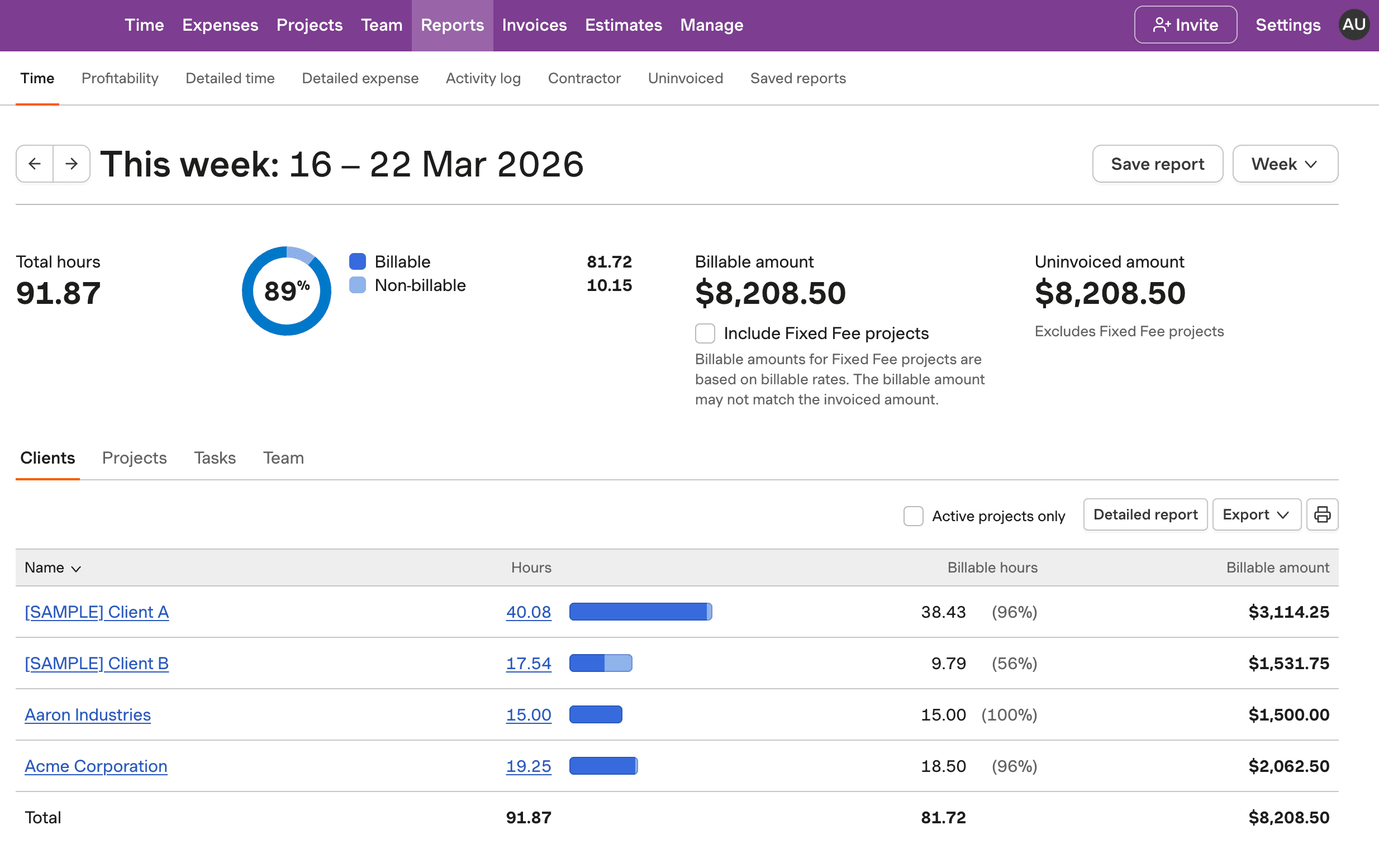
Essential Features of a Russian Timesheet App

To effectively serve the Russian market, timesheet applications must offer robust features that accommodate the country's unique labor landscape. With Russia spanning 11 time zones, multi-time zone support is critical for businesses with a geographically dispersed workforce. Automatic time capture methods, such as GPS-based tracking and digital clock-in/out, are crucial for ensuring accuracy and reducing manual entry errors, which can otherwise lead to compliance issues.

Integration capabilities with local payroll systems and project management tools like Asana, Trello, and Jira are vital for seamless operations and comprehensive cost tracking. Moreover, the ability to generate detailed reports is essential for audit readiness and strategic workforce management. These features ensure that timesheet apps not only comply with Russian labor laws but also enhance operational efficiency.

Best Practices for Implementing Timesheet Technology in Russia

Implementing a timesheet system in Russia requires strategic planning and clear communication. Begin by defining specific business objectives, such as improving payroll accuracy or enhancing project costing. Engage employees early in the process, explaining the benefits of timesheet technology and addressing any privacy concerns to foster trust and acceptance.

A phased rollout, starting with a pilot program, allows businesses to test functionality and gather feedback before full implementation. Comprehensive training is essential to ensure all users understand how to utilize the system effectively. By leveraging electronic document management (EDM) features, companies can streamline processes and maintain compliance with data protection standards. Regular audits of time-tracking data will help ensure ongoing compliance with Russian labor laws and identify any areas for improvement.

Discover Harvest's Timesheet App

See how Harvest's timesheet app supports Russian labor compliance with features like multi-time zone tracking and project integration.

Screenshot of Harvest timesheet app tailored for Russian market.

Timesheet App in Russia FAQs

  • Timesheet apps comply with Russian labor laws by ensuring accurate record-keeping of working hours, overtime, and rest periods as required by the Labor Code of the Russian Federation. Features such as automated time capture and compliance-focused reporting help businesses maintain adherence to these regulations.

  • Look for features like multi-time zone support, automated time capture, integration with payroll systems, and comprehensive reporting capabilities. These ensure compliance with local labor laws and enhance overall operational efficiency.

  • Yes, many timesheet apps are equipped to handle complex overtime calculations, adhering to Russian regulations. For example, Harvest can manage 1.5x pay for the first two overtime hours and 2x for additional hours, ensuring compliance with local laws.

  • Harvest integrates seamlessly with project management tools like Asana, Trello, and Jira. This integration facilitates comprehensive cost tracking and analysis, ensuring that project timelines and budgets are managed efficiently.

  • Yes, there are timesheet apps designed to accommodate multiple time zones. These apps ensure accurate time tracking and payroll calculations for businesses with a geographically dispersed workforce across Russia’s 11 time zones.

  • Automated timesheet apps offer increased efficiency, accuracy, and compliance. Features like real-time notifications and electronic document management help streamline operations, reduce errors, and ensure readiness for audits.

  • Privacy considerations include transparency about data collection, ensuring data security, and aligning with Russian data protection standards. Communicating clearly with employees about how their data is used helps build trust and acceptance.