
Harvest
Time Tracking
Sign up free

Break Calculator in Thailand

Harvest is a versatile time tracking tool that, while not specific to Thai labor laws, helps teams and freelancers monitor work hours and breaks seamlessly.

Try Harvest Free

How many hours did you work this week?

Enter your clock-in and clock-out times for each day. The calculator handles breaks, overtime, and weekly totals automatically.

Day Clock In Clock Out Break Hours
Total hours this week 0h
Regular hours (≤40) 0h
Overtime hours 0h
Average hours/day 0h
Total break time 0h

Track time automatically with Harvest

Walk through the entire flow below. Start a timer, check your reports, and create a real invoice — all in three clicks.

Go ahead — start tracking!

One click and you're timing. Try it right here: start a timer, add an entry, edit the details. This is exactly how it feels in Harvest.

  • One-click timer from browser, desktop & mobile
  • Works inside Jira, Asana, Trello, GitHub & 50+ tools
  • Duration or start/end — your call
  • Day, week & calendar views to stay on top of it all
  • Friendly reminders so no hour gets left behind
Acme Corp
Website Redesign
Homepage layout revisions
1:24:09
Content Strategy
Blog calendar planning
1:30:00
SEO Audit
Technical audit report
0:45:00
Brand Guidelines
Color system documentation
2:15:00
Logo Concepts
Initial sketches round 1
1:00:00

Understanding Thailand's Labour Protection Act (LPA) and Break Entitlements

In Thailand, work breaks and hours are governed by the Labour Protection Act (LPA) B.E. 2541 (1998), which sets clear guidelines for employee rest periods and working hours. Employees must receive at least a one-hour rest period after five consecutive hours of work. This break can be divided into shorter intervals, but the total break time must be at least one hour. Failure to provide this can lead to fines up to 20,000 THB. Furthermore, employees are entitled to at least one weekly rest day, with no more than six consecutive working days. Employers must also observe at least 13 paid public holidays per year, including National Labour Day.

Standard working hours for most employees are capped at 8 hours per day and 48 hours per week, although many companies practice a 40-hour work week. For hazardous work, stricter limits of 7 hours per day and 42 hours per week apply. Understanding these entitlements is crucial for both employees and employers to ensure compliance and avoid penalties.
Specific Break Regulations and Overtime Considerations

Break regulations in Thailand also extend to overtime work. If employees are required to work overtime for two hours or more, they must receive a 20-minute rest period before continuing. Overtime generally requires employee consent, except in emergencies or for continuous operations. The compensation for overtime varies: 1.5 times the regular hourly wage for weekday overtime, 2 times for work on rest days during standard hours, and 3 times for work beyond standard hours on rest days or public holidays.

Special considerations exist for hazardous occupations, where the maximum working hours are reduced to ensure safety. Furthermore, vulnerable groups such as pregnant women and minors are afforded additional protections, such as restricted working hours and specific break entitlements to safeguard their health and well-being.

Employer Responsibilities and Best Practices for Compliance

Employers in Thailand must adhere to the Labour Protection Act by implementing clear internal policies and maintaining accurate records of work hours and breaks. It's essential to develop comprehensive employee handbooks that outline standard working hours, rest periods, and mandatory breaks, ensuring these policies are communicated clearly to all employees.

Regularly reviewing and updating these policies helps ensure ongoing compliance with legal standards. Employers should also prepare an annual calendar of public holidays and verify that all employees receive the mandated rest periods. Non-compliance can result in severe penalties, including fines or legal action, so proactive measures are crucial to uphold employee rights and avoid disputes.

Industry-Specific Nuances and Future Outlook

Different industries in Thailand may have unique break and working hour rules. Sectors such as hospitality, transport, and agriculture can have flexible schedules due to the nature of continuous operations, provided they stay within the maximum weekly limits. Employers must ensure these variations comply with the Labour Protection Act and that employees receive appropriate rest.

Legislative proposals foresee changes such as reducing standard working hours to 40 per week and 35 for hazardous jobs, as well as increasing weekly rest days. Staying informed about these potential changes is essential for employers to remain compliant and competitive in Thailand's evolving labor landscape.

Break Calculator in Thailand with Harvest

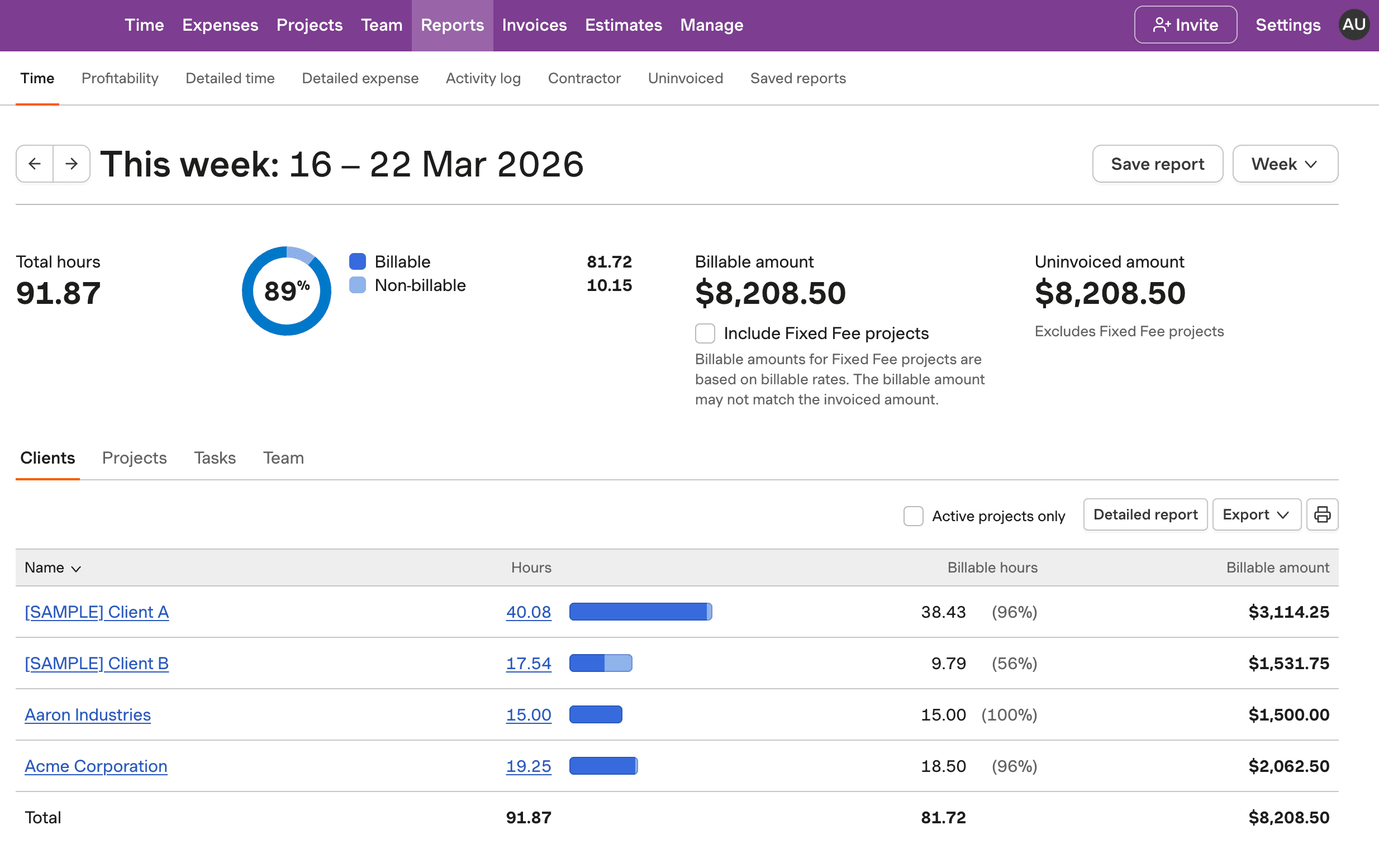
Explore how Harvest can help calculate work breaks and ensure compliance with Thailand's labor laws.

Harvest dashboard showing break calculation features for Thailand.

Break Calculator in Thailand FAQs

  • In Thailand, employees must receive at least a one-hour rest period after working five consecutive hours. This break can be split into shorter periods, but the total must be at least one hour per day.

  • Breaks in Thailand are generally unpaid and not counted as working time. However, if the total rest period exceeds two hours, the additional time may be counted as working time to avoid placing employees on standby.

  • Thai law mandates a minimum of 13 paid public holidays each year, including National Labour Day on May 1st. These holidays are part of the entitlements employees receive under the Labour Protection Act.

  • If overtime extends for two hours or more, employees are entitled to a 20-minute rest period before continuing. This ensures employees have necessary rest during extended work hours.

  • Overtime pay in Thailand is 1.5 times the hourly wage for weekdays, 2 times for rest day work during standard hours, and 3 times for work beyond standard hours on rest days or public holidays.

  • Failure to provide mandatory rest periods can lead to fines up to 20,000 THB. Employers may also face claims for compensation, making compliance with break regulations essential.

  • Yes, hazardous jobs have stricter working hour limits: no more than 7 hours per day and 42 hours per week. These rules help protect the safety and health of employees in dangerous work environments.