
Harvest
Time Tracking
Sign up free

Break Calculator in Ukraine

Harvest is a flexible tool that adapts to varying work schedules, helping businesses comply with Ukraine's labor laws on breaks and work hours.

Try Harvest Free

How many hours did you work this week?

Enter your clock-in and clock-out times for each day. The calculator handles breaks, overtime, and weekly totals automatically.

Day Clock In Clock Out Break Hours
Total hours this week 0h
Regular hours (≤40) 0h
Overtime hours 0h
Average hours/day 0h
Total break time 0h

Track time automatically with Harvest

Walk through the entire flow below. Start a timer, check your reports, and create a real invoice — all in three clicks.

Go ahead — start tracking!

One click and you're timing. Try it right here: start a timer, add an entry, edit the details. This is exactly how it feels in Harvest.

  • One-click timer from browser, desktop & mobile
  • Works inside Jira, Asana, Trello, GitHub & 50+ tools
  • Duration or start/end — your call
  • Day, week & calendar views to stay on top of it all
  • Friendly reminders so no hour gets left behind
Acme Corp
Website Redesign
Homepage layout revisions
1:24:09
Content Strategy
Blog calendar planning
1:30:00
SEO Audit
Technical audit report
0:45:00
Brand Guidelines
Color system documentation
2:15:00
Logo Concepts
Initial sketches round 1
1:00:00

Understanding Standard Working Hours in Ukraine

In Ukraine, the standard working schedule is governed by the Labor Code, which sets a statutory maximum of 40 hours per week. Typically, this is structured as an eight-hour day over a five-day workweek. However, there are exceptions for certain employee categories, such as minors and those with potentially hazardous job conditions. For example, minors aged 16-18 are limited to 36 hours per week, while those in harmful environments may also have reduced hours, capped at 36 hours weekly. These provisions ensure that vulnerable groups are not overburdened, emphasizing the importance of adapting work schedules to meet legal and health standards.

Flexible working arrangements, although not the norm, are gaining traction. These can include core working hours combined with flexible hours, allowing employees to manage their time better around personal commitments. Such arrangements are often detailed within company policies and must still adhere to the overarching legal framework.
Mandatory Breaks and Rest Periods: Your Rights and Employer Obligations

Employees in Ukraine are entitled to breaks for rest and meals, which are crucial for maintaining productivity and health. These breaks are unpaid and must not exceed two hours, commonly positioned after four hours of work. While not counted as working time, these breaks are essential, ensuring employees have adequate rest during their workday. For shift workers, a rest period must be at least double the length of their previous shift, with a minimum of 12 hours between shifts.

The Labor Code mandates a weekly rest period of at least 42 hours, typically covering Saturday and Sunday in a five-day workweek. However, during martial law, this period can be reduced to 24 hours to accommodate the needs of critical sectors. Employers must integrate these legal requirements into their internal labor rules, ensuring compliance and safeguarding employee welfare.

Overtime, Night, and Weekend Work: Compensation and Limitations

Overtime work in Ukraine is highly regulated and generally discouraged, permitted only under specific circumstances. Employees cannot exceed four hours of overtime across two consecutive days, nor more than 120 hours annually, except during martial law. Overtime must be compensated at double the hourly rate, reinforcing the principle of fair compensation for additional work effort.

Night work, defined as work between 10 p.m. and 6 a.m., requires at least a 20% premium over the standard hourly rate. Similarly, work on weekends and public holidays is typically prohibited unless absolutely necessary, in which case it must also be compensated at double the rate. These regulations protect employees from excessive work demands, ensuring their right to adequate rest and financial fairness.

The Impact of Martial Law on Ukrainian Labor Regulations

The ongoing martial law in Ukraine has introduced significant changes to labor regulations, particularly for critical infrastructure sectors. These changes allow for an increased workweek of up to 60 hours, reflecting the heightened demands on sectors like defense and public utilities. Additionally, the continuous weekly rest period requirement has been reduced from 42 hours to 24 hours to ensure operational efficiency during these challenging times.

Public holidays have been suspended, and employment agreements can be altered on short notice without the usual two-month notification period. Despite these adjustments, the overarching aim remains to balance operational needs with employee rights, ensuring that changes are implemented fairly and transparently.

Ensuring Compliance: Best Practices for Employers and Employees

Compliance with labor laws in Ukraine requires a clear understanding of both national regulations and company-specific policies. Employers should document and communicate all working hour and break policies through internal labor rules and employment agreements. Accurate record-keeping of working hours and breaks is essential, both for compliance and for protecting employee rights.

Particular attention should be paid to vulnerable groups, such as minors and those in hazardous jobs, to ensure their working conditions comply with legal standards. Employers are encouraged to seek legal counsel when adapting to complex situations or legislative changes, especially during periods of martial law, to maintain compliance and support employee welfare.

Break Calculator in Ukraine with Harvest

See how Harvest manages break and rest period regulations, adapting to Ukraine's labor laws.

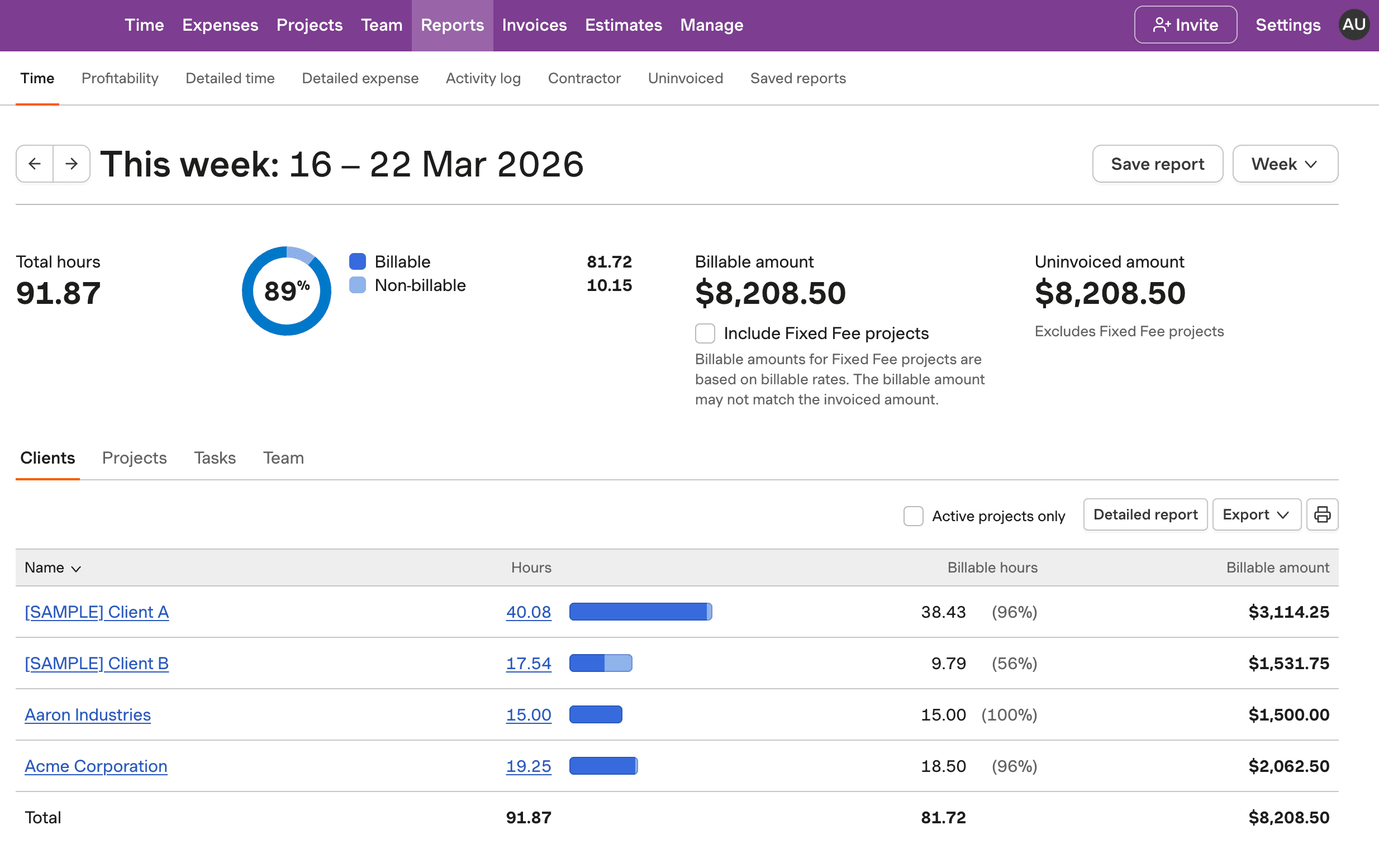
Harvest interface showing break calculations in Ukraine

Break Calculator in Ukraine FAQs

  • In Ukraine, employees must receive an unpaid break for meals and rest, typically after four hours of work, lasting no more than two hours. Employers must ensure these breaks are integrated into the work schedule while not counting them as part of working time.

  • Employees are entitled to an unpaid rest break that must not exceed two hours and is usually provided after four hours of continuous work. This break is crucial for maintaining productivity and is not counted as working time.

  • Yes, during martial law, the continuous weekly rest period can be reduced from 42 hours to 24 hours. This adjustment is primarily for employees in critical infrastructure sectors to meet increased operational demands.

  • Non-compliance with Ukraine's labor laws can lead to penalties for employers, including fines and legal action. It's essential to adhere to regulations regarding working hours and breaks to avoid these consequences.

  • Under martial law, working hours for employees in critical infrastructure sectors can increase to 60 hours per week. This adaptation helps meet the heightened demands on essential services.

  • Employers and employees can agree on different break schedules through internal labor rules, provided they do not contradict the statutory requirements set by the Labor Code of Ukraine.

  • During martial law, overtime limitations are relaxed, but compensation remains at double the hourly rate. This ensures fair pay for additional work during critical times.