
Harvest
Time Tracking
Sign up free

Markup Calculator in Germany

Harvest empowers German businesses with currency flexibility, ensuring accurate financial management while navigating local VAT and pricing regulations.

Try Harvest Free

What should you charge per hour?

Most freelancers and consultants dramatically undercharge. This calculator accounts for what most people miss: non-billable time, taxes, and overhead.

$
Accounting for vacation, holidays, sick days
60%
Most freelancers can bill 50-70% of their time. The rest goes to admin, marketing, proposals, and learning.
$
Software, insurance, equipment, accounting, taxes beyond income tax, etc.
Your break-even rate $0
Recommended rate (+20% buffer) $0
Billable hours per week 0h
Equivalent daily rate $0

Start tracking your billable hours

Walk through the entire flow below. Start a timer, check your reports, and create a real invoice — all in three clicks.

Go ahead — start tracking!

One click and you're timing. Try it right here: start a timer, add an entry, edit the details. This is exactly how it feels in Harvest.

  • One-click timer from browser, desktop & mobile
  • Works inside Jira, Asana, Trello, GitHub & 50+ tools
  • Duration or start/end — your call
  • Day, week & calendar views to stay on top of it all
  • Friendly reminders so no hour gets left behind
Acme Corp
Website Redesign
Homepage layout revisions
1:24:09
Content Strategy
Blog calendar planning
1:30:00
SEO Audit
Technical audit report
0:45:00
Brand Guidelines
Color system documentation
2:15:00
Logo Concepts
Initial sketches round 1
1:00:00

Understanding VAT Regulations for Markup Calculations in Germany

When calculating markups in Germany, understanding VAT regulations is essential. The standard VAT rate in Germany is 19%, applicable to most goods and services, while a reduced rate of 7% applies to specific items such as books and certain food products. For businesses, it's crucial to adhere to these rates to ensure compliance. As of January 1, 2024, food consumed on-site in restaurants is subject to the standard 19% rate, whereas takeaway food continues to benefit from the reduced 7% rate.

Businesses exceeding an annual turnover of €25,000 must register for VAT. For foreign companies, no threshold applies, ensuring taxation consistency across borders. Understanding these thresholds is pivotal for accurate financial planning, especially when dealing with cross-border transactions. By integrating these VAT considerations into your markup calculations, you can avoid compliance issues and optimize pricing strategies.
Complying with the Price Indication Ordinance (PAngV)

To ensure transparency and consumer trust, businesses in Germany must comply with the Price Indication Ordinance (PAngV). This regulation mandates that all sales prices include VAT, providing clarity for consumers. Since May 28, 2022, any advertised price reduction must also include the lowest price within the previous 30 days, ensuring fair pricing practices.

Implementing PAngV compliance involves displaying both the reduced and the previous price clearly. This practice not only adheres to legal requirements but also enhances customer trust and satisfaction. By embedding these practices into your pricing strategy, you can maintain competitive advantage while ensuring legal compliance.

Calculating Effective Markup and Profit Margins

Calculating markup effectively involves understanding the relationship between cost and selling price. Markup is calculated as a percentage of the cost price, while profit margin is a percentage of the selling price. For instance, if the cost of goods sold (COGS) is €100 and the selling price is €150, the markup percentage is calculated as (€50/€100) x 100 = 50%.

In Germany, industry benchmarks indicate that average markups range between 30-45%. However, smaller firms often exhibit higher markups to compensate for lower sales volumes. A healthy profit margin typically hovers around 10%, with anything above being considered strong. By understanding these metrics, businesses can align their pricing strategies with industry standards, ensuring profitability and competitiveness.

Navigating German Market Conditions for Pricing Strategies

The German market is characterized by competitive pricing and regulatory adherence, meaning businesses must be strategic when setting markups. The average profit margin for small and medium-sized enterprises (SMEs) increased to 7.3% in 2020, indicating a strong market presence. As such, pricing strategies must consider both regulatory compliance and market trends.

Market conditions can significantly affect markup strategies. The arm's length principle, for example, requires intercompany transactions to meet fair market value, impacting pricing decisions. By staying informed about local market conditions and regulatory changes, businesses can optimize their pricing strategies to maximize profitability while ensuring compliance.

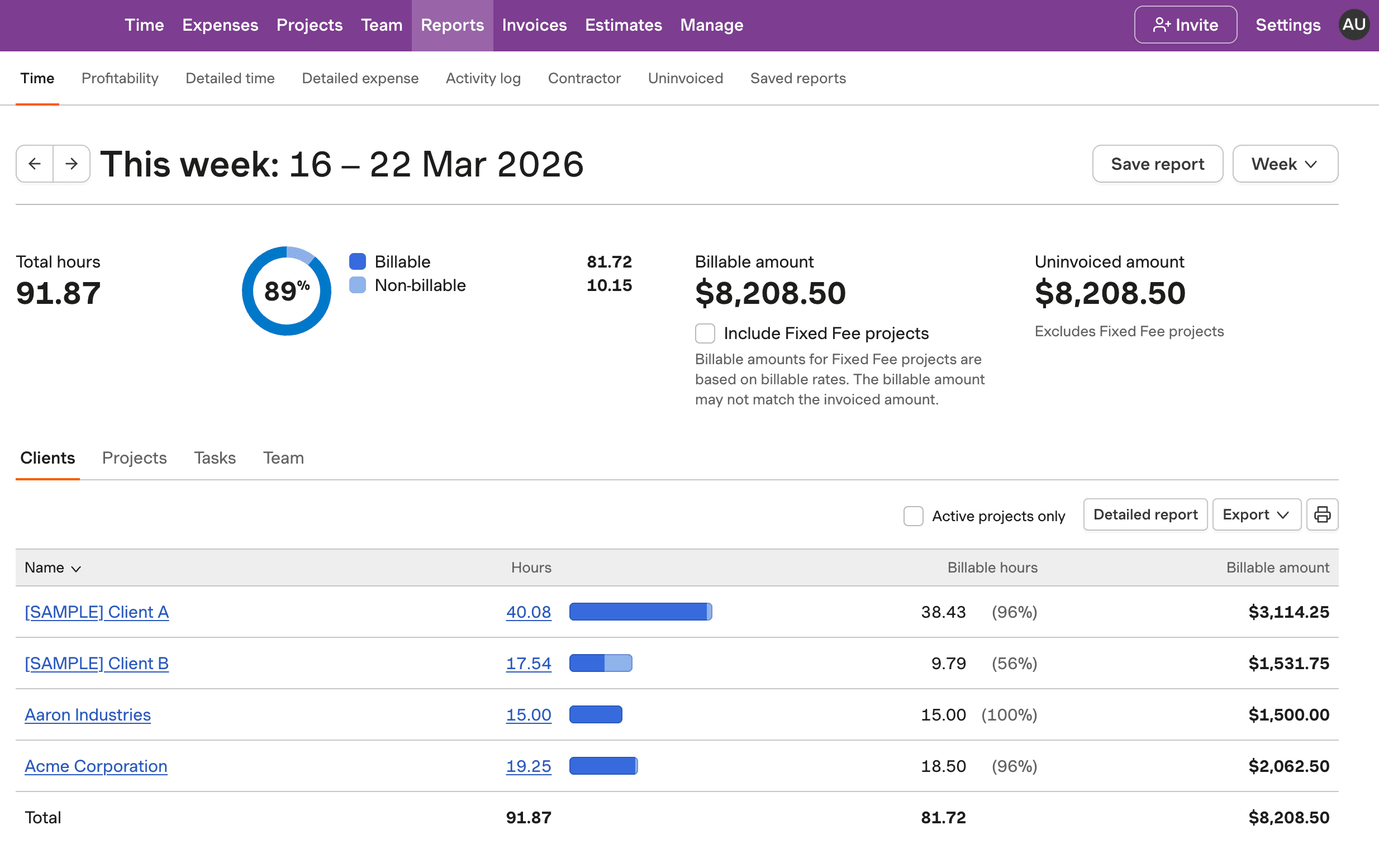
Markup Calculator by Harvest

See how Harvest calculates markups in Germany, integrating local VAT rates and pricing strategies for compliance.

Markup calculation interface for Germany using Harvest.

Markup Calculator in Germany FAQs

  • In Germany, the standard VAT rate is 19% for most goods and services. A reduced rate of 7% applies to items like books and some food products. It's crucial for businesses to apply the correct VAT rate to ensure compliance.

  • To calculate markup in Germany, determine your cost of goods sold (COGS) and selling price. Calculate the profit as Selling Price - COGS, then find the markup percentage as (Profit / COGS) x 100. This helps set competitive prices while maintaining profitability.

  • The Price Indication Ordinance (PAngV) requires transparent pricing for consumers in Germany. All sales prices must include VAT, and any advertised price reductions must show the lowest price from the previous 30 days. This ensures fair pricing practices.

  • Harvest supports German businesses by allowing currency settings in EUR, which helps manage financials accurately. While it does not handle VAT compliance directly, this feature aids in aligning with local financial expectations.

  • A healthy profit margin for businesses in Germany is generally considered to be around 10%. This varies by industry, but maintaining a margin above this threshold indicates strong financial health and competitiveness.

  • Businesses in Germany must register for VAT if their annual turnover exceeds €25,000. For foreign businesses, there is no threshold, ensuring consistent VAT application across borders.

  • Markup is the percentage increase from the cost price to the selling price, while margin is the percentage of the selling price that is profit. Understanding both helps businesses effectively price their products for maximum profitability.

  • Average markups in Germany range between 30-45%. Smaller firms may exhibit higher markups to offset lower sales volumes, aligning with industry norms and ensuring competitive pricing.