
Harvest
Time Tracking
Sign up free

Meal Break Calculator in Germany

Harvest is an essential tool for tracking meal breaks and allowances during business travel in Germany, ensuring compliance with local regulations.

Try Harvest Free

How many hours did you work this week?

Enter your clock-in and clock-out times for each day. The calculator handles breaks, overtime, and weekly totals automatically.

Day Clock In Clock Out Break Hours
Total hours this week 0h
Regular hours (≤40) 0h
Overtime hours 0h
Average hours/day 0h
Total break time 0h

Track time automatically with Harvest

Walk through the entire flow below. Start a timer, check your reports, and create a real invoice — all in three clicks.

Go ahead — start tracking!

One click and you're timing. Try it right here: start a timer, add an entry, edit the details. This is exactly how it feels in Harvest.

  • One-click timer from browser, desktop & mobile
  • Works inside Jira, Asana, Trello, GitHub & 50+ tools
  • Duration or start/end — your call
  • Day, week & calendar views to stay on top of it all
  • Friendly reminders so no hour gets left behind
Acme Corp
Website Redesign
Homepage layout revisions
1:24:09
Content Strategy
Blog calendar planning
1:30:00
SEO Audit
Technical audit report
0:45:00
Brand Guidelines
Color system documentation
2:15:00
Logo Concepts
Initial sketches round 1
1:00:00

Understanding Germany's Working Time Act (ArbZG)

In Germany, the Working Time Act (ArbZG) outlines the legal framework for employee meal breaks, ensuring that employees receive adequate rest during work shifts. According to the ArbZG, employees who work between 6 and 9 hours are entitled to a minimum of 30 minutes of break time. For shifts exceeding 9 hours, a 45-minute break is mandatory. These breaks cannot be taken at the beginning or end of a workday, ensuring they serve as a genuine interruption for rest. Moreover, no employee should work more than six consecutive hours without a break, aligning with the '6-hour rule'.

Breaks can be divided into segments, each lasting at least 15 minutes. They are generally unpaid unless specified otherwise in employment contracts or through collective agreements. Employers must record the start and end times of these breaks accurately, as non-compliance could result in fines up to EUR 15,000. This regulatory framework ensures that breaks are not just a formality but a protected right, promoting employee well-being and productivity.
Special Considerations for Young Workers: The Youth Employment Protection Act (JArbSchG)

For workers under the age of 18, the Youth Employment Protection Act (JArbSchG) imposes stricter regulations on work breaks. Minors working between 4.5 and 6 hours are entitled to a 30-minute break, while those working more than 6 hours must receive a 60-minute break. Breaks for minors must be at least 15 minutes long and cannot be skipped, ensuring that young workers are not overburdened.

The Act also mandates a 12-hour uninterrupted daily rest period for minors, compared to 11 hours for adults. This provides additional protection to ensure that young workers have sufficient time to rest and recover between shifts. These provisions are part of a broader effort to foster a supportive and healthy work environment for young employees, who are still developing physically and mentally.

Beyond Meal Breaks: Daily and Weekly Rest Periods in Germany

In addition to meal breaks, German labor law stipulates daily and weekly rest periods. Employees are entitled to at least 11 uninterrupted hours of rest between their daily work periods. This requirement ensures that workers have ample time to recharge before their next shift. Certain industries may reduce this to 10 hours, provided compensatory rest is granted within a month.

Work on Sundays and public holidays is generally prohibited, with exceptions in specific sectors like healthcare and hospitality. Employees who work on these days must receive compensatory rest days. These provisions help maintain a balance between work and personal life, promoting overall employee health and productivity.

Employer Responsibilities and Compliance: Ensuring Legal Adherence

Employers in Germany must comply with strict regulations regarding work breaks and rest periods. They are required to accurately record the start and end of working hours, including breaks, which became more explicit in 2023. Failure to adhere to these rules can result in fines of up to EUR 15,000 or criminal charges in severe cases.

Employers should establish clear, written break policies and ensure that these are communicated effectively to employees. Breaks must be predetermined and not left to employees to arrange themselves. This structured approach not only ensures legal compliance but also enhances workplace productivity and employee satisfaction.

Practical Tips for Employees and Employers: Navigating Break Culture

Understanding and respecting the cultural significance of breaks in Germany, such as the "Mittagspause" (midday break), can foster a more harmonious workplace. Employers should encourage employees to use breaks for actual recovery, free from work-related duties, and promote a culture where breaks are seen as essential rather than a mere formality.

Employees are advised to utilize breaks effectively by stepping away from their workspaces and engaging in activities that promote relaxation. For employers, scheduling and communicating clear break policies can prevent misunderstandings and ensure that all employees benefit from their entitled rest periods. This approach not only aligns with legal requirements but also supports a healthier, more productive work environment.

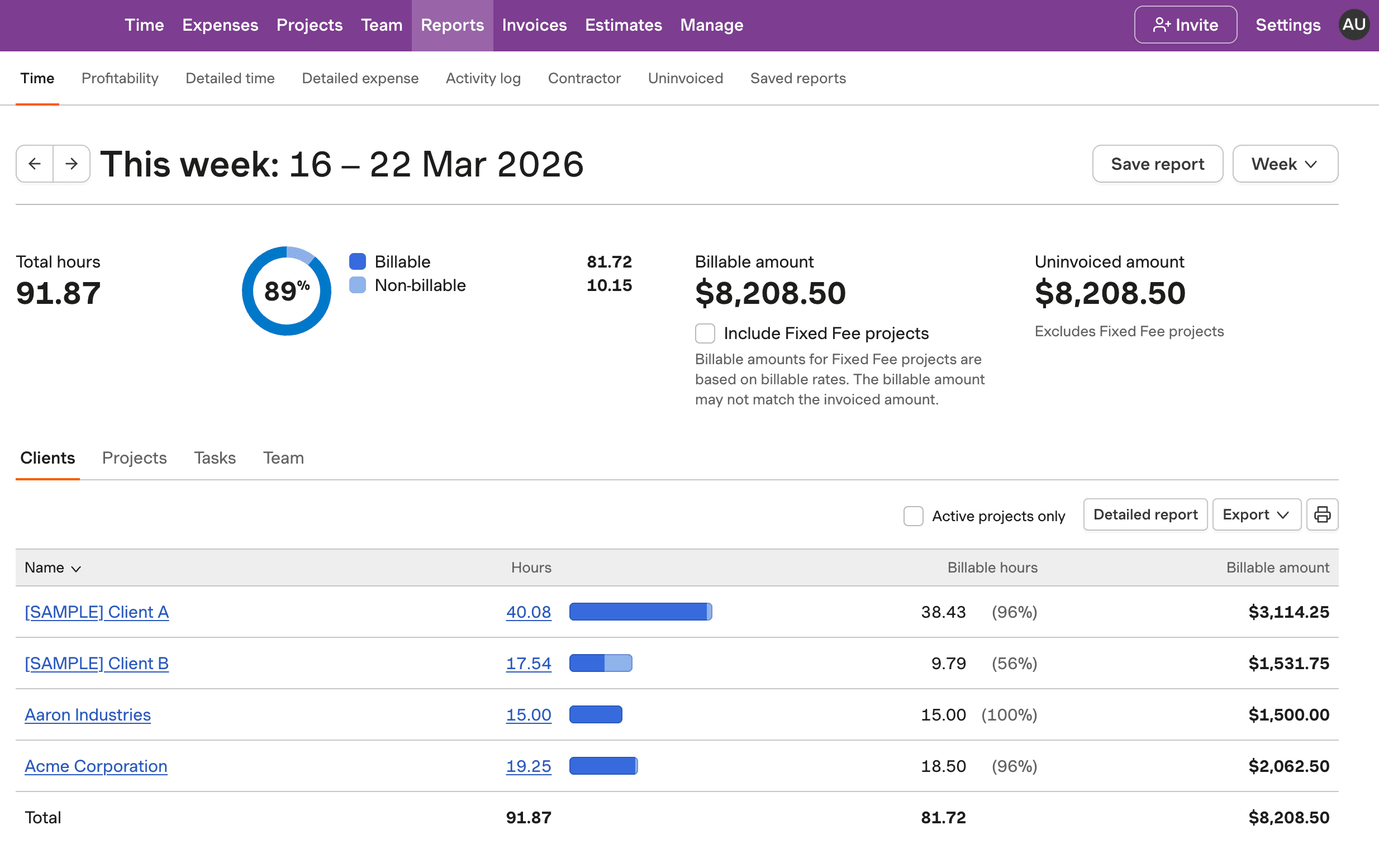
Meal Break Calculation with Harvest

See how Harvest calculates meal breaks and allowances for business travel in Germany, ensuring compliance with local laws.

Screenshot showing Harvest's meal break calculation for Germany.

Meal Break Calculator in Germany FAQs

  • In Germany, employees working 6 to 9 hours must have a 30-minute break, and those exceeding 9 hours need a 45-minute break. Breaks must interrupt work and cannot be at the start or end of the day.

  • Breaks in Germany are generally unpaid unless specified in an employment contract or collective agreement. Employers must clearly document break times to ensure compliance.

  • Minors working 4.5 to 6 hours must have a 30-minute break, and those working over 6 hours require a 60-minute break. They also have a 12-hour rest period between workdays.

  • Employers who fail to comply with break laws in Germany can face fines up to EUR 15,000 or criminal charges in serious cases. Accurate time recording is essential to avoid these penalties.

  • Yes, breaks can be split into segments of at least 15 minutes each. However, they must still adhere to the overall minimum break duration required by law.

  • Yes, collective agreements can modify statutory break rules, potentially offering different arrangements, including paid breaks or specific break times.

  • Employers should establish clear break policies, document working hours accurately, and communicate these policies effectively to employees to ensure compliance and avoid penalties.