
Harvest
Time Tracking
Sign up free

Overtime Laws South Carolina

Navigating South Carolina's overtime laws is crucial for compliance. Harvest offers tools to accurately track time, ensuring adherence to FLSA standards.

Try Harvest Free

What will your overtime pay be?

Calculate regular and overtime earnings based on your hours and rate. Supports standard time-and-a-half and double-time multipliers.

$
Standard is 40 hours/week (FLSA threshold)
1.5x
1.5x = time and a half (most common). 2x = double time (CA after 12h, holidays).
Some states require 2x pay after 12 hours/day or on 7th consecutive day.
Total gross pay $0
Regular pay $0
Overtime pay (1.5x) $0
Double-time pay (2x) $0
Effective hourly rate $0

Track overtime hours with Harvest

Walk through the entire flow below. Start a timer, check your reports, and create a real invoice — all in three clicks.

Go ahead — start tracking!

One click and you're timing. Try it right here: start a timer, add an entry, edit the details. This is exactly how it feels in Harvest.

  • One-click timer from browser, desktop & mobile
  • Works inside Jira, Asana, Trello, GitHub & 50+ tools
  • Duration or start/end — your call
  • Day, week & calendar views to stay on top of it all
  • Friendly reminders so no hour gets left behind
Acme Corp
Website Redesign
Homepage layout revisions
1:24:09
Content Strategy
Blog calendar planning
1:30:00
SEO Audit
Technical audit report
0:45:00
Brand Guidelines
Color system documentation
2:15:00
Logo Concepts
Initial sketches round 1
1:00:00

Understanding South Carolina's Overtime Pay Requirements

South Carolina's overtime laws are governed by the federal Fair Labor Standards Act (FLSA), which mandates that non-exempt employees receive 1.5 times their regular rate of pay for all hours worked over 40 in a workweek. This means that employers must carefully calculate the regular rate, which includes hourly wages and certain bonuses or commissions, to determine the correct overtime pay. Unlike some states, South Carolina does not require daily overtime for hours worked over eight in a day or double time for any hours.

To ensure compliance, it's crucial for employers to track both regular and overtime hours accurately. The South Carolina Payment of Wages Act requires an itemized statement with each paycheck, detailing gross wages and deductions. This serves as a record for both the employer and employee, helping prevent disputes and ensuring transparency in wage payments. Employers must adhere to these requirements to avoid significant liabilities associated with misclassification or underpayment.
Identifying Exempt and Non-Exempt Employees

Determining whether an employee is exempt or non-exempt from overtime in South Carolina involves understanding the FLSA's criteria. To be classified as exempt, employees must typically be salaried, earning at least $684 per week, and perform specific executive, administrative, or professional duties. Misclassifying employees as exempt can lead to substantial financial penalties, making it essential for employers to accurately assess roles and responsibilities.

Non-exempt employees, on the other hand, are entitled to overtime pay for hours worked over 40 in a week. Employers must ensure that their classification frameworks comply with FLSA guidelines, as well as the South Carolina Payment of Wages Act, to avoid disputes and potential legal action. Accurate classification not only ensures fair compensation but also protects businesses from potential compliance issues.

Calculating Overtime Pay for Salaried Employees

Calculating overtime for salaried, non-exempt employees in South Carolina requires a clear understanding of their "regular rate of pay." This rate is determined by dividing the total weekly earnings by the total hours worked. For overtime, employers apply a 1.5x multiplier to this rate for hours worked beyond 40 in a week. This method ensures that salaried employees receive fair compensation for overtime, aligning with FLSA standards.

For businesses, maintaining detailed records of hours worked and wages paid is critical. Harvest's time tracking tools can simplify this process, providing accurate reporting and compliance with overtime laws. This ensures that businesses can manage payroll efficiently while adhering to federal and state regulations.

Implications of Misclassification and Compliance

Misclassifying employees as exempt from overtime can result in significant liabilities for employers. The FLSA outlines strict criteria for exemptions, and failure to comply can lead to back pay, fines, and legal costs. Employers in South Carolina must be diligent in maintaining accurate employee records and classifications to prevent such issues.

Harvest provides robust tools for tracking employee time and generating detailed reports, helping businesses maintain compliance with wage and hour laws. By leveraging these tools, employers can ensure that they accurately classify employees, track hours worked, and calculate overtime pay, thereby minimizing the risk of misclassification and associated penalties.

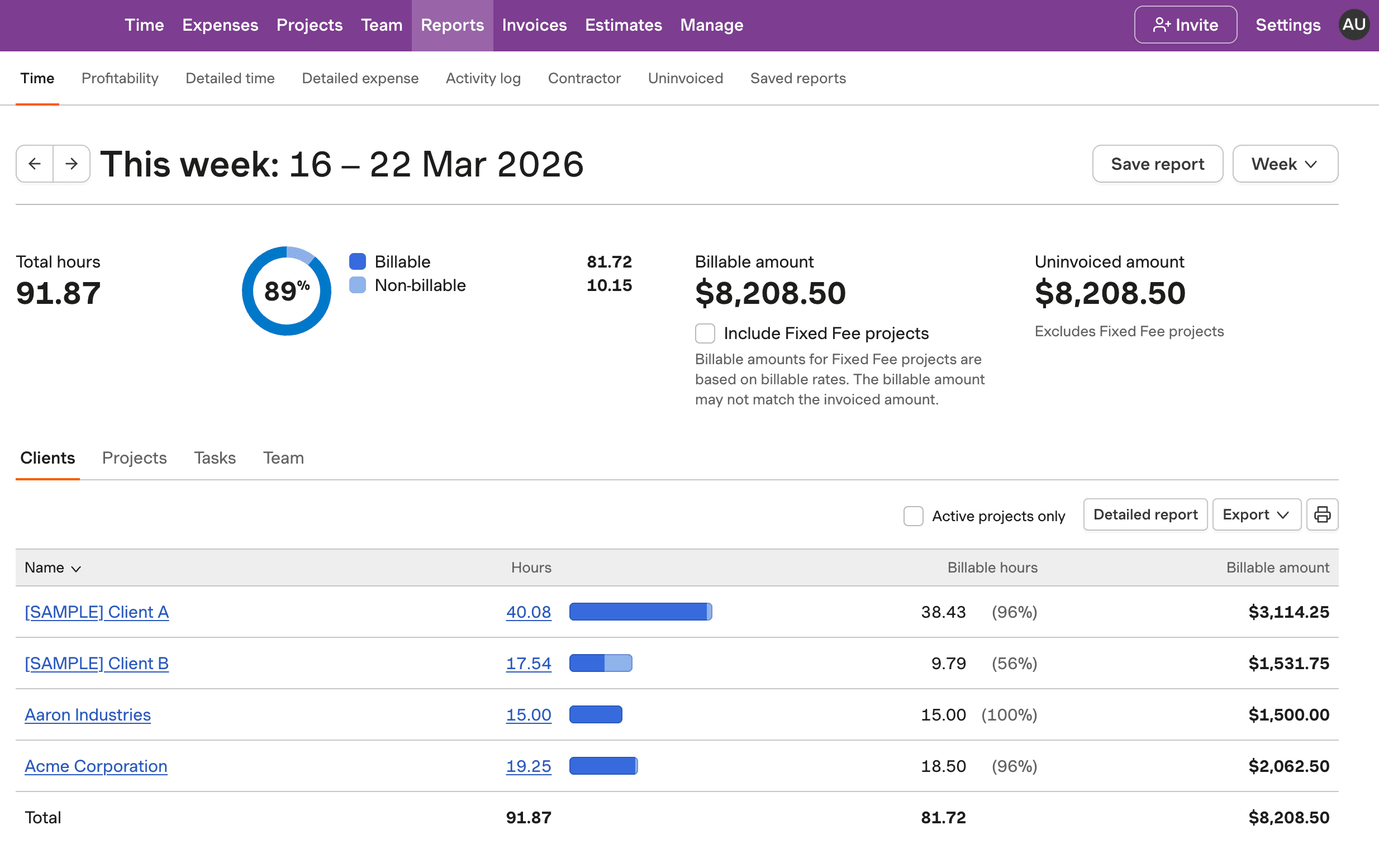
Track Compliance with Harvest

See how Harvest's tools help comply with South Carolina overtime laws, ensuring accurate time tracking and reporting.

Screenshot of Harvest's time tracking tool aligned with overtime laws.

Overtime Laws South Carolina FAQs

  • South Carolina follows the federal FLSA, requiring overtime pay at 1.5 times the regular rate for hours over 40 in a workweek. This includes base pay plus bonuses.

  • Determine exemption by evaluating if employees meet FLSA salary thresholds and job duties. Exempt employees must earn at least $684 weekly and perform specific roles.

  • The regular rate in South Carolina includes the base hourly wage plus non-discretionary bonuses. It's calculated by dividing total earnings by hours worked in a week.

  • Misclassification can lead to liabilities including back pay and fines. Accurate classification and recordkeeping are essential for compliance with FLSA and state laws.

  • Harvest offers detailed time tracking and reporting features, ensuring accurate recordkeeping and compliance with overtime laws, minimizing wage disputes and penalties.

  • Yes, salaried employees can be non-exempt and eligible for overtime if they do not meet FLSA exemption criteria, such as the salary threshold and specific job duties.

  • For commission-based employees, the regular rate is derived by dividing total weekly earnings by hours worked, then applying a 1.5x multiplier for overtime hours.