
Harvest
Time Tracking
Sign up free

Profit Margin Calculator in Greece

Harvest provides a comprehensive solution for tracking time and managing invoices, crucial for businesses in Greece dealing with VAT and local tax regulations.

Try Harvest Free

What should you charge per hour?

Most freelancers and consultants dramatically undercharge. This calculator accounts for what most people miss: non-billable time, taxes, and overhead.

$
Accounting for vacation, holidays, sick days
60%
Most freelancers can bill 50-70% of their time. The rest goes to admin, marketing, proposals, and learning.
$
Software, insurance, equipment, accounting, taxes beyond income tax, etc.
Your break-even rate $0
Recommended rate (+20% buffer) $0
Billable hours per week 0h
Equivalent daily rate $0

Start tracking your billable hours

Walk through the entire flow below. Start a timer, check your reports, and create a real invoice — all in three clicks.

Go ahead — start tracking!

One click and you're timing. Try it right here: start a timer, add an entry, edit the details. This is exactly how it feels in Harvest.

  • One-click timer from browser, desktop & mobile
  • Works inside Jira, Asana, Trello, GitHub & 50+ tools
  • Duration or start/end — your call
  • Day, week & calendar views to stay on top of it all
  • Friendly reminders so no hour gets left behind
Acme Corp
Website Redesign
Homepage layout revisions
1:24:09
Content Strategy
Blog calendar planning
1:30:00
SEO Audit
Technical audit report
0:45:00
Brand Guidelines
Color system documentation
2:15:00
Logo Concepts
Initial sketches round 1
1:00:00

Understanding Profit Margins: The Greek Context

Profit margins are critical indicators of a business's financial health, especially in Greece where diverse industries face unique challenges. The three primary types of profit margins are gross, operating, and net profit margins. Gross profit margin represents the percentage of revenue remaining after deducting the cost of goods sold (COGS). Operating profit margin accounts for all operating expenses, and net profit margin includes all taxes and non-operating expenses.

For Greek businesses, understanding these margins is essential due to specific factors like the VAT rate of 24% and various corporate income tax rates (22% for most, 29% for credit institutions, 10% for agricultural cooperatives). Additionally, temporary caps on gross profit margins for essential products until 2026 influence pricing strategies. Accurate profit margin calculations help businesses navigate these complexities and make informed decisions about pricing and cost management.
Navigating Greek Tax and Regulatory Landscape

Businesses in Greece must carefully navigate a complex tax and regulatory environment to maintain healthy profit margins. The standard corporate income tax rate is 22%, but certain entities like agricultural cooperatives enjoy a reduced rate of 10%. VAT is another crucial factor, with a standard rate of 24%, though reduced rates apply to some goods and services, such as a 13% rate for certain food products and a 6% rate for essential goods.

Understanding deductible and non-deductible expenses is also key. For instance, R&D expenditures are deductible at 200-250%, offering substantial tax relief. Conversely, Greek regulations mandate that expenses over €500 must be bank-paid to qualify as deductions. Compliance with these rules ensures businesses optimize their taxable income and avoid penalties, such as those imposed for breaching profit margin caps on essential goods.

Calculating Profit Margins with Local Considerations

To calculate profit margins effectively in Greece, businesses should start by determining their total sales revenue and subtracting the COGS to find the gross profit. The gross profit margin is then calculated by dividing the gross profit by the revenue and multiplying by 100. This formula must be adapted to account for local regulations, such as temporary profit margin caps on essential products, which must not exceed 2025's average margin.

Operating profit is calculated by subtracting operating expenses, which include salaries and utilities, from the gross profit. Finally, net profit is derived by deducting taxes and other non-operating expenses. With Greece's tax rates, including a 22% corporate tax, and VAT implications, businesses must ensure accurate calculations to maintain profitability.

Industry-Specific Profit Margin Insights in Greece

Various sectors in Greece face distinct profit margin challenges and opportunities. The shipping industry, a major contributor to Greece's GDP, benefits from tax exemptions on vessels built under the Greek flag, enhancing profitability. In contrast, the tourism sector must adapt to regional disparities, like Crete's 12% drop in receipts in 2024, despite a national increase in travel receipts to €23.63 billion in 2025.

The retail sector grapples with government-imposed profit margin caps on essential goods, affecting pricing strategies. Meanwhile, the agriculture sector, with small land holdings averaging 5.3 hectares, relies heavily on EU subsidies to sustain income. Each industry must consider these unique factors in their profit margin calculations to thrive in the Greek market.

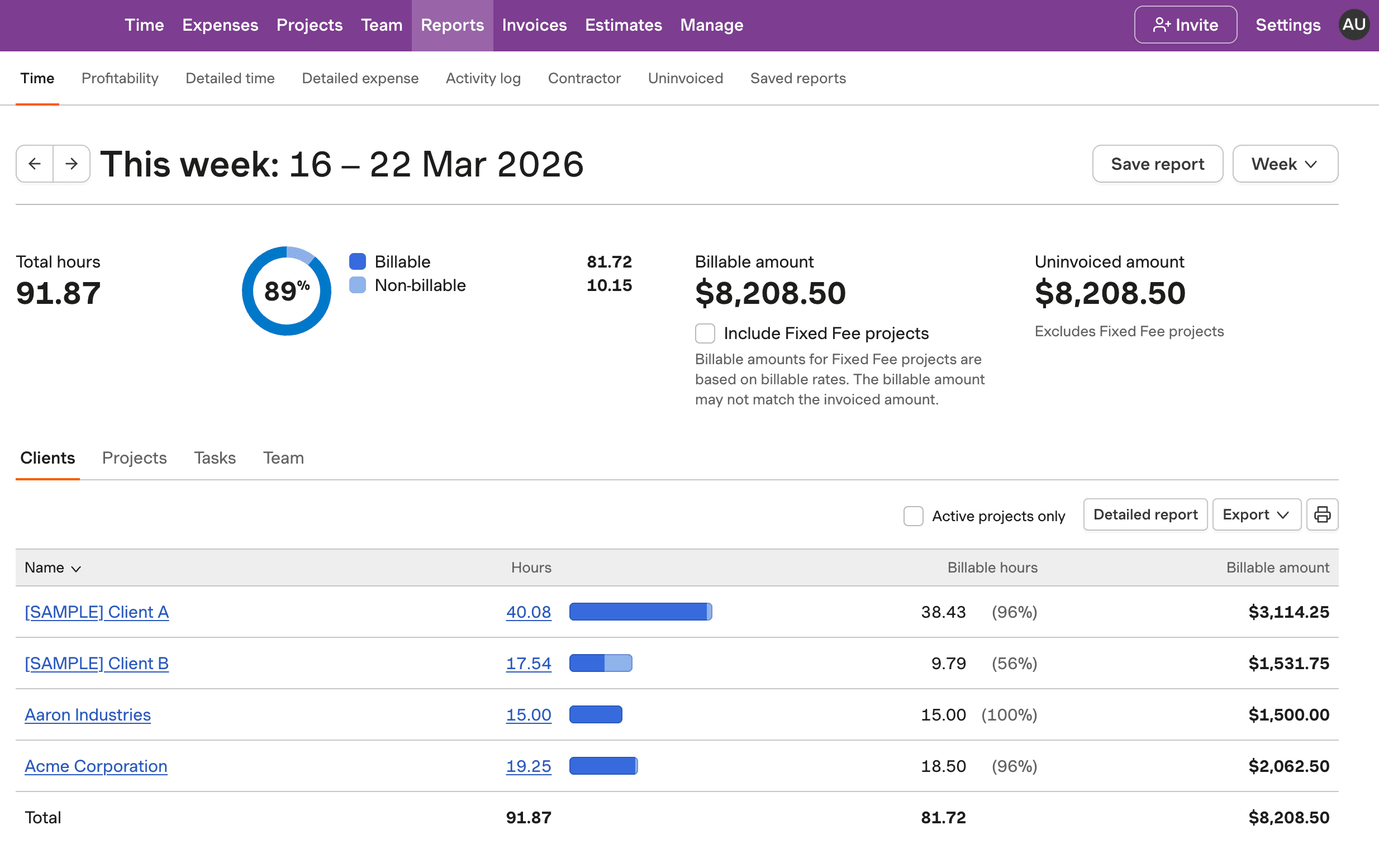
Harvest Profit Margin Calculator

The Harvest dashboard displays tools for calculating profit margins in Greece, incorporating local VAT and tax regulations.

Harvest interface showing profit margin calculations specific to Greece.

Profit Margin Calculator in Greece FAQs

  • To calculate profit margin in Greece, start with the revenue and subtract the cost of goods sold to get the gross profit. Divide the gross profit by revenue and multiply by 100 for the gross profit margin. Consider local regulations such as VAT and tax rates when applying this formula.

  • VAT regulations in Greece significantly impact profit margins as the standard rate is 24%. Businesses must include VAT in their pricing strategies to ensure compliance and maintain profitability. Reduced rates apply to certain goods, which can influence margin calculations.

  • Yes, Greek businesses must consider costs like VAT, which is 24% for most goods, and specific deductible expenses such as R&D costs, deductible up to 250%. Additionally, expenses over €500 must be paid through banks to qualify for deductions.

  • Effective pricing strategies in Greece need to factor in VAT rates, temporary profit margin caps on essential goods, and industry-specific dynamics such as the tourism sector's regional disparities. Aligning pricing with these factors ensures compliance and maximizes profitability.

  • Harvest allows businesses to include VAT information in invoice notes, aiding in managing VAT implications for profit calculations. This feature helps businesses comply with Greek VAT regulations and maintain accurate financial records.

  • Challenges include adapting to multiple VAT rates, corporate tax variations, and temporary profit margin caps on essential goods. Harvest's detailed invoicing and expense tracking can help mitigate these complexities by providing clear financial visibility.