
Harvest
Time Tracking
Sign up free

Profit Margin Calculator in Sweden

Harvest helps Swedish businesses handle complex tax implications like the 20.6% corporate tax and 25% VAT, ensuring accurate profit margin calculations.

Try Harvest Free

What should you charge per hour?

Most freelancers and consultants dramatically undercharge. This calculator accounts for what most people miss: non-billable time, taxes, and overhead.

$
Accounting for vacation, holidays, sick days
60%
Most freelancers can bill 50-70% of their time. The rest goes to admin, marketing, proposals, and learning.
$
Software, insurance, equipment, accounting, taxes beyond income tax, etc.
Your break-even rate $0
Recommended rate (+20% buffer) $0
Billable hours per week 0h
Equivalent daily rate $0

Start tracking your billable hours

Walk through the entire flow below. Start a timer, check your reports, and create a real invoice — all in three clicks.

Go ahead — start tracking!

One click and you're timing. Try it right here: start a timer, add an entry, edit the details. This is exactly how it feels in Harvest.

  • One-click timer from browser, desktop & mobile
  • Works inside Jira, Asana, Trello, GitHub & 50+ tools
  • Duration or start/end — your call
  • Day, week & calendar views to stay on top of it all
  • Friendly reminders so no hour gets left behind
Acme Corp
Website Redesign
Homepage layout revisions
1:24:09
Content Strategy
Blog calendar planning
1:30:00
SEO Audit
Technical audit report
0:45:00
Brand Guidelines
Color system documentation
2:15:00
Logo Concepts
Initial sketches round 1
1:00:00

Understanding Profit Margins in Sweden

Profit margins are a critical financial metric for businesses operating in Sweden, providing insights into profitability after accounting for costs. In Sweden, understanding the implications of the 20.6% corporate income tax and the standard 25% VAT is essential for accurate margin calculations. The corporate tax rate, reduced from 21.4% in 2020, remains below the OECD average, making Sweden an attractive location for businesses.

To calculate profit margins, businesses must consider different types: gross, operating, and net. Each type provides different insights: gross profit margin shows how well a company produces goods/services compared to its revenue, while net profit margin reflects overall profitability after all expenses. The specific formula for gross profit margin is [(Revenue - COGS) / Revenue] x 100, illustrating the percentage of revenue that exceeds the cost of production.
Impact of Taxes on Profit Margins

Taxes significantly impact profit margins for Swedish businesses. The 20.6% corporate income tax and various VAT rates require careful consideration. VAT rates vary: 25% standard, 12% for foodstuffs, and 6% for items like books and transport. Companies must incorporate these taxes into pricing strategies to maintain profitability.

For businesses, understanding how taxes affect margins is crucial. For instance, ensuring VAT compliance can be challenging but necessary. Utilizing tools like Harvest can aid this process by allowing businesses to add VAT information to invoices, which helps in aligning with Swedish VAT regulations. This feature ensures you're capturing the right financial data to accurately calculate and optimize profit margins.

Optimizing Profit Margins with Best Practices

Optimizing profit margins involves strategic planning and compliance with local regulations. Swedish businesses should leverage tax deductions, such as R&D and business development expenses, to reduce taxable income. Profits reinvested into business activities can also benefit from tax exemptions, enhancing cash flow.

Engaging a local tax advisor is advisable to navigate Sweden's complex tax landscape and stay updated on regulatory changes. Additionally, choosing the right business structure can impact tax liabilities and available deductions. By strategically managing taxes and utilizing resources like Harvest for tracking expenses, businesses can improve their overall profitability and maintain compliance with Swedish regulations.

Factors Influencing Profitability in Sweden

Several factors influence profitability in the Swedish market, including firm size, productivity, and industry dynamics. Studies indicate that productivity is a significant determinant of profitability for micro firms. Larger companies, which meet criteria such as having more than 50 employees or sales exceeding SEK 80 million, must adhere to K3 accounting standards.

Sweden's key economic sectors, such as manufacturing and services, contribute significantly to GDP, with unique cost structures affecting profitability. Understanding these dynamics is crucial for setting competitive prices and ensuring healthy profit margins. Businesses should regularly evaluate their market position and adjust strategies accordingly to enhance profitability in Sweden's diverse economic landscape.

Explore Harvest for Profit Margins in Sweden

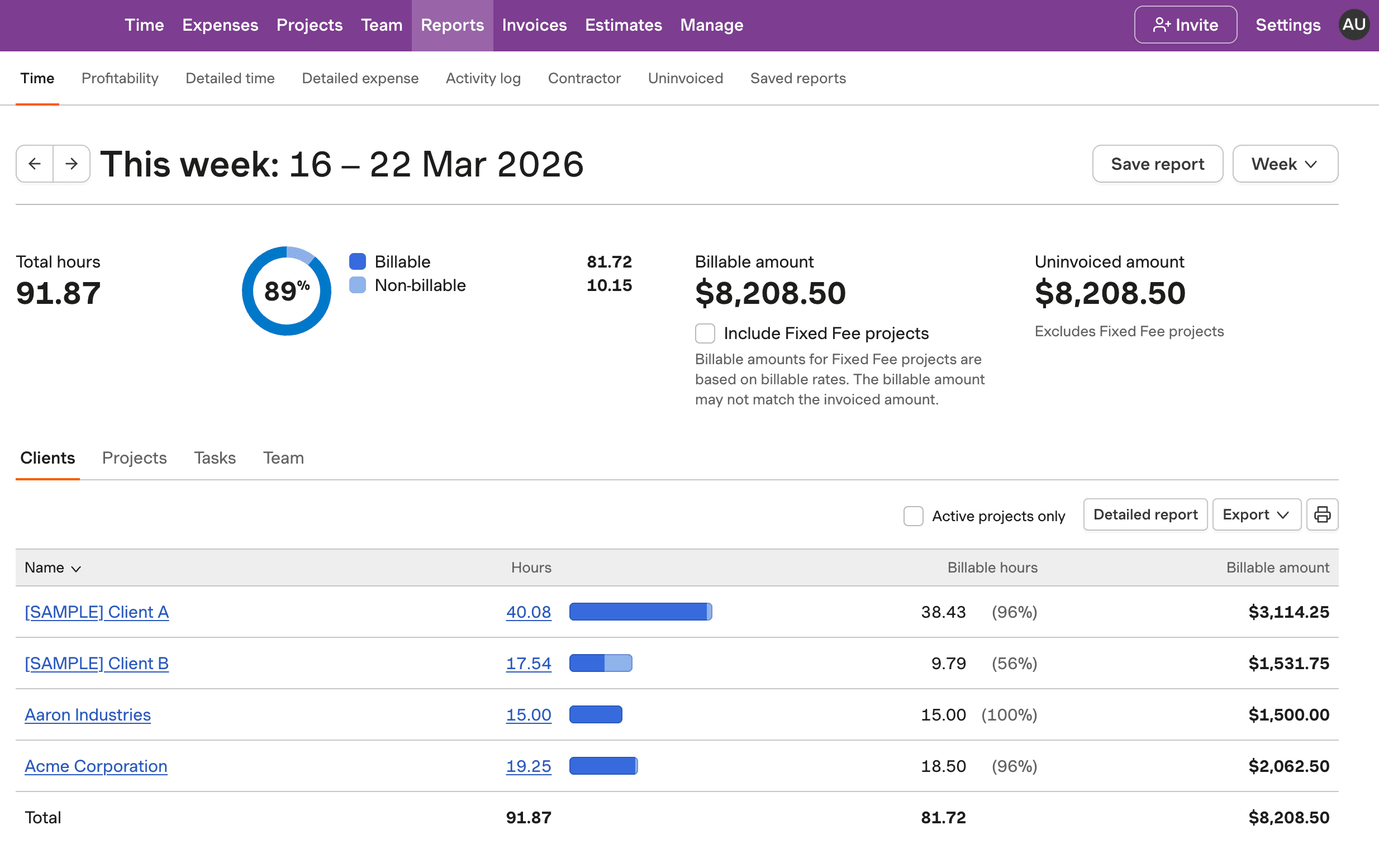
Harvest helps Swedish businesses calculate profit margins, integrating key tax considerations like VAT and corporate income tax.

Harvest interface showing profit margin calculations in Sweden context.

Profit Margin Calculator in Sweden FAQs

  • The formula for calculating gross profit margin in Sweden is: [(Revenue - COGS) / Revenue] x 100. This calculates the percentage of revenue exceeding the cost of goods sold.

  • Taxes significantly impact profit margins, with a corporate income tax of 20.6% and standard VAT at 25%. Businesses must incorporate these into their pricing strategies.

  • In Sweden, the standard VAT rate is 25%. Reduced rates include 12% for certain goods like food and 6% for books and transport.

  • Optimize margins by leveraging tax deductions, utilizing strategic business structures, and engaging local tax advisors to navigate Sweden’s tax regulations effectively.

  • Harvest assists with Swedish VAT compliance by allowing businesses to add VAT information to invoice notes, ensuring accurate financial tracking and adherence to regulations.

  • Key factors include firm size, productivity, and industry dynamics. Productivity is a significant determinant, especially for micro firms, impacting overall profitability.

  • Understanding local tax is crucial as it directly affects profit margins. The corporate tax rate, VAT implications, and deductions all play a role in financial health.