
Harvest
Time Tracking
Sign up free

Time and a Half Calculator in France

Harvest simplifies time tracking and compliance with French labor laws, ensuring accurate overtime calculations and fair compensation.

Try Harvest Free

What will your overtime pay be?

Calculate regular and overtime earnings based on your hours and rate. Supports standard time-and-a-half and double-time multipliers.

$
Standard is 40 hours/week (FLSA threshold)
1.5x
1.5x = time and a half (most common). 2x = double time (CA after 12h, holidays).
Some states require 2x pay after 12 hours/day or on 7th consecutive day.
Total gross pay $0
Regular pay $0
Overtime pay (1.5x) $0
Double-time pay (2x) $0
Effective hourly rate $0

Track overtime hours with Harvest

Walk through the entire flow below. Start a timer, check your reports, and create a real invoice — all in three clicks.

Go ahead — start tracking!

One click and you're timing. Try it right here: start a timer, add an entry, edit the details. This is exactly how it feels in Harvest.

  • One-click timer from browser, desktop & mobile
  • Works inside Jira, Asana, Trello, GitHub & 50+ tools
  • Duration or start/end — your call
  • Day, week & calendar views to stay on top of it all
  • Friendly reminders so no hour gets left behind
Acme Corp
Website Redesign
Homepage layout revisions
1:24:09
Content Strategy
Blog calendar planning
1:30:00
SEO Audit
Technical audit report
0:45:00
Brand Guidelines
Color system documentation
2:15:00
Logo Concepts
Initial sketches round 1
1:00:00

Understanding Overtime Pay in France

In France, overtime pay calculations are guided by the "Loi Aubry," which sets the standard legal workweek at 35 hours. Any hours worked beyond this threshold are considered overtime, or "heures supplémentaires." This system ensures that employees are compensated fairly for additional work, with specific rates defined by French labor laws. For the first eight hours of overtime (hours 36 to 43), employees receive a 25% pay increase. Hours worked beyond this (44th hour onwards) are compensated at a 50% increase. These rates ensure workers are fairly rewarded for their extra efforts.

It's crucial for businesses to accurately track these hours, as exceeding the standard workweek can quickly accumulate significant overtime pay obligations. For example, exceeding the 220-hour annual overtime quota requires additional compensation in the form of time off or increased pay. Harvest, with its precise time tracking capabilities, can be instrumental in ensuring that all worked hours are documented correctly, thus aiding compliance with these regulations.
Calculating Overtime: A Step-by-Step Guide

Calculating overtime pay in France involves several key steps. First, determine the employee's standard workweek hours; typically, this is 35 hours unless otherwise specified by a collective agreement. Next, track all hours worked using reliable methods, such as Harvest, which offers both automatic and manual time entry options. This ensures accurate record-keeping and compliance with French labor laws.

  1. Track actual hours worked each week, identifying any hours beyond the 35-hour threshold.
  2. Apply a 25% premium to hours 36 through 43 and a 50% premium to hours 44 and beyond.
  3. Record these calculations on the employee's payslip, as required by law.

By following these steps, employers can ensure legal compliance and fair compensation for their employees' overtime work.

The Role of Collective Bargaining Agreements

In France, collective bargaining agreements (CBAs) play a significant role in determining overtime pay rates and conditions. These agreements, which cover over 95% of the workforce, can stipulate different overtime rates and conditions than those outlined in the general labor laws, though they cannot set rates lower than a 10% increase. CBAs may also define more favorable conditions, such as additional time off or different annual overtime quotas.

It's essential for employers to be familiar with the specific CBA applicable to their industry or company. These agreements can significantly impact overtime costs and employee compensation strategies. For instance, in industries like hospitality or healthcare, flexible scheduling is often required, making it vital to understand how CBAs impact overtime calculations. Harvest can aid in managing these complexities by providing detailed reports that align with CBA stipulations.

Compensatory Rest and Tax Exemption

French labor laws provide for compensatory rest, or time off in lieu (TOIL), as an alternative to overtime pay. This allows employees to take time off equivalent to the overtime worked, enhanced by the applicable pay supplement. For example, one hour of overtime at a 25% premium equates to 1 hour and 15 minutes of rest. This option, often outlined in CBAs, can be more cost-effective for employers while still rewarding employees.

Additionally, as of 2019, the first €7,500 of overtime pay is exempt from income tax, offering a financial incentive for both employers and employees. However, social contributions still apply, albeit at reduced rates. Utilizing Harvest for detailed time tracking helps ensure accurate calculation and documentation of these benefits, supporting effective payroll management.

Time and a Half Calculations with Harvest

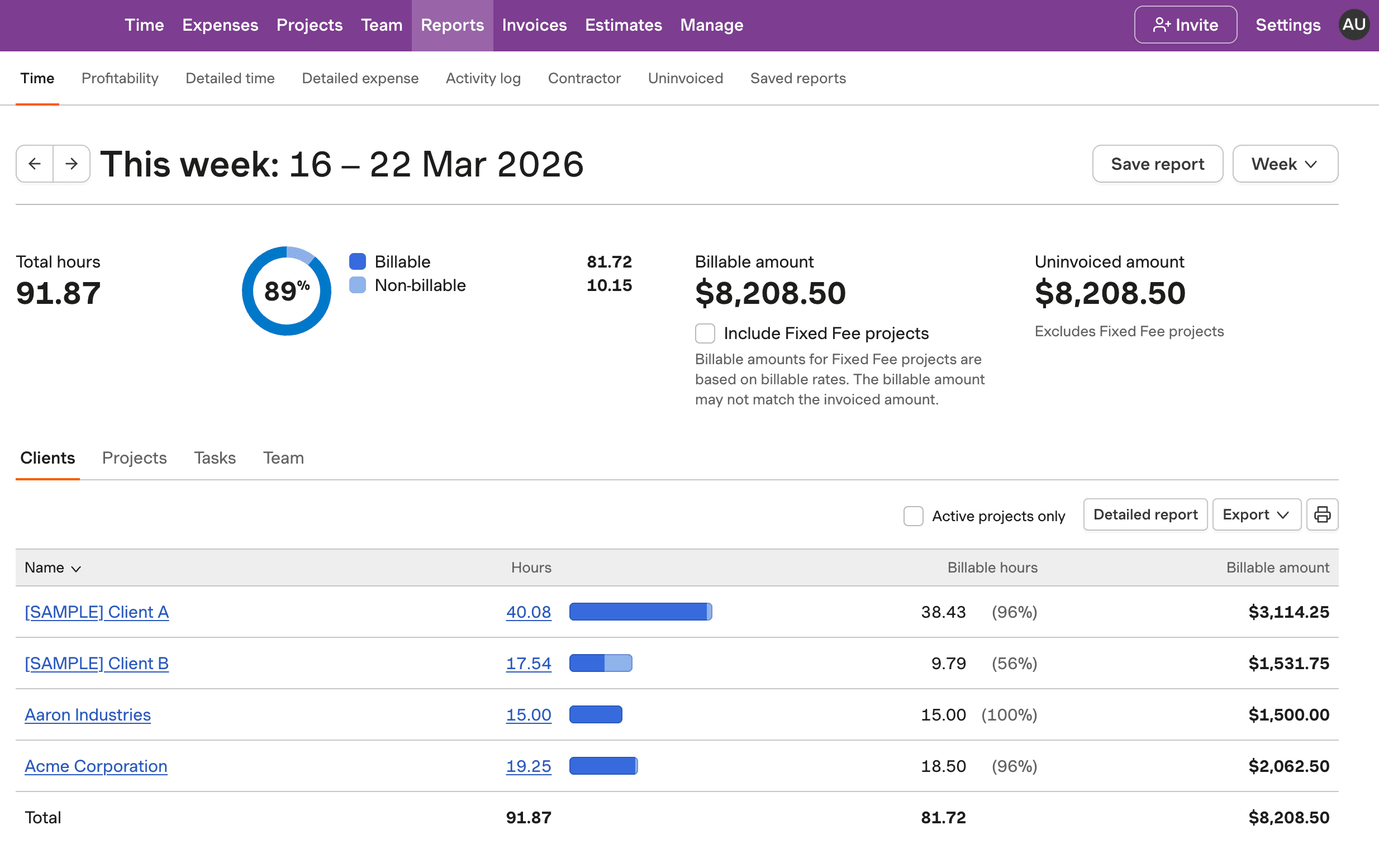
See how Harvest calculates French overtime pay with precise time tracking, ensuring compliance with labor laws.

Harvest time and a half calculator dashboard in France

Time and a Half Calculator in France FAQs

  • Overtime in France is calculated based on the 35-hour standard workweek. Hours 36 to 43 are paid at a 25% premium, while hours 44 and beyond receive a 50% premium. These rates ensure fair compensation for extra work.

  • The standard overtime pay rates in France are a 25% premium for the first eight hours (36-43) and a 50% premium for hours beyond that. Collective bargaining agreements may stipulate different rates, but not lower than 10%.

  • The 35-hour workweek in France means any hours worked beyond this are considered overtime. This threshold ensures that employees are compensated fairly for additional work, with standard premiums applied.

  • Collective bargaining agreements in France can alter standard overtime rates and conditions. They often provide more favorable terms, but rates cannot be below a 10% premium. Employers must align with these agreements.

  • Compensatory rest, or time off in lieu, allows employees to take time off instead of receiving extra pay. The time off must equate to the overtime worked, adjusted by the pay premium, ensuring fair compensation.

  • The standard annual overtime limit in France is 220 hours. Exceeding this quota necessitates additional compensation, often in the form of mandatory rest, ensuring employees are not overworked.

  • Yes, as of 2019, the first €7,500 of overtime pay per year is exempt from income tax, although social contributions still apply. This tax benefit encourages both employers and employees to manage overtime effectively.