
Harvest
Time Tracking
Sign up free

Time Card Calculator in Poland

Harvest offers a comprehensive time card calculator that simplifies compliance with Polish labor laws, ensuring accurate work hour and wage calculations.

Try Harvest Free

How many hours did you work this week?

Enter your clock-in and clock-out times for each day. The calculator handles breaks, overtime, and weekly totals automatically.

Day Clock In Clock Out Break Hours
Total hours this week 0h
Regular hours (≤40) 0h
Overtime hours 0h
Average hours/day 0h
Total break time 0h

Track time automatically with Harvest

Walk through the entire flow below. Start a timer, check your reports, and create a real invoice — all in three clicks.

Go ahead — start tracking!

One click and you're timing. Try it right here: start a timer, add an entry, edit the details. This is exactly how it feels in Harvest.

  • One-click timer from browser, desktop & mobile
  • Works inside Jira, Asana, Trello, GitHub & 50+ tools
  • Duration or start/end — your call
  • Day, week & calendar views to stay on top of it all
  • Friendly reminders so no hour gets left behind
Acme Corp
Website Redesign
Homepage layout revisions
1:24:09
Content Strategy
Blog calendar planning
1:30:00
SEO Audit
Technical audit report
0:45:00
Brand Guidelines
Color system documentation
2:15:00
Logo Concepts
Initial sketches round 1
1:00:00

Understanding Polish Labor Laws for Time Tracking

Calculating work hours and wages in Poland requires adherence to specific labor laws designed to protect employees and ensure fair compensation. The standard full-time working hours are capped at a maximum of 8 hours per day and an average of 40 hours per week. These hours are typically distributed across five days. Overtime can extend the total weekly working time to an average of 48 hours, but must include a mandatory 11-hour rest period within a 24-hour cycle. Employers must also adhere to the 150-hour yearly limit on overtime, unless otherwise agreed through labor agreements.

Overtime work performed at night, on Sundays, or public holidays, entitles employees to additional pay. Specifically, a 100% premium is applicable for such work, while a 50% premium is available for other days. Furthermore, Polish labor laws mandate that employees receive at least 20-26 days of paid annual leave, depending on their length of service, with unused vacation days to be taken by September of the following year.
Calculating Overtime and Rest Periods

In Poland, managing overtime and ensuring adequate rest periods are critical components of labor compliance. Overtime compensation is not only about extra pay but also involves granting additional time off. If time off is granted without the employee's request, each overtime hour translates to 1.5 hours of paid leave. Alternatively, if requested by the employee, it equates directly to one hour of leave.

The law stipulates minimum daily and weekly rest periods to safeguard employee well-being. Employers must provide at least 11 hours of uninterrupted rest every day and 35 hours of weekly rest, typically including Sunday. For specific scenarios, such as emergency work, the weekly rest can be reduced to 24 hours. These regulations ensure a balanced work-life dynamic, crucial for maintaining productivity and employee satisfaction.

Impact of Public Holidays on Work Calculations

Public holidays in Poland play a significant role in calculating work hours and wages. There are 13 paid public holidays annually. If a public holiday lands on a Saturday, employees are entitled to an extra day off, although no additional compensation is provided if it falls on a Sunday unless the employee was scheduled to work. Employers must adjust the working time calculation for these holidays during the settlement period to avoid exceeding legal work limits and ensure compliance with labor laws.

Holiday pay in Poland incorporates an employee's base salary and other variable components earned over the last three months. This total is divided by the hours worked in that period to establish an average hourly rate for holiday compensation. These calculations help maintain transparency and fairness in employee remuneration, supporting compliance with Polish labor standards.

Effective Record-Keeping and Compliance

Effective record-keeping is essential for compliance with Polish labor laws. Employers are required to maintain detailed records of employee working hours, including days worked, absences, and overtime. These records, which can be kept on paper or electronically, must be preserved for at least three years. Notably, failure to comply with these requirements can result in fines of up to PLN 30,000.

To ensure compliance and mitigate risks, employers should utilize reliable time tracking systems that streamline the recording process. Such systems can help avoid the pitfalls of manual tracking, which can lead to errors and non-compliance. By maintaining accurate records, businesses not only adhere to legal obligations but also foster a transparent and fair working environment.

Harvest Time Card Calculator for Poland

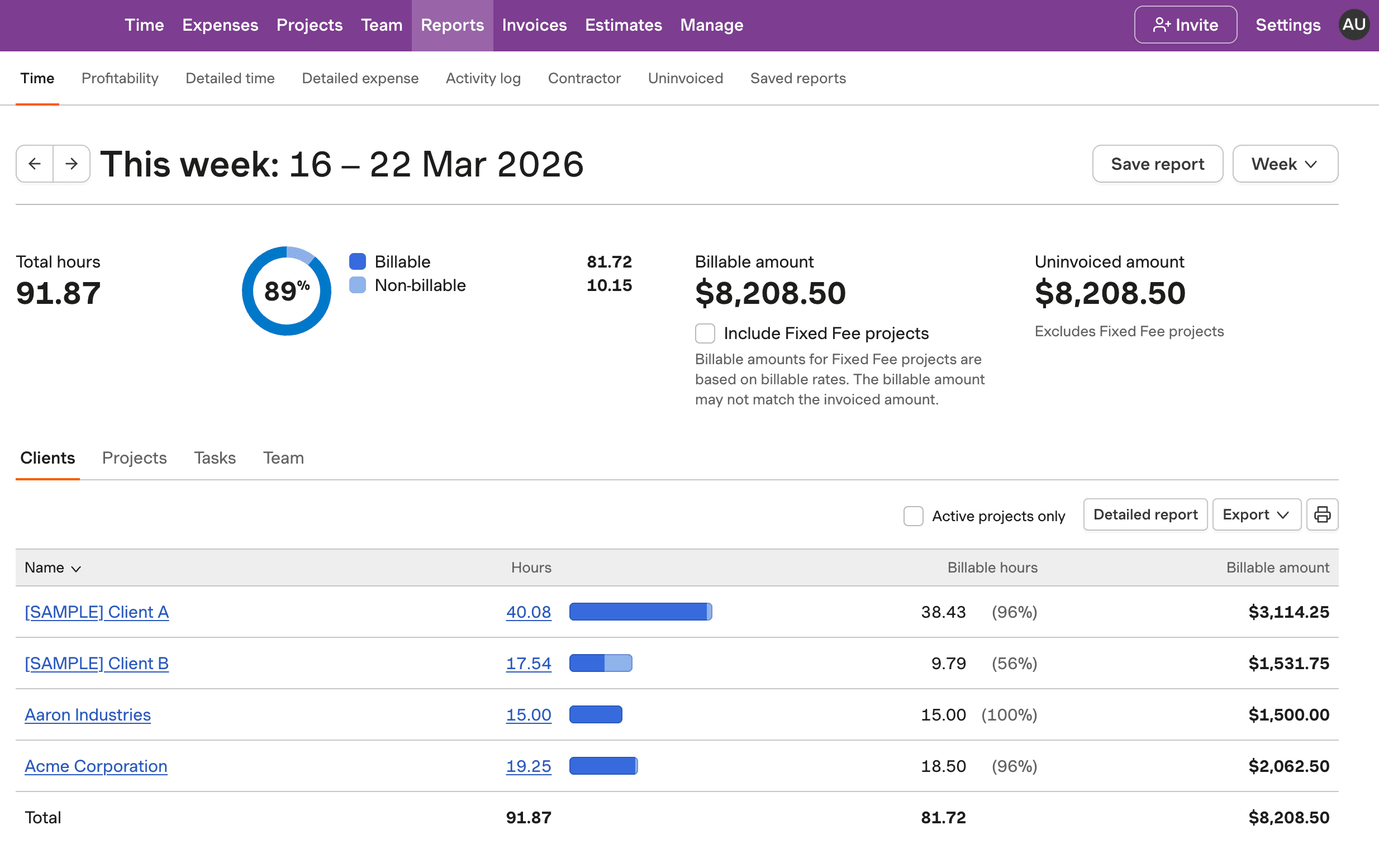
See how Harvest calculates work hours and wages in compliance with Polish labor laws, including overtime and public holidays.

Screenshot of Harvest time card calculator for Poland

Time Card Calculator in Poland FAQs

  • The standard working hours in Poland are set at a maximum of 8 hours per day and 40 hours per week, typically spread across a five-day workweek. This framework ensures compliance with labor laws and promotes work-life balance.

  • Overtime in Poland is compensated with additional pay or time off. Employees receive a 100% premium for overtime at night, on Sundays, or public holidays, and a 50% premium for other days. Employers can also offer time off instead of pay.

  • Poland observes 13 paid public holidays each year. If a holiday falls on a Saturday, employees get an extra day off. Employers must adjust working time calculations during settlement periods to account for these holidays.

  • Employers in Poland must keep detailed records of working hours, including workdays, absences, and overtime, for at least three years. This is vital for compliance with labor laws and avoiding substantial fines for non-compliance.

  • While Harvest offers flexible time tracking solutions, it's important to note that it does not specialize in Polish labor law compliance. However, it can assist in managing time logs and invoicing effectively.

  • As of January 1, 2026, the minimum wage in Poland is PLN 4,806 gross per month. The minimum hourly rate for civil law contracts is PLN 31.40 gross, ensuring fair compensation for all workers.

  • Night work in Poland is defined as any work performed during an 8-hour period between 9:00 PM and 7:00 AM. Employees are entitled to a premium of 20% on their regular hourly wage for night work.