
Harvest
Expenses
Sign up

Best Car Expense Tracking App

For businesses seeking to streamline expense tracking, Harvest offers customizable categories for managing car-related costs like fuel and maintenance, enhancing financial clarity.

EXPENSE REPORT DRAFT

Drop your receipts here or click to upload

Images and PDFs (max 10 MB each)

Date
Category
Merchant
Description
Amount
Total
$0.00

Customise report

Appearance

Show report title

Report settings

Why Digital Tools Are Essential for Car Expense Tracking

Digital tools have revolutionized car expense tracking, moving beyond traditional manual methods to offer unprecedented accuracy and convenience. As of 2025, the estimated annual cost of owning a vehicle is projected to be $11,577, with transportation expenses accounting for 17% of the average American's spending. This significant financial impact underscores the necessity of efficient tracking solutions.

Manual record-keeping, often marred by errors and missing entries, presents challenges in maintaining accurate records. These inaccuracies can lead to budgeting difficulties and potential compliance issues with tax authorities. Automated solutions not only mitigate these risks but also enhance productivity, with companies reporting savings of over 4,000 hours annually across 100 employees when using digital mileage tracking systems. Embracing digital tools is essential for businesses seeking to streamline operations and optimize vehicle-related spending.
Streamlining Expense Management with Harvest

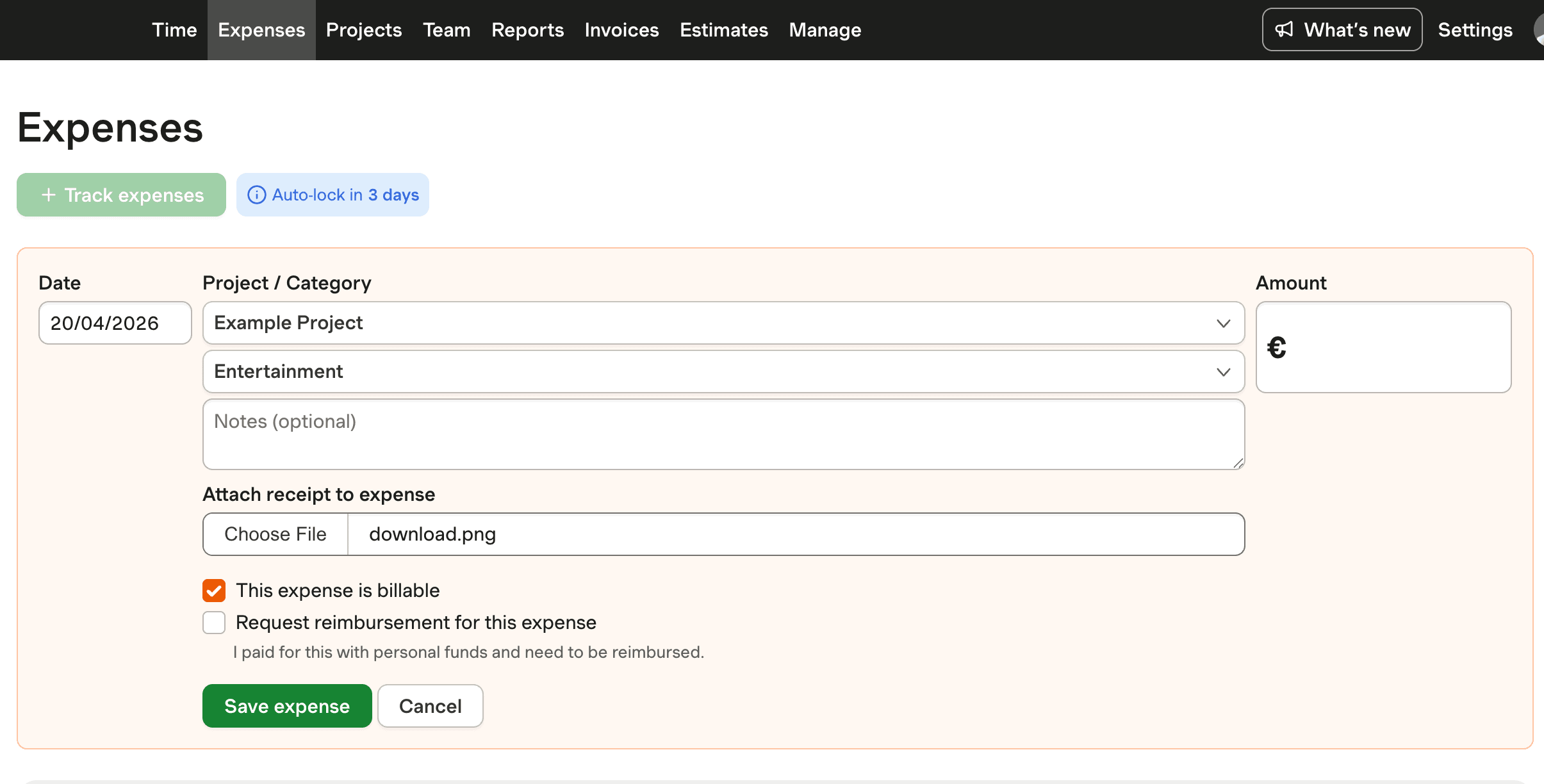
Harvest offers a robust solution for businesses looking to streamline their project-based expense tracking. Although it doesn't specialize in vehicle tracking, Harvest excels in categorizing expenses by type, such as fuel, maintenance, and insurance, which are critical for managing the 33% of car costs typically spent on fuel alone. This functionality allows businesses to create custom categories tailored to their unique needs, providing clarity and control over spending.

By utilizing Harvest's detailed reporting capabilities, businesses can filter expenses by category, gaining insights into their financial data. While Harvest does not track multiple vehicles separately, it allows for the assignment of expenses to specific projects, facilitating effective budget management. This feature can be particularly beneficial for small businesses where project-based tracking aligns with their operational needs, offering a comprehensive view of how vehicle-related expenses impact overall project costs.

Maximizing Tax Compliance and Efficiency

Maintaining compliance with tax regulations is a critical aspect of car expense tracking, especially in light of stringent IRS requirements. Proper documentation, including detailed mileage logs and receipts, is essential to avoid audits and penalties. Failure to comply can result in reimbursed amounts being taxed, impacting both employees and employers financially.

While Harvest does not integrate directly with tax deduction tools, it provides a platform for tracking mileage expenses manually. Users can assign a unit price to mileage expenses, ensuring that all travel-related costs are accurately documented. For businesses, integrating Harvest with broader financial systems can streamline operations, ensuring compliance with IRS guidelines, and potentially leading to significant cost savings. Implementing a structured tracking process with regular reviews and consultations with tax professionals can further enhance compliance and efficiency.

The Benefits of Automated Expense Tracking

Automation in expense tracking offers substantial benefits, from reducing administrative burdens to improving data accuracy. For instance, companies have reduced manual expense report review time from six hours to less than one hour per month by adopting automated systems, resulting in savings of 85 hours monthly. Such efficiencies demonstrate the transformative impact of automation on business processes.

Harvest supports this shift by allowing users to categorize expenses automatically, minimizing the risk of errors associated with manual entry. Although it lacks IoT integration for real-time vehicle tracking, Harvest's ability to centralize expense management simplifies financial oversight. This centralized approach helps businesses track spending across projects, identify areas for cost reduction, and enhance overall financial performance. By leveraging Harvest's capabilities, businesses can streamline their expense management processes, achieving greater efficiency and control over their finances.

Best Car Expense Tracking with Harvest

See how Harvest categorizes car expenses like fuel and maintenance, enhancing project-based tracking for businesses.

Harvest app interface showing car expense categorization features.

Best Car Expense Tracking App FAQs

  • When evaluating car expense tracking apps, consider features like expense categorization, mileage tracking, and integration with tax software. Look for apps that offer automation and real-time updates to streamline your tracking process.

  • Harvest allows users to categorize expenses by type, such as fuel and maintenance, providing a clear view of spending. While it doesn't track vehicles separately, it excels in project-based expense management, making it ideal for businesses.

  • Digital tracking reduces errors associated with manual entry, offers greater convenience, and facilitates compliance with tax regulations. Companies have reported significant productivity improvements and time savings with automated tracking solutions.

  • Harvest supports tracking mileage expenses manually with a unit price, ensuring accurate documentation for tax purposes. However, it does not integrate directly with tax deduction tools, so manual entry is required.

  • Categorizing car expenses helps identify spending patterns, optimize budgets, and improve financial management. By understanding costs like fuel, maintenance, and insurance, businesses can make more informed decisions.

  • Automation minimizes manual data entry errors, enhances accuracy, and reduces administrative workloads. Businesses using automated systems have saved over 4,000 hours annually, demonstrating the efficiency gains possible.

  • The IRS requires detailed mileage logs, receipts, and documentation of business purposes to substantiate vehicle expense deductions. Proper record-keeping is essential to avoid audits and ensure compliance.