
Harvest
Expenses
Sign up

Expense Tracker Journal

Harvest simplifies expense tracking and budgeting by integrating expenses into project budgets, saving businesses up to 40% in processing costs.

  • Attach receipts to projects & tasks
  • Turn tracked expenses into client invoices
  • Free 30-day trial, no credit card needed

or drag & drop • Images and PDFs, max 10 MB

The Evolution of Expense Tracking

Expense tracking has transitioned from manual paper-based systems to sophisticated digital solutions, driven by demands for greater accuracy and efficiency. Traditional methods, involving paper receipts and manual approvals, often result in errors and fraud, with the average manual expense costing businesses $27 to $58. With 19% of expense reports containing errors, correcting each can add $52 to the cost. This inefficiency leads to companies losing track of up to 20% of their spending.

In contrast, digital solutions like Harvest provide real-time visibility into spending patterns, allowing businesses to make informed financial decisions. By automating and centralizing expense tracking, businesses can save up to 40% in processing costs, enhance budgeting accuracy, and identify cost-saving opportunities. This real-time data improves cash flow management and forecasting, making it an invaluable tool for modern businesses.
Key Features of an Effective Expense Tracker

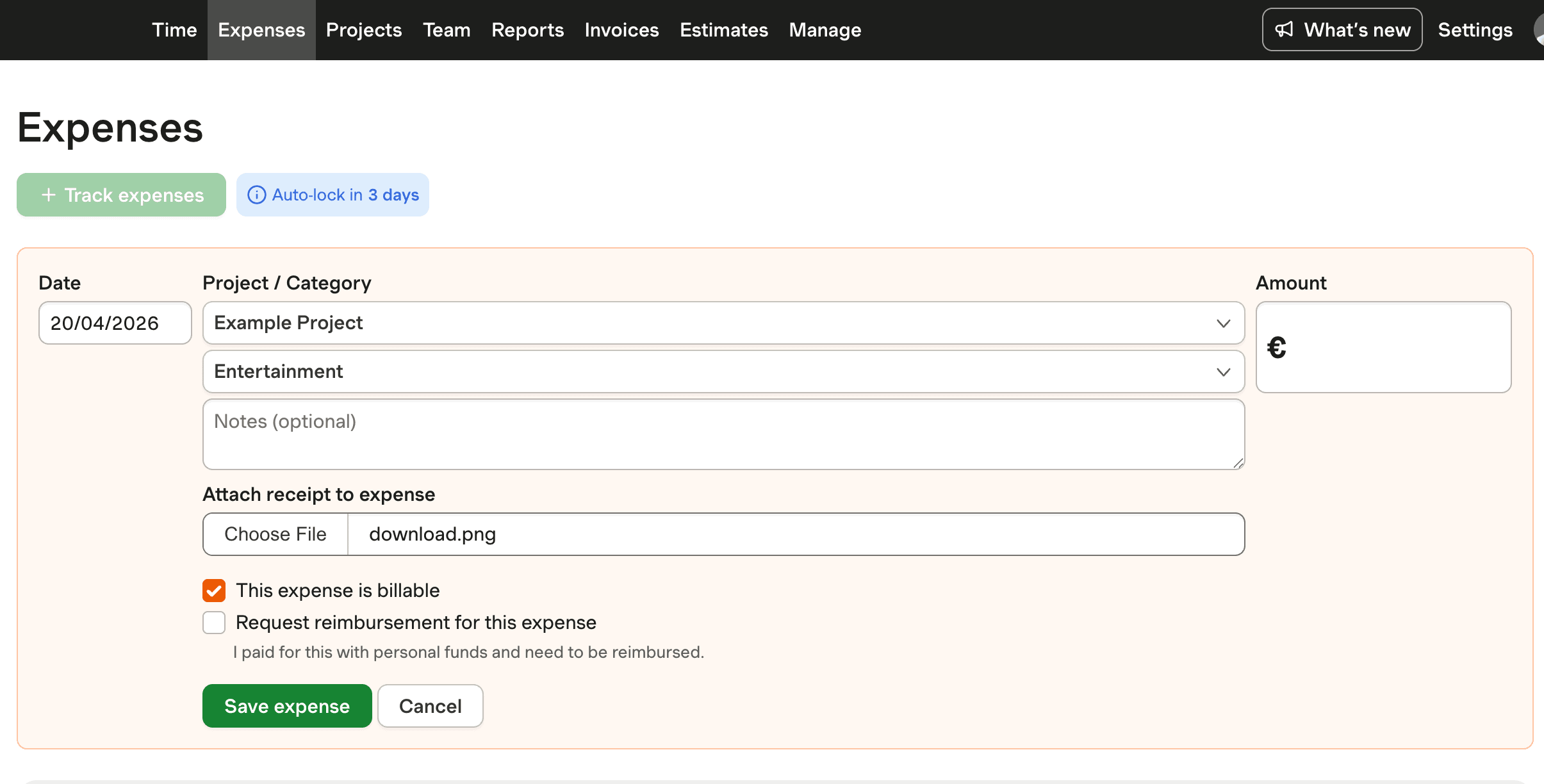
When choosing an expense tracker, certain features are essential for maximizing efficiency and accuracy. A robust expense tracking system should allow tracking by date, project, and category, and enable the uploading of receipt images. It is crucial for businesses to differentiate between billable and non-billable expenses for accurate project costing.

Harvest excels in offering these features, providing a seamless experience for tracking expenses. Users can categorize expenses, mark them as billable, and include them in project budgets. This capability is not just about recording expenses but strategically managing them to optimize financial outcomes. With Harvest, businesses can ensure that every dollar is accounted for, enhancing transparency and financial control.

Budgeting with Harvest's Expense Tracker

Effective budgeting requires a clear understanding of all expenditures. With Harvest, users can incorporate expenses into project budgets using the 'Total project fees' budget type. This integration allows for comprehensive financial planning, ensuring that every aspect of a project is financially accounted for.

Incorporating expenses into project budgets helps businesses stay within financial constraints while optimizing resource allocation. Harvest provides the tools necessary to not only track expenses but also to use them as a part of strategic budgeting. By doing so, businesses can improve their financial forecasting and ensure that projects are completed within budget, reducing the risk of unexpected financial shortfalls.

Integrating Expense Tracking with Business Processes

Integrating expense tracking with other business processes is critical for ensuring seamless workflows. The use of automated systems, like Harvest, minimizes manual data entry, significantly reducing errors and inefficiencies. Manual data entry is prone to errors, which can lead to compliance issues and financial discrepancies.

Harvest's integration capabilities allow for seamless interaction with accounting software, automating the transfer of expense data. This integration simplifies audits, enhances compliance, and provides real-time financial visibility, ensuring that businesses can make informed decisions quickly. By automating these processes, businesses can focus on strategic growth rather than tedious financial management tasks.

Streamline Expense Tracking with Harvest

Discover how Harvest offers project-based expense tracking, receipt uploads, and budgeting tools to optimize financial management.

Harvest expense tracker interface for tracking expenses by project and category.

Expense Tracker Journal FAQs

  • Choosing the right expense tracker journal involves looking for features like tracking by date, project, and category. Consider tools that offer receipt uploads and differentiate between billable and non-billable expenses. Harvest provides these essential features, making it a top choice for efficient expense management.

  • Real-time expense tracking is crucial because it provides immediate insights into spending patterns, helping businesses make timely financial decisions. This visibility enables better cash flow management and accurate budgeting, reducing the risk of overspending and financial shortfalls.

  • Integrating expense tracking with accounting software automates data transfer, reduces manual errors, and provides real-time financial insights. This integration simplifies audits, enhances compliance, and allows businesses to make informed financial decisions quickly.

  • Harvest helps in budgeting by allowing users to include expenses in project budgets using the 'Total project fees' budget type. This ensures comprehensive financial planning and helps businesses stay within budget while optimizing resource allocation.

  • Common mistakes include mixing personal and business expenses, failing to record receipts, and relying on manual data entry. Using digital solutions like Harvest can mitigate these issues by automating receipt capture and integrating with accounting systems.

  • Businesses can reduce expense management costs by automating processes, which can cut costs by up to 40%. Tools like Harvest offer automated tracking, receipt uploads, and integration with accounting software, streamlining the entire process and reducing manual workload.

  • Categorizing expenses correctly is vital for accurate financial insights and avoiding missed deductions. Consistent categories like office supplies, travel, and marketing help in tracking spending patterns and optimizing budgeting strategies.