
Harvest
Expenses
Sign up

Corporate Expense Card

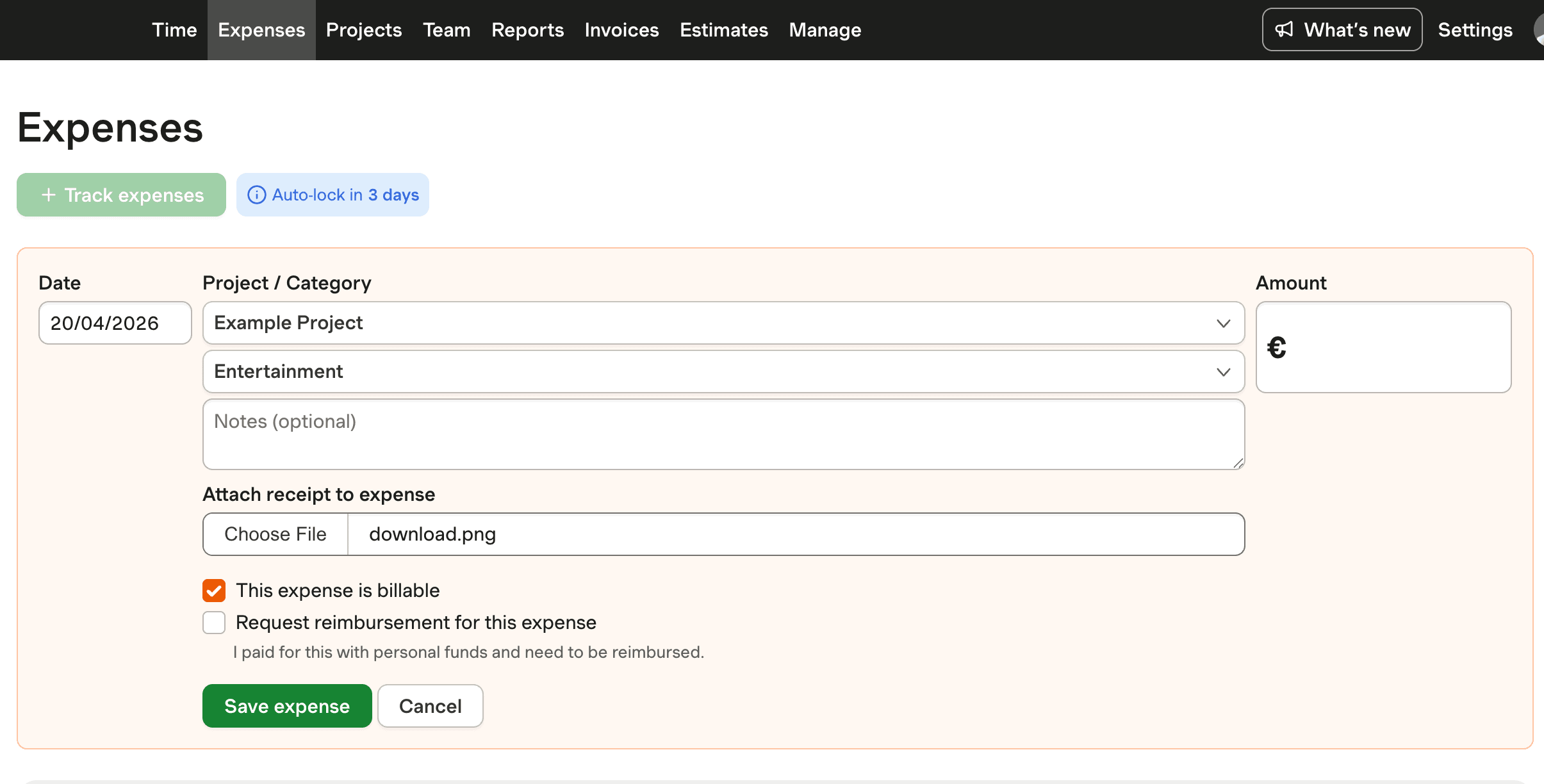
Harvest offers a straightforward expense tracking solution, ideal for businesses preferring manual control over automated expense management.

  • Attach receipts to projects & tasks
  • Turn tracked expenses into client invoices
  • Free 30-day trial, no credit card needed

or drag & drop • Images and PDFs, max 10 MB

Understanding the Benefits of Corporate Expense Cards

Corporate expense cards offer businesses enhanced control, visibility, and efficiency in managing expenses. These cards are not just payment tools but are integrated financial management solutions. As of 2023, commercial card spending exceeded US$4 trillion, reflecting an 8% growth and highlighting their strategic importance in expense management. The use of digital and virtual cards has surged, with virtual card adoption among U.S. corporations reaching 70% in 2024, up from 55% in 2022.

These cards provide significant cost savings and process efficiencies. Companies using automated expense management systems report a 30-40% reduction in time spent on managing expenses compared to manual systems. Additionally, businesses save approximately $10 per report by automating expense processes, reducing the average processing cost from $35 to about $25 per report.
Integrating Expense Cards with Accounting Systems

The integration of corporate expense cards with accounting systems enhances financial oversight and data accuracy. Although manual expense report processing remains prevalent, leading to compliance challenges, integrating these cards with accounting systems can mitigate such issues. For instance, only 2% of businesses have integrated expense management software despite increased corporate card usage.

By linking card transactions directly to systems like ERP or general ledger, businesses can automate data flows and eliminate manual entry. This ensures accurate financial reporting and reduces the time spent on reconciliation. Companies with real-time spending visibility report a 5.8% reduction in total spend, showcasing the financial benefits of integration.

Types of Corporate Expense Cards and Their Features

Corporate expense cards come in various forms, each tailored to specific business needs. The most common types include corporate cards, purchasing cards, virtual cards, and ghost cards. Virtual cards, in particular, have seen a 48% increase in usage among SMEs in 2024 due to their enhanced security features and spending controls.

Businesses can implement spending limits, merchant category code (MCC) restrictions, and card expiration dates, especially for virtual cards. These features help ensure adherence to budgets and policies, preventing unauthorized purchases. Industry experts agree that virtual cards redefine B2B payments by offering strong oversight and control.

Optimizing Expense Management with Harvest

While Harvest does not offer corporate card functionalities, it provides a straightforward solution for tracking expenses manually entered by employees. This approach is ideal for businesses that prefer manual control over automated processes. Harvest allows expenses to be categorized by project, enabling businesses to maintain an organized expense structure.

Harvest integrates with invoicing tools, allowing businesses to track expenses alongside billing. Although it doesn’t provide real-time visibility into spending, the ability to sync invoices with QuickBooks Online and Xero offers a degree of financial integration. This setup can be particularly useful for small businesses seeking a simple, manual approach to expense management.

Explore Harvest for Expense Management

See how Harvest helps manage expenses manually, offering integration with invoicing tools for a streamlined approach.

Harvest expense tracking for corporate expenses

Corporate Expense Card FAQs

  • Corporate expense cards offer enhanced control, visibility, and efficiency in managing business expenses. They can lead to significant cost savings, with automated systems reducing expense management time by 30-40%.

  • Corporate expense cards can integrate with accounting systems, automating data flows and ensuring accurate financial reporting. This reduces manual entry and enhances real-time visibility into spending.

  • There are several types of corporate expense cards including corporate cards, purchasing cards, virtual cards, and ghost cards. Each type serves different business needs and offers various features like spending controls and security options.

  • Key features to look for include spending limits, merchant category code (MCC) restrictions, integration capabilities with accounting software, and enhanced security measures such as virtual cards.

  • Corporate expense cards offer more control and integration capabilities than traditional credit cards. They are designed for business use, providing features like detailed reporting and spending controls that are not typically available with personal credit cards.

  • Harvest integrates with QuickBooks Online and Xero, allowing businesses to sync invoices and maintain financial oversight. This integration facilitates tracking expenses alongside billing, providing a cohesive financial view.