
Harvest
Expenses
Sign up

Corporate Credit Card Expense Reporting

Harvest enables small-to-medium businesses to manage project-based expenses efficiently, avoiding the high costs of manual reporting.

  • Attach receipts to projects & tasks
  • Turn tracked expenses into client invoices
  • Free 30-day trial, no credit card needed

or drag & drop • Images and PDFs, max 10 MB

The Challenges of Corporate Credit Card Expense Reporting

Corporate credit card expense reporting is a crucial aspect of financial management for businesses, yet it is often fraught with challenges. Manual processes can lead to inefficiencies, with the average cost of processing a single expense report manually reaching $58, and taking an employee about 20 minutes to complete. Additionally, errors occur in approximately 19% of these reports, requiring an extra 18 minutes and $52 for corrections, which emphasizes the need for streamlined solutions.

Automation stands out as a solution, offering a 67% reduction in processing times and bringing the cost down to $10 per report. Despite this, many companies still rely on outdated methods, with only 39-47% using dedicated expense management software. The increase in corporate card usage, reported by 46% of businesses, further complicates compliance and visibility when manual tracking methods like spreadsheets are still prevalent.
How Harvest Simplifies Expense Tracking

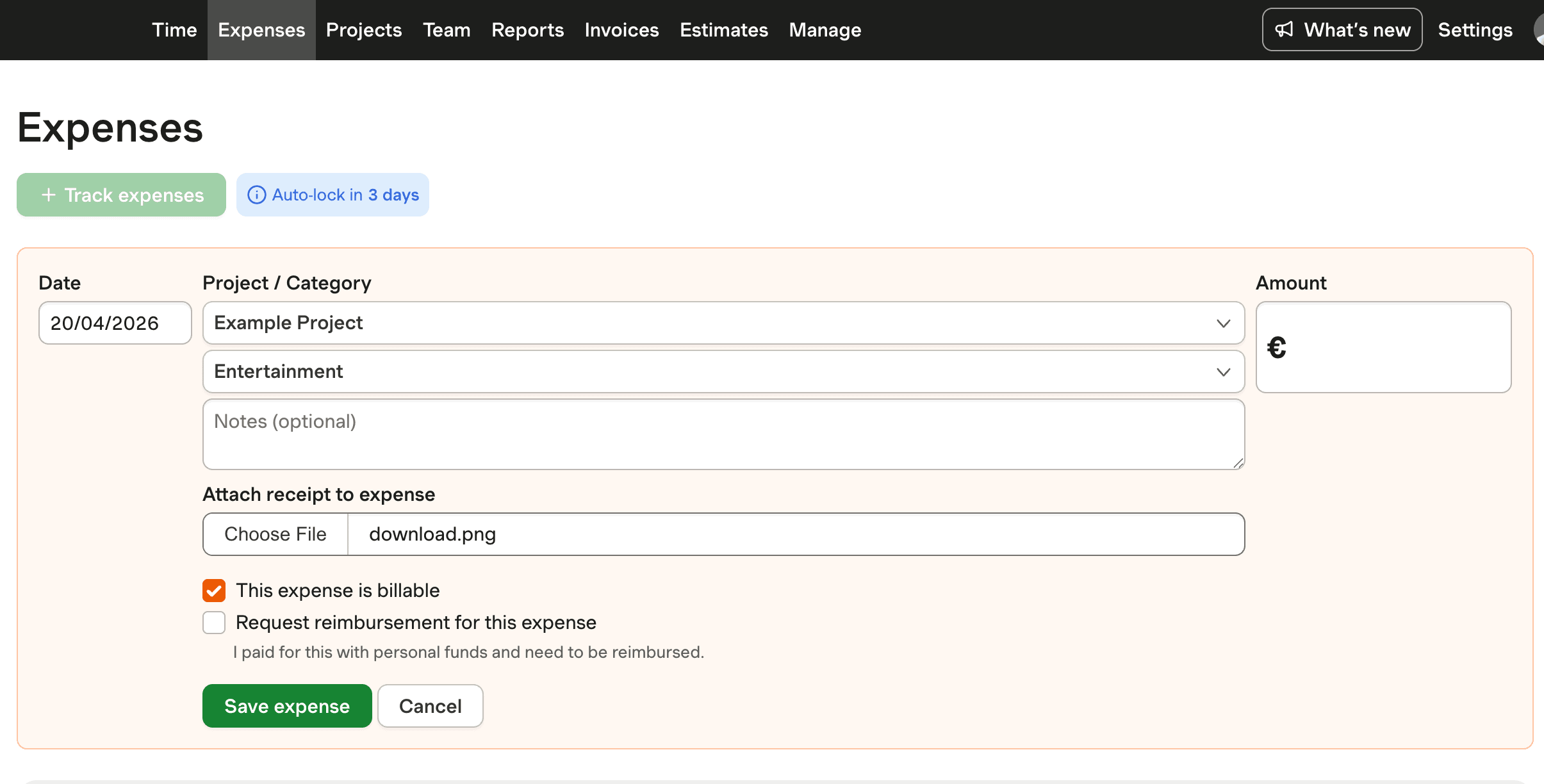
For small-to-medium businesses, Harvest offers a straightforward way to manage project-based expenses effectively. While it does not provide automated policy enforcement or real-time visibility into spending, Harvest allows users to track expenses by date, project, and category. This manual approach can still provide the necessary insights to ensure financial accuracy and control.

Harvest integrates with QuickBooks Online and Xero, facilitating the copying of invoices and simplifying financial management. Although it doesn't support seamless reconciliation of expenses, this integration can help businesses maintain accurate records without the full overhead of more complex systems, making it ideal for teams that prefer a straightforward, manual approach.

Best Practices for Corporate Credit Card Expense Reporting

Implementing effective corporate credit card expense reporting requires a strategic approach. Businesses are encouraged to digitize receipt capture, automatically categorize expenses, and establish clear approval workflows. This step-by-step automation can drastically reduce the time and effort involved in managing expenses, ensuring faster reimbursement and better financial oversight.

To avoid common pitfalls, companies should ensure their expense policies are clear and well-communicated. Utilizing mobile apps for instant receipt capture and integrating expense tracking with accounting systems can help eliminate manual entry errors. By doing so, companies can achieve a 42% improvement in accuracy, leveraging AI and machine learning to enhance compliance and reduce fraud risks.

Enhancing Compliance and Reducing Fraud

Compliance is a cornerstone of corporate credit card expense reporting. Automated systems can enhance compliance by flagging discrepancies and out-of-policy expenses, which reduces instances of fraud and policy violations. Companies can lose up to 5% of revenue annually due to expense fraud, highlighting the necessity of robust systems that prevent such losses.

Harvest, while not offering automated fraud detection, allows for manual expense entry and approval, ensuring that every transaction is scrutinized. For companies looking to enforce policies manually without the complexities of advanced systems, Harvest provides a reliable platform to track and manage expenses effectively.

Corporate Credit Card Expense Reporting with Harvest

See how Harvest helps manage corporate credit card expenses efficiently, focusing on project-based tracking and cost reduction.

Harvest interface showing corporate credit card expense tracking features.

Corporate Credit Card Expense Reporting FAQs

  • Best practices include automating receipt capture, categorizing expenses, and implementing clear approval workflows. This streamlines expense management and improves compliance.

  • Automation can be achieved by using mobile apps for receipt capture and software that auto-categorizes expenses. This reduces processing times by up to 67% and increases accuracy.

  • Strong policies should include clear spending limits, defined categories for expenses, and guidelines for receipt submission. These help ensure compliance and reduce fraud.

  • Compliance can be ensured by using automated systems to flag out-of-policy expenses and conducting regular audits. This minimizes fraud and aligns spending with company policies.

  • There are various tools available, ranging from comprehensive expense management software to simpler solutions like Harvest for project-based expense tracking.

  • Harvest allows businesses to track expenses by date, project, and category, providing a manual yet effective way to manage project-specific expenses.

  • Yes, Harvest integrates with QuickBooks Online and Xero, facilitating invoice copying and maintaining accurate financial records.