
Harvest
Expenses
Sign up

Equipment Expense Tracker

Harvest provides a seamless way to track and categorize equipment expenses, ensuring small-to-medium businesses can efficiently manage project costs and improve financial reporting.

EXPENSE REPORT DRAFT

Drop your receipts here or click to upload

Images and PDFs (max 10 MB each)

Date
Category
Merchant
Description
Amount
Total
$0.00

Customise report

Appearance

Show report title

Report settings

The Need for Effective Equipment Expense Tracking

Effective equipment expense tracking is essential for businesses aiming to optimize their asset management and reduce unnecessary costs. With advancements in technology such as the Industrial Internet of Things (IIoT) and AI, businesses can now leverage real-time data to make informed decisions about equipment usage and maintenance. For instance, structured equipment lifecycle management (ELM) practices have led to a 30% reduction in maintenance costs and a 25% increase in equipment uptime. These improvements demonstrate the significant impact of proactive expense tracking on overall business efficiency.

However, many businesses still struggle with manual tracking methods, which often lead to errors and inefficiencies. Manual systems can result in a 25% increase in direct asset loss costs and wasted time on data entry. To overcome these challenges, businesses need a robust solution that enables detailed categorization and analysis of equipment expenses, allowing for better forecasting and strategic resource allocation.
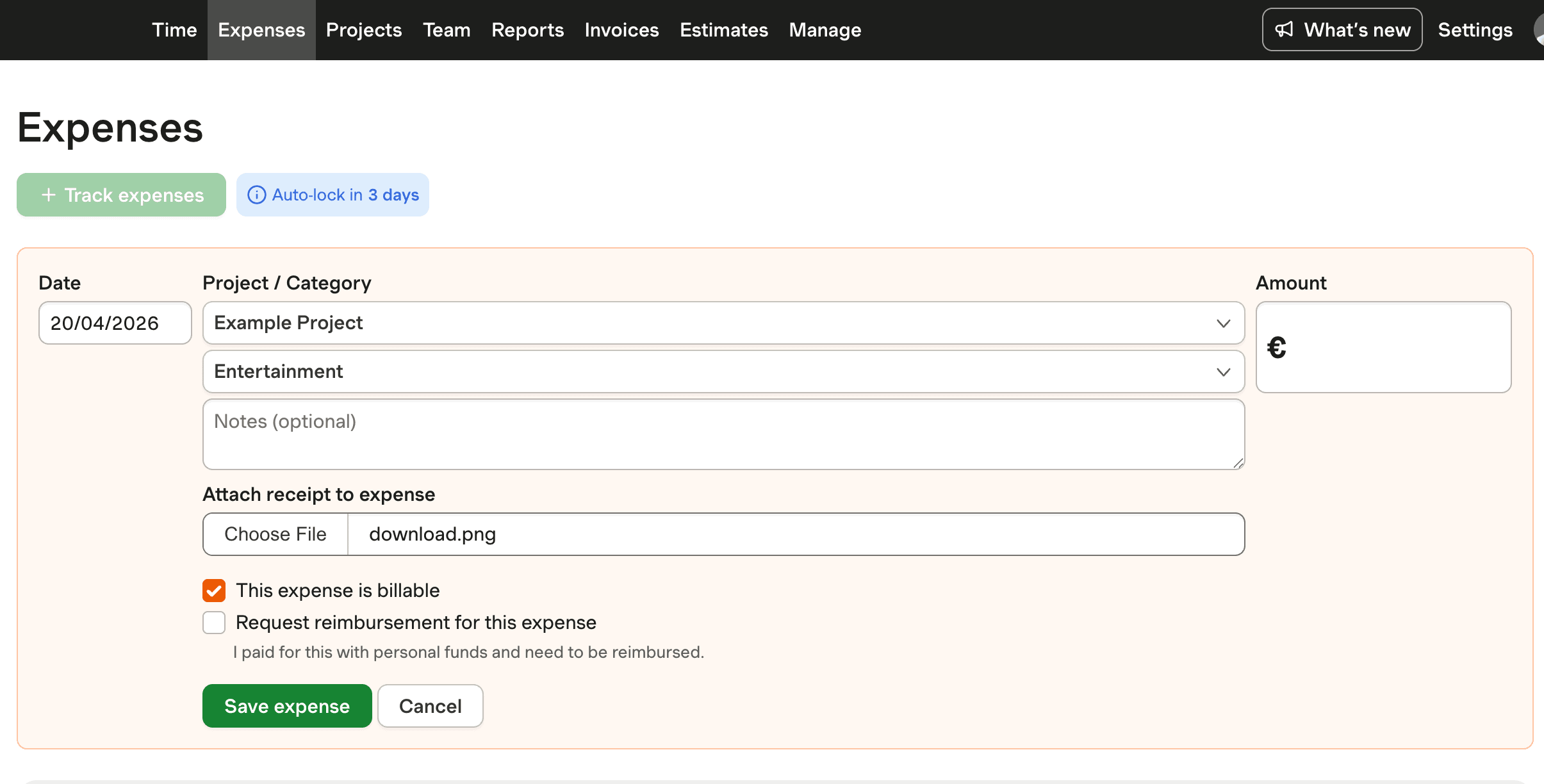
Harvest: Simplifying Equipment Expense Categorization

Harvest offers a streamlined solution for categorizing and managing equipment expenses, ideal for small-to-medium businesses seeking to maintain control over project costs. By allowing users to create custom expense categories, businesses can easily track expenses related to machinery, tools, and vehicles. This level of detail is crucial for understanding where funds are being allocated and identifying potential areas for cost savings.

Furthermore, Harvest enables users to distinguish between billable and non-billable expenses, ensuring that client invoices accurately reflect the costs incurred. This functionality not only supports accurate billing but also enhances transparency with clients, fostering trust and long-term relationships. By using Harvest, businesses can efficiently manage their equipment expenses, contributing to more accurate financial reporting and strategic planning.

Analyzing Equipment Expenses to Identify Cost-Saving Opportunities

Harvest empowers businesses to generate detailed expense reports, allowing for comprehensive analysis of equipment-related costs. These reports can reveal patterns and trends that might indicate inefficiencies or opportunities for cost reduction. For example, businesses leveraging telematics data have reported a reduction in fuel costs by 12-14% through improved idle management, showcasing the potential savings from data-driven decisions.

By regularly reviewing expense reports generated by Harvest, businesses can identify underutilized assets, optimize equipment usage, and make informed decisions about future purchases or disposals. This proactive approach not only minimizes unnecessary expenses but also contributes to the longevity and efficiency of equipment usage, ultimately supporting the business's bottom line.

Setting and Monitoring Budget Limits with Harvest

Another key feature of Harvest is its ability to set and monitor budget limits for projects, including those involving equipment expenses. This functionality ensures that businesses remain within their financial constraints, preventing overspending and supporting financial discipline. By tracking equipment expenses in real-time against set budgets, businesses can quickly identify any potential overages and take corrective action before costs spiral out of control.

Having clear budget limits facilitates better financial planning and enhances accountability within teams. It also enables businesses to align their spending with strategic goals, ensuring that resources are allocated efficiently. With Harvest, businesses can maintain a clear overview of their equipment expenses and project budgets, promoting financial health and operational success.

Track Equipment Expenses with Harvest

Harvest offers an intuitive dashboard for managing and categorizing equipment expenses, ideal for business cost control.

Harvest dashboard showing equipment expense tracking features.

Equipment Expense Tracker FAQs

  • To categorize equipment expenses effectively, use a system that allows custom categorization, like Harvest. You can create categories for machinery, tools, and vehicles, enabling detailed tracking and analysis of expenses. This helps in identifying spending patterns and areas for cost savings.

  • When selecting an equipment expense tracking tool, look for features like detailed categorization, real-time expense tracking against budgets, and the ability to mark expenses as billable or non-billable. Harvest provides these capabilities, making it a robust choice for managing equipment expenses.

  • To report equipment expenses for tax purposes, maintain detailed records of all related costs, categorized appropriately. Using tools like Harvest can simplify this process by generating comprehensive expense reports, which can aid in accurate financial reporting and compliance.

  • Yes, Harvest can help identify cost-saving opportunities by generating detailed expense reports. These reports allow businesses to analyze equipment expenses, uncover inefficiencies, and make informed decisions to optimize spending and reduce costs.

  • Harvest allows users to mark equipment expenses as either billable or non-billable, ensuring that client invoices accurately reflect the costs incurred. This feature supports clear financial reporting and accurate billing practices.

  • Setting budget limits for equipment expenses is crucial for financial discipline and avoiding overspending. Harvest facilitates this by allowing businesses to set and monitor budget limits, ensuring spending aligns with strategic goals and financial constraints.

  • Proactive maintenance, supported by real-time data, helps prevent costly breakdowns and extends equipment lifespan. This approach can lead to a 30% reduction in maintenance costs and improved equipment uptime, highlighting the importance of integrating maintenance strategies into expense tracking.