
Harvest
Expenses
Sign up

Executor Expense Tracker

Harvest empowers executors to accurately track and manage estate-related expenses, ensuring transparency and compliance without the hassle of complex systems.

  • Attach receipts to projects & tasks
  • Turn tracked expenses into client invoices
  • Free 30-day trial, no credit card needed

or drag & drop • Images and PDFs, max 10 MB

Why Accurate Executor Expense Tracking Matters

Accurate executor expense tracking is crucial in estate administration, as it ensures transparency, compliance, and fair compensation. Executors often face the challenge of managing a diverse range of expenses, from funeral costs to ongoing utility bills. The probate and estate settlement process can cost approximately $14,000 on average, making efficient expense management essential to minimize costs and avoid errors. Common pitfalls include omitting the purpose of an expense or consolidating all payments without proper categorization, which can lead to disorganization and increased costs.

To mitigate these challenges, executors must maintain detailed records and utilize digital tools. This growing trend not only enhances accountability but also reduces the risk of legal repercussions. For example, in California, probate courts require detailed documentation of transactions, including dates, payment methods, and descriptions. By adopting systematic approaches and digital solutions, executors can streamline the process, ensuring all expenses are accounted for and justified, ultimately reducing the financial burden on the estate.
How Harvest Simplifies Executor Expense Management

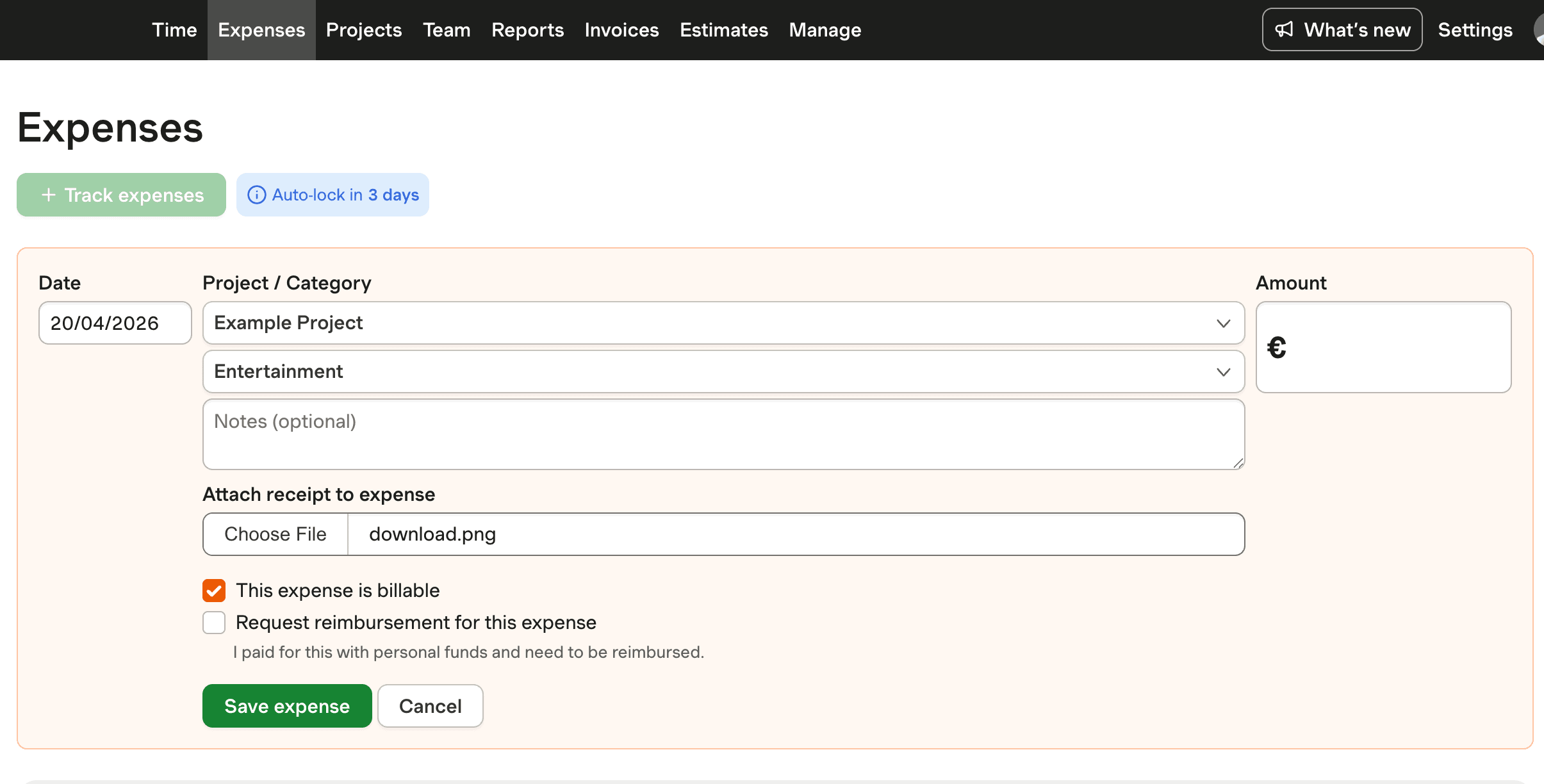
Harvest offers a comprehensive solution for executors needing to track expenses efficiently and accurately. Executors can easily categorize expenses, such as travel costs, by project and date, thus managing their financial responsibilities with precision. This feature is particularly beneficial for executors who need to keep detailed records for court approvals, as Harvest allows them to upload images or PDFs of receipts, ensuring all necessary documentation is readily available.

By using Harvest, executors can avoid the common mistake of commingling personal funds with estate funds. Harvest's project-based categorization ensures that all transactions are clearly documented and easily accessible, which is crucial when preparing final accountings for court or beneficiary review. This capability not only simplifies the process but also enhances transparency and accountability in estate administration.

Maintaining Compliance with Executor Expense Documentation

Maintaining compliance with executor expense documentation is a legal obligation that requires meticulous record-keeping. In the UK, executors must produce comprehensive estate accounts for beneficiaries and HMRC. Similarly, US probate courts demand detailed transaction records. Failure to comply with these requirements can result in significant penalties, including removal as executor or financial surcharges.

To ensure compliance, executors should adhere to a systematic process of recording expenses. This includes noting the exact date, payment method, payee, amount, and description of each payment. Digital tools like Harvest can significantly aid in this task by providing a centralized platform for storing and organizing these records. By leveraging such tools, executors can efficiently prepare for court-ordered accountings and avoid potential disputes with beneficiaries.

Practical Steps for Effective Expense Tracking

Effective expense tracking requires a strategic approach to documentation and organization. Executors should begin by opening a dedicated estate bank account to prevent the commingling of personal and estate funds. This step is crucial for maintaining clear financial boundaries and avoiding legal complications.

Harvest can assist executors in creating detailed income and expense reports, which simplify the preparation of final accountings. Utilizing features like categorization and receipt uploads, executors can maintain accurate records while ensuring all expenses are properly documented for reimbursement purposes. Additionally, employing digital tools to create electronic copies of receipts and storing them securely can further streamline the process, reducing the risk of lost or misplaced documentation.

Track Executor Expenses with Harvest

See how Harvest helps executors track and manage estate-related expenses with ease, ensuring accurate record-keeping and compliance.

Executor expense tracking interface in Harvest.

Executor Expense Tracker FAQs

  • An executor can charge reasonable and necessary expenses incurred during estate administration to the estate. This includes costs like funeral expenses, legal fees, and administrative costs. However, it's crucial to maintain detailed records and receipts, as unsupported claims may be challenged by beneficiaries.

  • Harvest aids executors by allowing them to categorize expenses, track travel costs, and upload receipts. This ensures all transactions are well-documented and easily accessible, simplifying the preparation of final accountings and ensuring transparency.

  • Opening a dedicated estate bank account is essential to prevent the commingling of personal and estate funds. This helps maintain clear financial records and avoids potential legal issues, ensuring all estate transactions are accurately tracked and reported.

  • Digital tools like Harvest improve executor record-keeping by providing centralized platforms for tracking expenses, uploading receipts, and categorizing transactions. This enhances transparency and accountability, reducing the risk of errors and disputes.

  • Poor record-keeping can lead to increased estate costs, legal penalties, and disputes with beneficiaries. Accurate documentation is crucial to demonstrate compliance with court requirements and ensure fair executor compensation.

  • Harvest can help executors compile detailed expense records and reports by categorizing transactions and organizing receipts. While it does not generate legal documents, it simplifies the process of preparing information for court-ordered accountings.

  • Categorizing executor expenses helps maintain clear and organized financial records, ensuring all transactions are easily traceable. This is vital for preparing final accountings and demonstrating compliance during estate administration.