
Harvest
Expenses
Sign up

Expense Tracker App

Harvest is a robust expense tracker app that simplifies managing personal expenses and budgets. With features like project tracking and receipt uploads, it's ideal for small-to-medium businesses.

  • Attach receipts to projects & tasks
  • Turn tracked expenses into client invoices
  • Free 30-day trial, no credit card needed

or drag & drop • Images and PDFs, max 10 MB

The Evolution of Expense Tracker Apps

Expense tracker apps have transformed financial management, evolving from manual paper-based methods to sophisticated mobile applications. The market for these apps is booming, projected to grow from USD 7.15 billion in 2024 to USD 14.44 billion by 2030, with a CAGR of 12.3%. This growth is fueled by technological advancements and a rising emphasis on personal and business financial management. Mobile-first solutions are at the forefront, with 54% of expense report submissions in 2021 being made via mobile apps, a trend expected to reach 75% by 2025.

Modern expense tracker apps, including Harvest, integrate AI for tasks like receipt scanning and categorization, reducing errors and saving time. These features are essential as more businesses and individuals migrate to cloud-based systems, benefiting from real-time access and enhanced security. Notably, 88% of users find budgeting apps helpful, and 80% engage with them at least once a week, underscoring the value these tools bring to efficient financial management.
Key Features of Effective Expense Tracker Apps

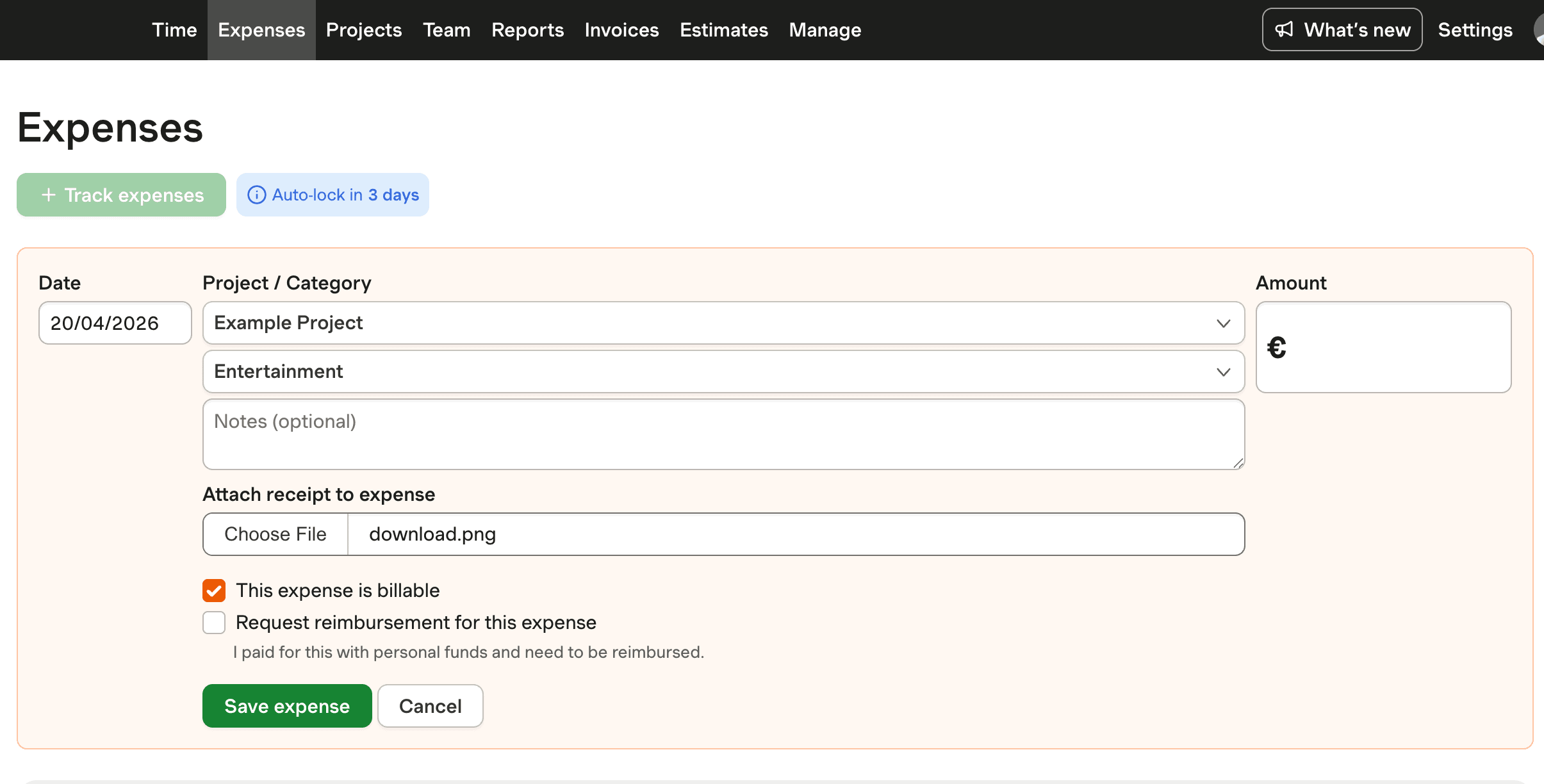
When searching for the best expense tracker app, look for features that enhance usability and efficiency. Important features include the ability to track expenses by project and category, upload receipt images, and mark expenses as billable or non-billable. Harvest offers all these capabilities, making it a robust choice for individuals and teams alike.

In addition to these features, usability is crucial. Harvest is recognized for its user-friendly interface on both web and mobile platforms. This ease of use ensures that users can efficiently manage their expenses, whether they are on the go or at their desks. By providing a free 30-day trial, Harvest allows users to explore these features without any initial financial commitment, making it an accessible option for those new to digital expense management.

The Impact of Expense Tracking on Financial Behavior

Effective expense tracking can significantly influence financial behavior by reducing discretionary spending and preventing impulse purchases. Studies show that individuals who actively log their expenses tend to make fewer spontaneous purchases and eliminate wasteful recurring subscriptions. This behavioral shift is critical in achieving long-term financial health.

For businesses, implementing an automated expense tracker like Harvest can lead to substantial cost savings. By identifying areas for cost reduction and providing real-time insights into spending patterns, Harvest enables informed decision-making. Automated systems streamline processes, reduce administrative burdens, and enforce compliance, ultimately supporting strategic financial management.

Legal Compliance and Security in Expense Tracking

Expense tracker apps play a pivotal role in ensuring legal and regulatory compliance. In the US, businesses must adhere to IRS regulations for expense substantiation, which requires detailed record-keeping. Digital tools like Harvest facilitate this by automating data storage and providing audit-ready documentation.

Data privacy is another critical concern. With increasing regulations such as GDPR in the EU and UK, expense tracker apps must prioritize robust data protection measures. Harvest adheres to these standards, ensuring secure data handling and compliance with financial security regulations, thereby reducing financial exposure and penalties for non-compliance.

Real-World Applications of Expense Tracker Apps

Across various industries, expense tracker apps streamline financial processes and provide clearer insights. For example, in the construction industry, managing expenses across multiple job sites is simplified through mobile apps that capture and log expenses on the go. Similarly, healthcare organizations benefit from automated systems that ensure compliance with spending policies and reduce administrative burdens.

In the tech sector, where travel and remote work are common, apps like Harvest help manage diverse expenses by automating approvals and reconciling corporate transactions. Law firms also leverage these tools to differentiate between billable and non-billable expenses, ensuring accurate client billing. Whether in legal, tech, or construction, Harvest delivers the tools necessary for effective expense management.

Explore Harvest's Expense Tracker

See how Harvest tracks expenses by project and category. Manage budgets efficiently with receipt uploads and a user-friendly interface.

Harvest dashboard showing expense tracking features and receipt uploads.

Expense Tracker App FAQs

  • Look for apps that offer project and category tracking, receipt uploads, and the option to mark expenses as billable or non-billable. Harvest provides all these features, making it a comprehensive choice.

  • Yes, Harvest offers a free 30-day trial, allowing users to explore its features without any initial cost. This trial period can help you decide if it meets your needs.

  • Expense tracker apps like Harvest ensure data security by adhering to regulations like GDPR, implementing encryption, and regularly updating software to protect user data.

  • Mobile-first expense tracking is crucial as it allows users to log expenses immediately, reducing errors and improving accuracy. By 2025, 75% of businesses are expected to use mobile expense management apps.

  • Apps like Harvest provide real-time insights into spending patterns, enabling businesses to identify cost reduction areas. Automated processes also reduce administrative burdens, allowing for strategic financial management.

  • Industries like construction, healthcare, tech, and legal benefit greatly. These apps streamline expense management, ensure compliance, and improve financial visibility across various sectors.

  • Nearly 80% of budgeting app users engage with them at least weekly. This high engagement reflects their utility in helping users manage finances and reduce discretionary spending.