
Harvest
Time Tracking
Sign up free

Break Calculator for Michigan

Harvest offers a robust solution for teams and freelancers looking to streamline time tracking and invoicing, addressing the common challenge of managing project costs efficiently.

Try Harvest Free

What's your real hourly rate?

Convert between annual salary and hourly rate — adjusted for actual working weeks, hours, and benefits. Compare job offers on equal terms.

$
52 minus vacation and holidays. US average: 49-50 weeks.
20%
Health insurance, 401k match, PTO value. Typical range: 15-30% of salary.
Equivalent hourly rate $0
With benefits value $0
Monthly gross $0
Weekly gross $0
Daily gross $0

Track what your time is worth

Walk through the entire flow below. Start a timer, check your reports, and create a real invoice — all in three clicks.

Go ahead — start tracking!

One click and you're timing. Try it right here: start a timer, add an entry, edit the details. This is exactly how it feels in Harvest.

  • One-click timer from browser, desktop & mobile
  • Works inside Jira, Asana, Trello, GitHub & 50+ tools
  • Duration or start/end — your call
  • Day, week & calendar views to stay on top of it all
  • Friendly reminders so no hour gets left behind
Acme Corp
Website Redesign
Homepage layout revisions
1:24:09
Content Strategy
Blog calendar planning
1:30:00
SEO Audit
Technical audit report
0:45:00
Brand Guidelines
Color system documentation
2:15:00
Logo Concepts
Initial sketches round 1
1:00:00

Understanding Break Laws for Employees in Michigan

In Michigan, understanding break laws is crucial for both employers and employees. A common question is whether lunch breaks are legally required for adult employees. The answer is no; Michigan state law does not mandate breaks for adult workers. However, short breaks lasting between 5 and 20 minutes are considered compensable work hours and must be paid by employers. Conversely, meal periods of 30 minutes or more can be unpaid, provided the employee is entirely relieved of work duties during that time.

For minor employees under 18, the rules differ. They must receive a 30-minute uninterrupted meal or rest period if scheduled to work five or more continuous hours. This regulation ensures that younger workers have adequate time to rest without impacting their wages. Employers should be aware of these distinctions to maintain compliance and avoid potential legal issues.
Key Considerations for Minor Employees

Employers in Michigan need to be particularly mindful of the regulations surrounding minor employees. Minors under 18 face specific restrictions on work hours and break periods. For instance, they can work a maximum of ten hours per day and 48 hours per week when school is not in session. During the school year, their working hours are reduced to 24 per week.

Moreover, minors are required to take a 30-minute break after five continuous hours of work. This break must be uninterrupted to comply with state law. Failure to adhere to these regulations can result in penalties and potential legal action. Therefore, businesses must implement policies that respect these rules to ensure a compliant and supportive work environment for young workers.

Impact of Federal Laws on Break Rules for Nursing Mothers

While Michigan state law does not mandate breaks specifically for nursing mothers, federal regulations under the Fair Labor Standards Act (FLSA) fill this gap. Employers covered by the FLSA must offer reasonable break time and a private space (not a bathroom) for nursing mothers to express breast milk for up to one year after the child's birth. This requirement underscores the importance of supporting working mothers.

For employers with fewer than 50 employees, there is an exemption if compliance creates undue hardship. Despite this, many businesses strive to accommodate nursing mothers by providing the necessary facilities and time. Compliance with these federal standards not only supports employee well-being but also helps avoid potential legal repercussions.

Paid vs. Unpaid Breaks in Michigan

Understanding the distinction between paid and unpaid breaks is essential for employers operating in Michigan. As a general rule, short breaks lasting between 5 to 20 minutes must be paid, as they are considered part of the workday. These breaks help improve employee productivity and satisfaction.

Meal breaks of 30 minutes or more, however, can be unpaid if the employee is free from all work duties during the break. Employers must ensure that employees are not required to perform any tasks during these breaks to qualify them as unpaid. Properly categorizing breaks helps employers stay compliant with labor laws and fosters a fair workplace environment.

Streamline Time Tracking with Harvest

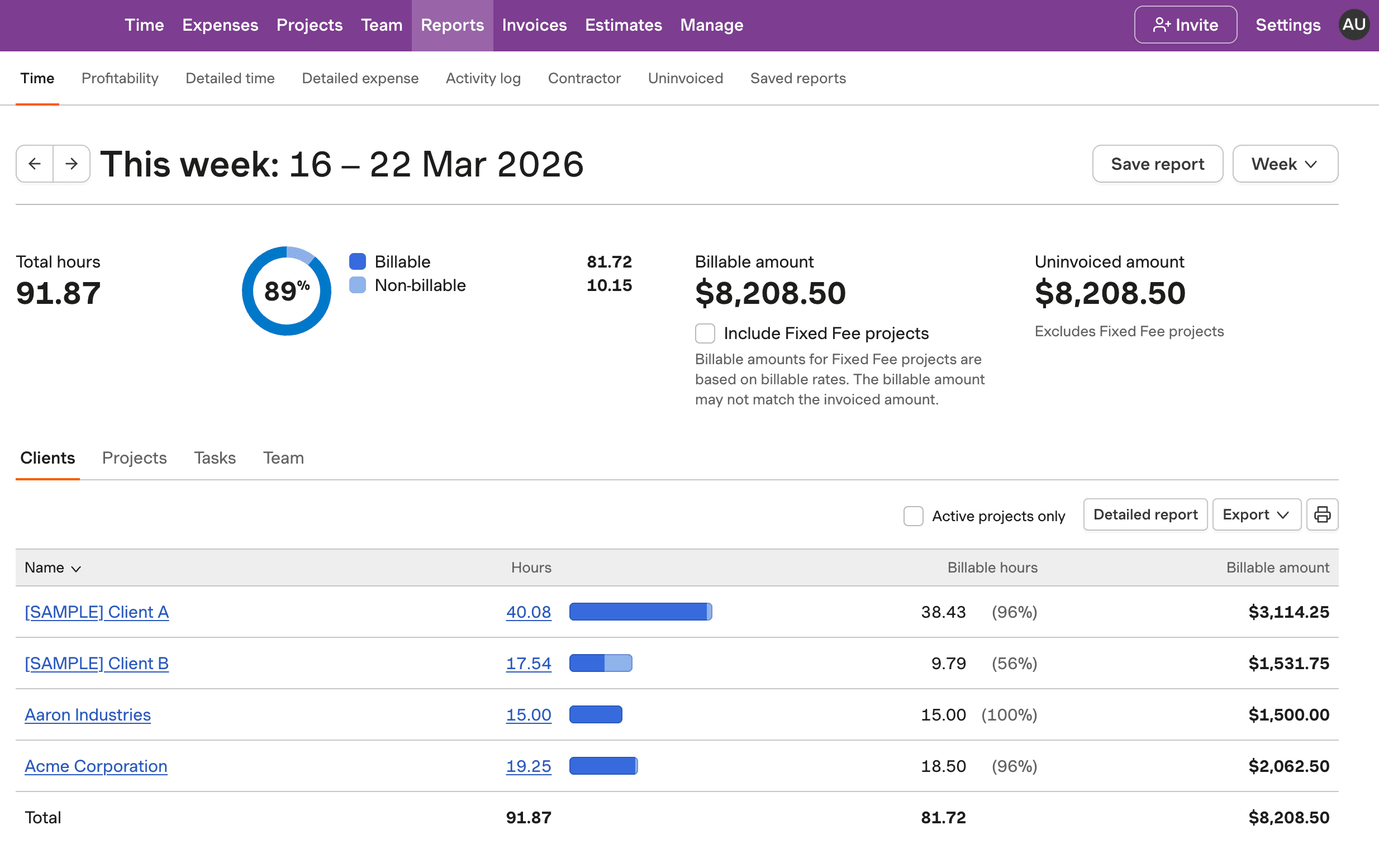
See how Harvest simplifies time tracking and invoicing, helping you manage project costs and billing effectively.

Break calculator interface for Michigan showing tax impact.

Break Calculator for Michigan FAQs

  • Minors must receive a 30-minute uninterrupted meal or rest period if they work five or more continuous hours. This rule ensures young workers have adequate rest.

  • Yes, short breaks lasting 5 to 20 minutes are compensable and must be paid by the employer. These are considered part of the workday.

  • Federal law requires employers to provide reasonable break time for nursing mothers to express milk, along with a private space, for up to one year after childbirth.

  • Yes, meal breaks of 30 minutes or more can be unpaid if the employee is completely relieved of all duties during the break. This time is not considered part of the workday.

  • Minors can work up to 10 hours per day and 48 hours per week when school is not in session. This changes to 24 hours per week during school sessions.

  • Yes, employers can face fines and legal action for non-compliance with federal break laws, such as those for nursing mothers under the FLSA.