Sign up
Understanding Government Contract Expense Tracking Challenges
Expense tracking for government contracts presents unique challenges, primarily due to stringent compliance requirements dictated by federal regulations. The Federal Acquisition Regulation (FAR) Part 31 governs allowable expenses, demanding that costs meet specific criteria such as being reasonable and allocable. Non-compliance can result in severe penalties, including contract termination and financial repercussions. Additionally, maintaining precise records for audit purposes is critical, as timesheets and expense records must be kept for at least three years. For government contractors, the separation of direct and indirect costs is crucial to avoid billing errors and ensure compliance during audits.
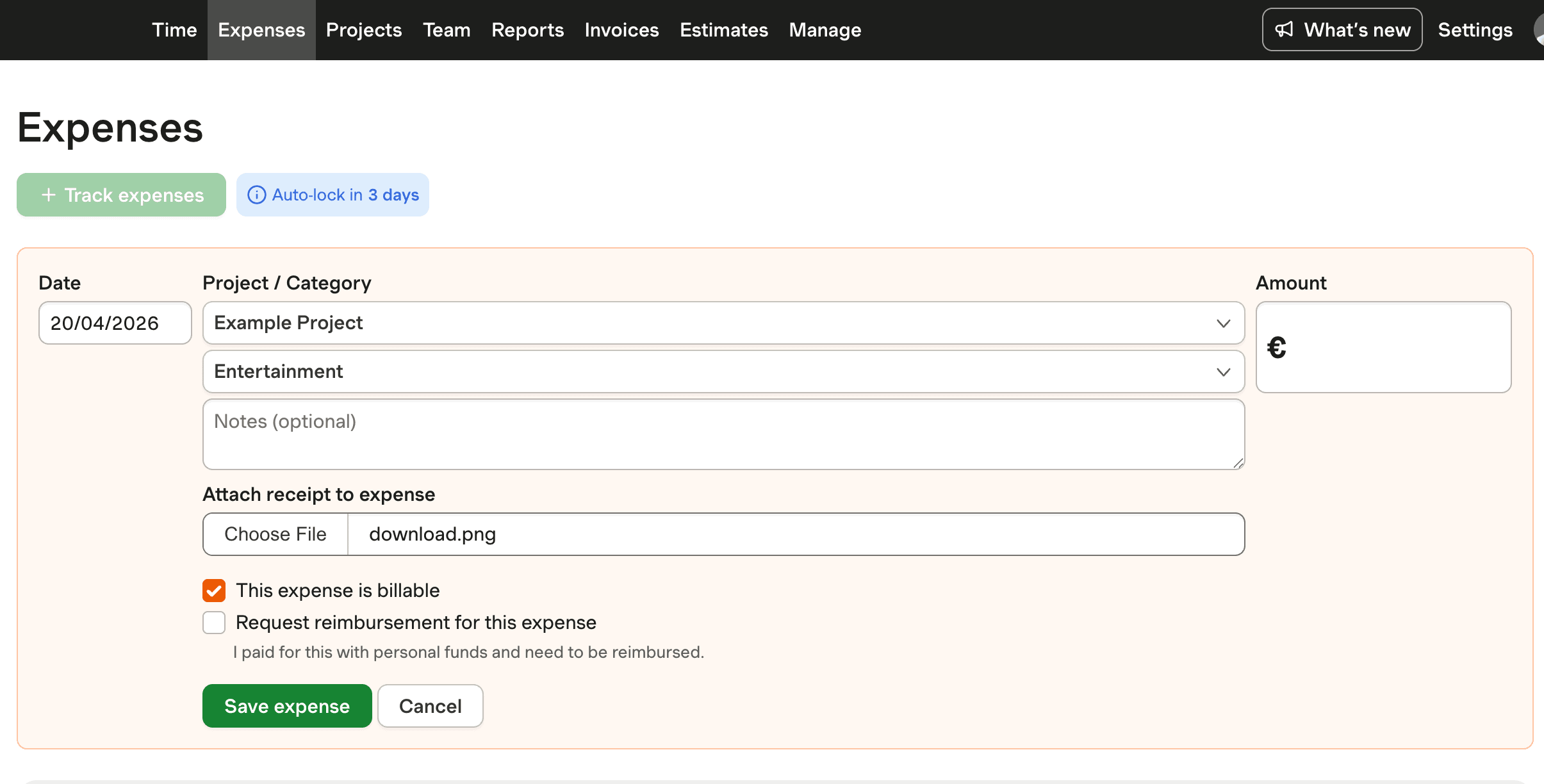
Despite these challenges, automation can significantly streamline expense tracking. Automated expense management platforms have shown to reduce manual data entry errors and cut month-end close processes by nearly 50%. Yet, many organizations still rely on manual systems, spending up to 40 hours a month managing spreadsheets. Harvest addresses these inefficiencies with customizable reporting features, allowing businesses to filter and export data to meet project-specific compliance needs. This capability is essential for small-to-medium businesses looking to simplify project-based expense tracking without the complexities of government compliance.