
Harvest
Expenses
Sign up

Gas Expense Report

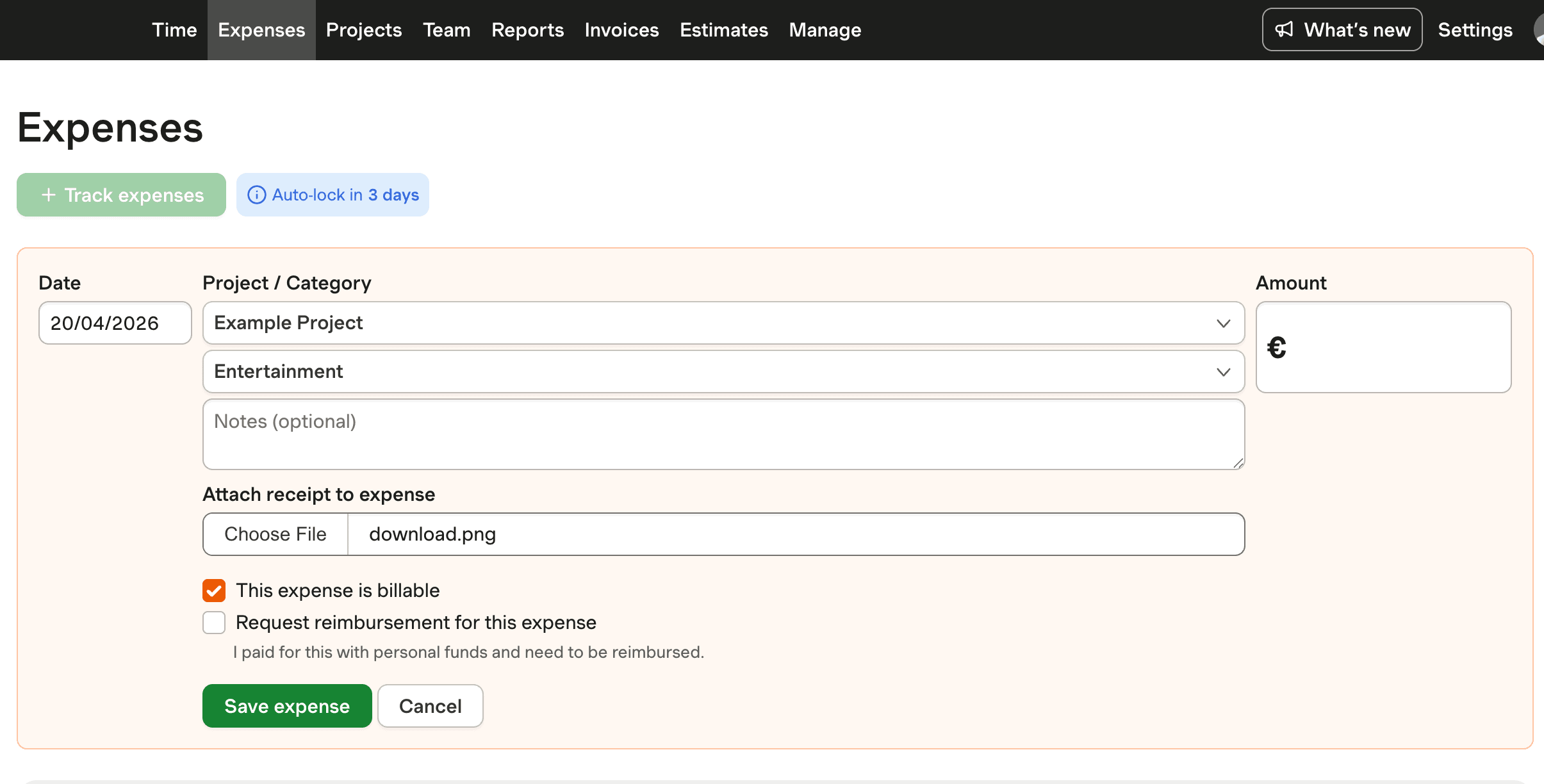
Harvest simplifies project-based expense tracking, allowing businesses to manage additional expenses like parking fees and tolls, enhancing overall cost control.

EXPENSE REPORT DRAFT

Drop your receipts here or click to upload

Images and PDFs (max 10 MB each)

Date
Category
Merchant
Description
Amount
Total
$0.00

Customise report

Appearance

Show report title

Report settings

Understanding Gas Expense Reports

A gas expense report is essential for businesses that need to document fuel-related expenditures accurately. Such reports typically include vehicle details, fuel purchase information, and compliance notes to ensure transparency and accountability. In 2024, the average U.S. household spent about $2,148 annually on gasoline, highlighting the importance of meticulous tracking for both personal and business budgets. For businesses, maintaining accurate records can prevent potential over-reimbursement issues, which industry experts estimate could inflate mileage claims by 10-15%.

Key components of a gas expense report include the date of fuel purchase, amount spent, type of fuel, and odometer readings. While Harvest does not offer specialized fleet management features, it allows teams to categorize expenses like parking fees and tolls, which often accompany fuel costs. This capability ensures that related expenses are accurately attributed and invoiced, keeping financial records precise.
Automate and Simplify Your Expense Tracking

Automating gas expense tracking is becoming a standard practice for efficiency and reducing human error. With 73% of U.S. vehicle owners making spending cutbacks due to rising gas prices, businesses are increasingly adopting automated systems like fuel cards. These systems streamline the expense tracking process by capturing transaction details at the point of sale, thereby reducing manual entry errors and providing real-time data. Fuel cards can consolidate expenses into a single monthly statement, simplifying tax reporting and ensuring compliance.

Although Harvest does not include automated tracking for fuel purchases, it excels in tracking expenses by category, such as parking and tolls, which are often part of travel costs. For businesses looking to integrate these capabilities into their workflow, Harvest provides an intuitive platform that can be linked with other business processes, such as accounting software, to enhance overall expense management.

Navigating Legal and Compliance Requirements

Compliance with legal requirements is crucial when documenting gas expenses. In the U.S., the IRS standard mileage rate for business use is 67 cents per mile as of January 2024. Similarly, in the UK, businesses can claim fuel as a tax-deductible expense, provided journeys are solely for work purposes. Understanding and adhering to these regulations ensures that businesses remain compliant and avoid tax penalties.

While Harvest does not offer automated compliance checks, it facilitates manual approval workflows for expenses, allowing businesses to verify and approve costs in line with company policies. By categorizing expenses accurately, such as separating business from personal travel costs, Harvest supports teams in maintaining compliance with regional tax laws.

Practical Tips for Effective Gas Expense Management

Effective management of gas expenses is crucial for cost control and budgeting. One practical tip is to automate expense tracking with tools like mileage tracker apps, which can reduce manual record-keeping and minimize errors. Keeping detailed records, such as receipts and logs of business trips, is essential for compliance and financial accuracy. In Canada, for example, taxpayers are advised to store these records for up to six years.

Harvest supports these practices by enabling the categorization of various expenses, making it easier to track and report costs accurately. By integrating Harvest with other business systems, companies can streamline their expense management processes, ensuring that all related costs, such as parking and tolls, are accounted for efficiently. This integration helps businesses gain better insights into their spending patterns and improve overall financial management.

Gas Expense Reporting with Harvest

See how Harvest tracks expenses like parking and tolls alongside fuel costs for comprehensive financial management.

Harvest expense tracking dashboard for gas expenses

Gas Expense Report FAQs

  • A gas expense report should include the date and amount of fuel purchases, type of fuel, odometer readings, and any related expenses such as parking fees. Accurate documentation helps in compliance and financial reporting.

  • Automating gas expense tracking can be done using fuel cards or mileage tracker apps. These tools capture transaction details automatically, reducing the need for manual entry and minimizing errors in financial records.

  • Compliance ensures that businesses adhere to tax regulations and avoid penalties. For instance, the IRS mileage rate must be followed for tax deductions. Accurate reporting supports compliance and financial integrity.

  • Harvest allows businesses to track and categorize expenses such as parking fees and tolls, aiding in precise financial management. It integrates with other business systems to streamline expense reporting processes.

  • Automate tracking, maintain detailed records, and categorize expenses accurately. Integrating with business systems like Harvest can improve expense management and provide insights into spending patterns.

  • Businesses ensure compliance by adhering to regional tax regulations, maintaining accurate records of trips and expenses, and using software like Harvest to approve and categorize expenses according to company policies.

  • Fuel cards automate the tracking of fuel expenses, providing detailed transaction records and simplifying tax reporting. They help reduce manual errors and offer real-time insights into fuel usage.

  • Harvest enhances expense management by allowing the categorization of various expenses, integrating with accounting systems, and providing tools for detailed reporting, ensuring accurate financial oversight.