
Harvest
Expenses
Sign up

Expense Tracker for Startups

Harvest helps startups tackle financial mismanagement, a leading cause of failure, by offering project-based expense tracking with seamless accounting integration.

  • Attach receipts to projects & tasks
  • Turn tracked expenses into client invoices
  • Free 30-day trial, no credit card needed

or drag & drop • Images and PDFs, max 10 MB

The Importance of Automated Expense Tracking for Startups

Effective expense management is crucial for startup success. Startups often fail due to financial mismanagement, with 38% running out of money because of poor financial oversight. In fact, 82% of businesses that ceased operations in 2023 did so because they couldn't manage their finances effectively. Manual expense tracking can be a significant bottleneck, leading to errors and inefficiencies that can derail growth.

Automated expense management tools are becoming essential for startups. They reduce the administrative burden by capturing receipts digitally and providing real-time tracking of expenses. This not only helps in minimizing errors but also saves significant time and resources. For instance, manual expense processes can cost between $27 to $58 per expense, while errors in reports can add an additional $52 to correct. Automation helps startups avoid these costs and focus on strategic growth.
How Harvest Simplifies Expense Tracking for Startups

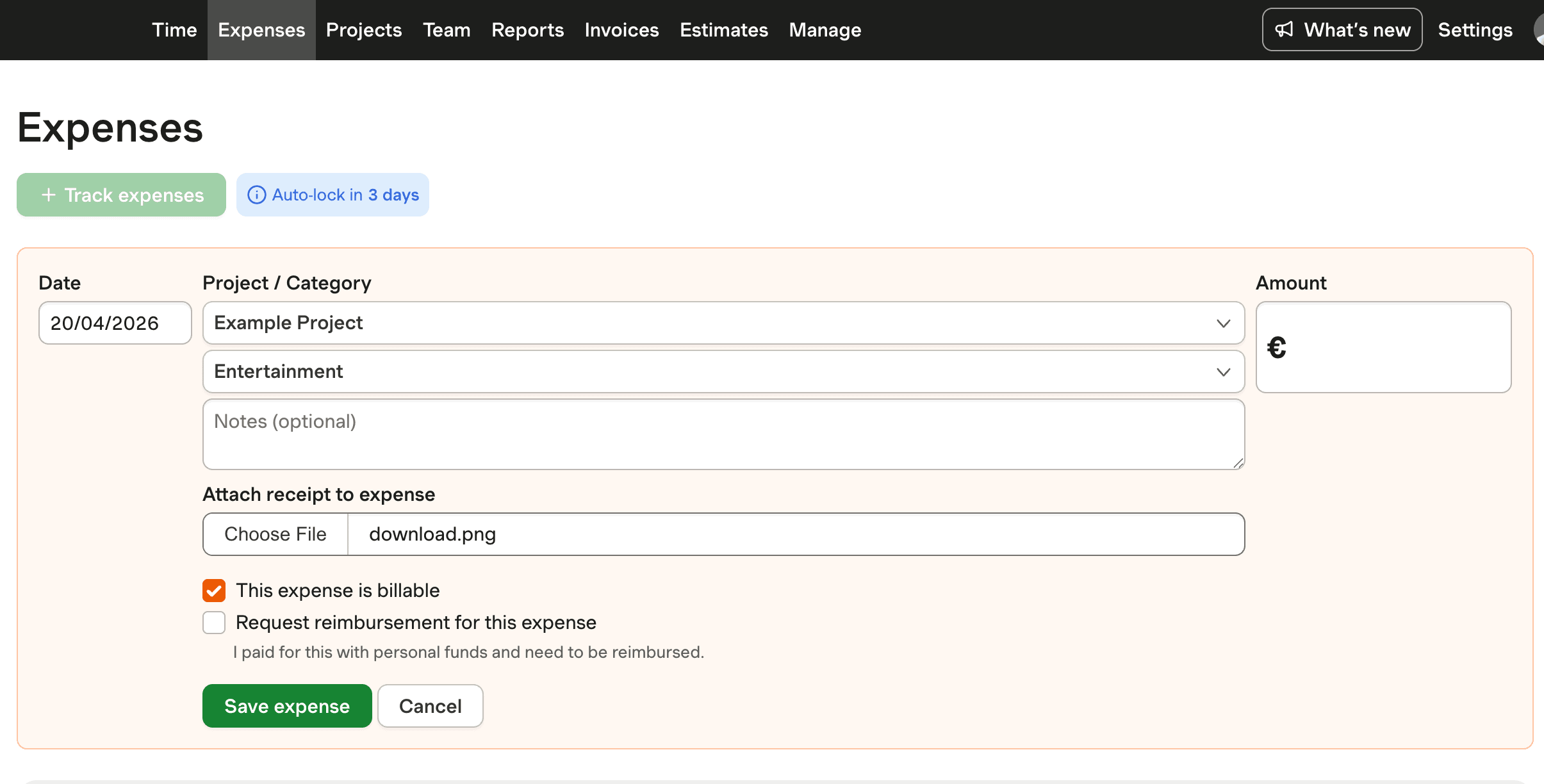
Harvest offers a straightforward solution for startups looking to streamline their expense tracking. While it does not offer automated receipt capture, it supports manual receipt uploads via its mobile app, which can still significantly reduce the labor involved in expense reporting. This feature is particularly beneficial for startups that need to organize pre-funding expenses for audits, as Harvest allows tracking by project and category.

Moreover, Harvest integrates seamlessly with popular accounting software like QuickBooks Online and Xero, simplifying bookkeeping tasks. By copying invoices directly into these platforms, it eliminates the need for double data entry and ensures that financial records are always up-to-date. This integration is a vital feature for startups that aim to maintain accurate financial oversight and compliance with minimal effort.

Best Practices for Implementing Expense Tracking in Startups

Implementing effective expense tracking practices can prevent common financial pitfalls for startups. First, separating personal and business finances is crucial. Startups should open dedicated business bank accounts and credit cards immediately upon incorporation to avoid commingling funds. This practice not only aids in clear financial reporting but also in optimizing tax deductions.

Another best practice is to establish clear expense policies. Startups should define allowable expenses, set spending limits, and outline approval workflows to prevent unauthorized spending. Although Harvest does not have automated approval workflows, it offers a simple approval process where managers can approve timesheets that include expenses. This ensures accountability and control over financial activities.

Overcoming Common Expense Tracking Challenges with Harvest

Startups often face challenges with manual receipt tracking and data entry, which can lead to lost receipts and inaccurate financial records. Harvest addresses these issues by allowing manual receipt uploads via its mobile app, thus reducing the risk of lost data. This feature is especially useful for tech startups with distributed teams that need to file expenses remotely.

While Harvest does not provide real-time spend visibility, its project-based tracking helps startups monitor expenses against budgets, providing a layer of financial insight. This capability helps startups stay within budget and avoid running into cash flow problems, which is a common pitfall where 29% of startups fail.

Expense Tracker for Startups with Harvest

Harvest helps startups track expenses by project and integrates with accounting software, streamlining financial management.

Harvest dashboard showcasing project-based expense tracking for startups.

Expense Tracker for Startups FAQs

  • Key features include automated receipt capture, integration with accounting software, and real-time financial insights. These help in reducing errors and maintaining up-to-date records. Harvest, while not offering automated receipt capture, allows expense tracking by project and integrates with accounting platforms like QuickBooks.

  • Startups can manage expenses effectively by separating personal and business finances, using automated tracking tools, and establishing clear expense policies. Harvest aids in this by allowing startups to track expenses by project and category, which is crucial for audits and financial organization.

  • Manual expense tracking can be problematic due to high error rates and inefficiencies. Each manual expense can cost between $27 to $58, and errors can add an additional $52 to correct. Automation, like the manual receipt uploads offered by Harvest, can help reduce these costs and improve accuracy.

  • Harvest integrates with QuickBooks Online and Xero, allowing for seamless copying of invoices and minimizing the need for double data entry. This integration ensures that financial records remain accurate and up-to-date, which is essential for startups managing their finances effectively.

  • Common pitfalls include commingling personal and business finances, relying on manual processes, and failing to track small expenses. These can lead to inaccurate financial records and tax complications. Implementing systems like Harvest can help avoid these issues through project-based tracking and manual receipt uploads.

  • Startups can ensure compliance by keeping detailed and accurate financial records, separating personal and business expenses, and using systems that support audit preparation. Harvest's project-based tracking aids in organizing expenses by category, which is crucial for audits.