
Harvest
Expenses
Sign up

Fuel Log App Android

Harvest offers customizable expense tracking, ideal for businesses needing detailed project-based financial oversight, despite lacking vehicle-specific features.

  • Attach receipts to projects & tasks
  • Turn tracked expenses into client invoices
  • Free 30-day trial, no credit card needed

or drag & drop • Images and PDFs, max 10 MB

The Importance of Accurate Fuel Logging

Accurate fuel logging is crucial for businesses aiming to optimize their vehicle management and reduce operational costs. Manual fuel tracking methods often suffer from high error rates of 15-25%, leading to financial discrepancies and inefficiencies. Automated systems have transformed this landscape by reducing data entry errors by 95% and administrative time by 85%, providing reliable, real-time data. This evolution in fuel management is particularly beneficial for industries where fuel constitutes 35-40% of total operational costs.

Incorporating automated fuel logging can lead to substantial savings and operational improvements. For instance, businesses that adopt these systems can save approximately $125,000 annually for a fleet of 100 vehicles. This is achieved through enhanced accuracy, real-time visibility into fuel usage, and the ability to quickly address anomalies like excessive idling or unauthorized usage. By reducing human errors and providing real-time insights, automated systems are indispensable for efficient fleet management.
Key Features to Look for in a Fuel Log App for Android

When choosing a fuel log app for Android, there are several critical features to consider. First and foremost, the app should offer real-time fuel tracking to ensure all transactions are accurately recorded. This functionality helps reduce errors, which manual entry systems are prone to, by up to 95%.

Another essential feature is the ability to categorize expenses, such as fuel, maintenance, and repairs. While Harvest offers customizable expense categories, it focuses on project-based expense tracking rather than vehicle-specific features. Additionally, integration with other business systems can enhance the app's utility, providing comprehensive insights into fleet operations. For instance, integrating with GPS systems for trip logging or telematics for monitoring driver behavior can significantly optimize fuel consumption.

Finally, the app should support regulatory compliance by maintaining accurate and complete digital records. Digital logs that adhere to IRS standards are crucial for substantiating deductions and ensuring successful audits.

Benefits of Automated Fuel Management Systems

Automated fuel management systems offer numerous benefits that extend beyond simple fuel logging. They provide businesses with real-time insights into fuel consumption, helping to identify inefficiencies and reduce fuel costs by as much as 30%. This is particularly important for fleet managers seeking to optimize routes and improve driver behavior, both of which contribute significantly to fuel savings.

These systems also aid in preventing fuel theft and shrinkage, which are common challenges in fleet management. By tracking fuel usage through unique driver IDs or GPS-based validation, businesses can enhance accountability and prevent unauthorized use. For example, some systems can match fuel purchases to vehicle locations, ensuring that all transactions are legitimate.

Furthermore, automated systems facilitate compliance with reporting requirements. For instance, they simplify adherence to the International Fuel Tax Agreement (IFTA) by automatically tracking fuel purchases and mileage across jurisdictions, thereby easing the burden of regulatory reporting and audit preparation.

How Harvest Supports Expense Tracking for Businesses

While Harvest may not cater specifically to vehicle-specific fuel logging, it excels in providing robust project-based expense tracking solutions. Businesses can leverage Harvest to create customizable expense categories, including fuel, maintenance, and repairs, allowing for detailed tracking of expenditures across different projects.

Harvest is particularly beneficial for companies that require meticulous tracking of project expenses without the need for vehicle-specific functionalities. It allows for precise tracking of costs associated with fuel and maintenance, ensuring that businesses can stay within budgets and identify financial trends across various projects.

By utilizing Harvest's customizable features, businesses can maintain accurate records and streamline their expense management processes, ultimately leading to better financial oversight and resource allocation.

Fuel Log with Harvest on Android

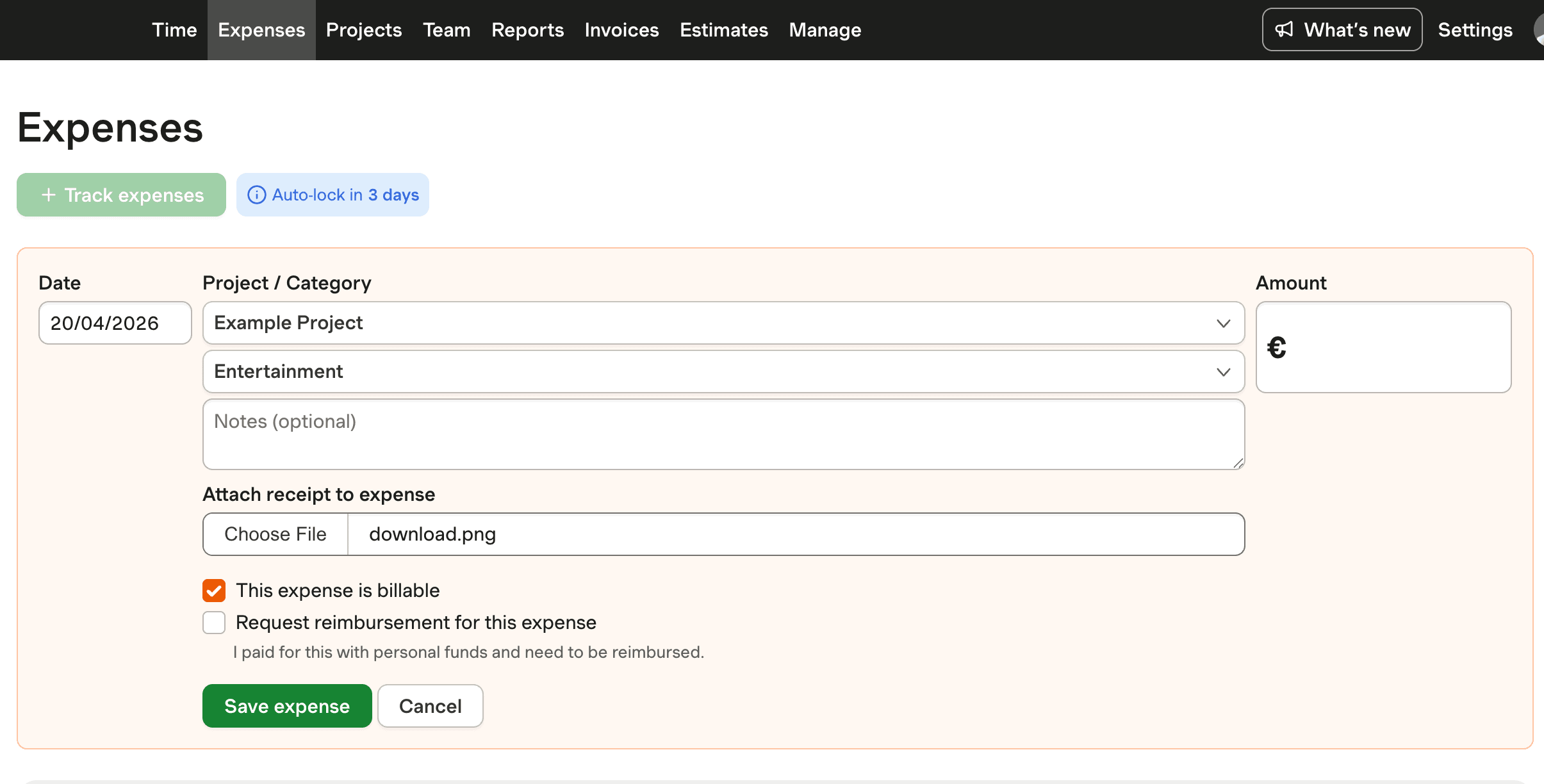
See how Harvest facilitates tracking of fuel expenses and maintenance with customizable categories on Android.

Harvest app interface for tracking fuel expenses on Android

Fuel Log App Android FAQs

  • Look for features such as real-time fuel tracking, customizable expense categories, and integration with other business systems. These features ensure accurate recording and provide insights into fuel consumption patterns.

  • Automated systems reduce data entry errors by 95% and administrative time by 85%. They help prevent fuel theft, optimize routes, and ensure compliance with regulatory requirements, leading to significant cost savings.

  • Harvest allows for customizable expense categories to track fuel expenses, but it is not tailored for vehicle-specific tracking. It is ideal for project-based expense management rather than managing multiple vehicle logs.

  • Harvest provides customizable expense categories for detailed tracking of project-related costs. It helps businesses maintain accurate financial records, aiding in budget management and financial oversight.

  • Real-time tracking ensures all transactions are recorded accurately, reducing errors by up to 95%. It provides immediate insights into fuel usage, allowing for quick identification of issues like excessive idling or unauthorized use.

  • Manual logging is prone to errors such as typos and misplaced decimal points. Automated systems eliminate these errors, ensuring accurate and immediate record-keeping.

  • Proper vehicle maintenance can improve fuel economy by around 10%. Regular servicing, timely oil changes, and replacing clogged air filters contribute to better performance and efficiency.