
Harvest
Expenses
Sign up

Expense Tracker for Universities

Harvest simplifies university expense management by allowing detailed tracking of expenses by project or funding source, reducing manual processing time.

EXPENSE REPORT DRAFT

Drop your receipts here or click to upload

Images and PDFs (max 10 MB each)

Date
Category
Merchant
Description
Amount
Total
$0.00

Customise report

Appearance

Show report title

Report settings

The Complexity of University Expense Management

Universities face unique financial challenges, particularly in managing diverse expenses such as research grants, conference travel, and departmental budgets. According to a 2019 report, universities collectively spend approximately 2,000 hours each month manually processing expense reports and invoices. This inefficiency ties up resources that could otherwise be used for more critical academic functions. Furthermore, about three-quarters of educational institutions still rely on manual processes for expense management, leading to increased errors and administrative burden.

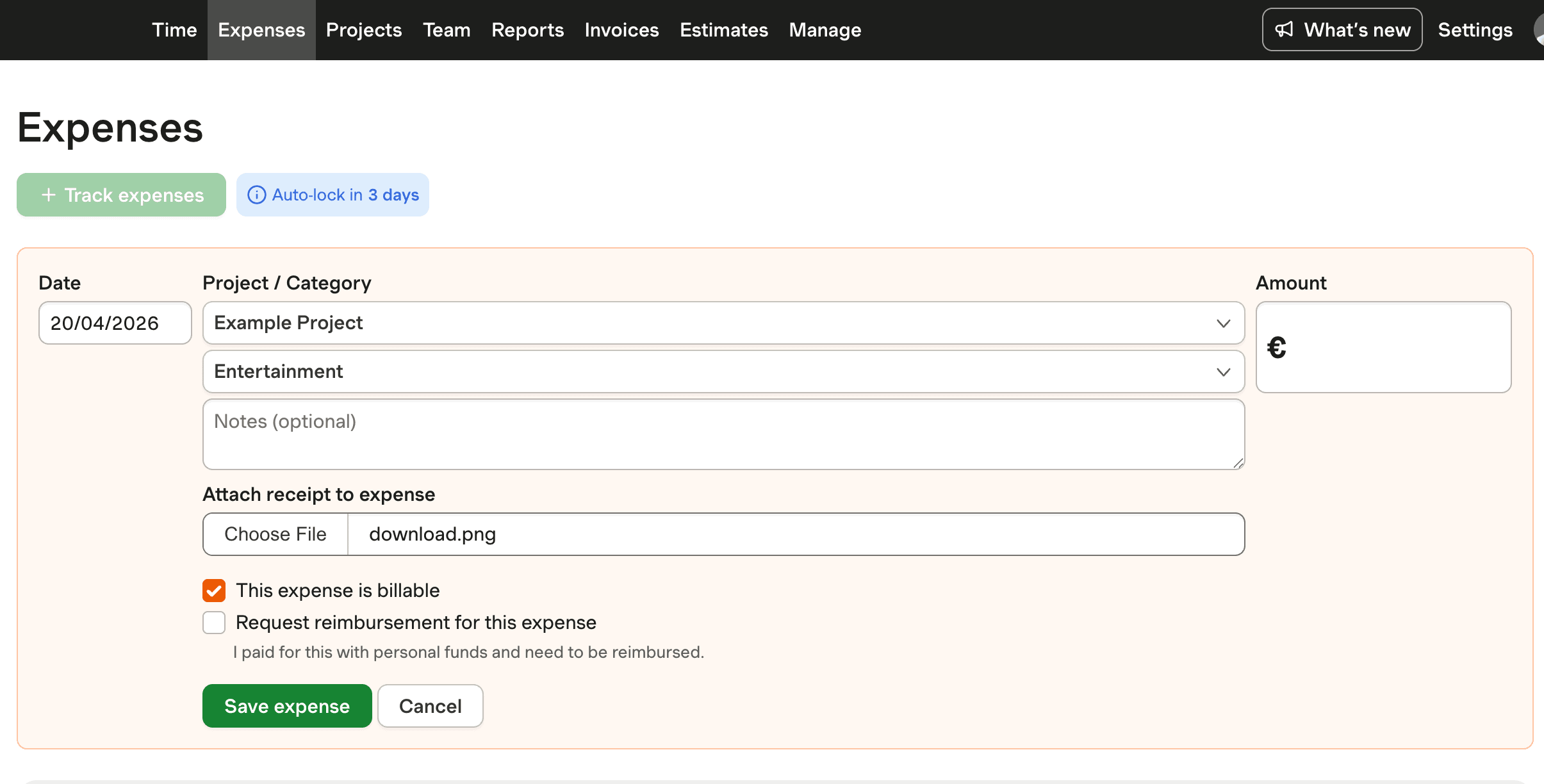
Harvest offers a streamlined solution by allowing universities to track expenses by project or funding source. This feature is crucial for managing complex financial needs tied to grants or departmental budgets. While Harvest does not automate expense reporting, it provides a platform where expenses can be entered manually and receipts uploaded, facilitating better organization and accuracy in financial reporting.
Reducing Administrative Overhead with Harvest

Administrative costs can be a significant burden for universities, with over 56% of total expenses in higher education attributed to labor costs. Manual expense entry exacerbates this issue by requiring staff to maintain physical receipts and spreadsheets, a process that one study found consumes an average of 40 hours per month for business travelers. Such inefficiencies can lead to increased costs and inaccurate reporting.

With Harvest, universities can alleviate some of this burden through efficient project-based expense tracking. By using Harvest to manually enter expenses and upload receipts, institutions can reduce errors and save valuable administrative time. This shift not only cuts down on the hours spent on manual tasks but also enhances the accuracy of expense reports, potentially saving institutions over $100,000 in administrative costs through effective grant management.

Ensuring Compliance with Harvest's Expense Tracking

Compliance is a critical concern for universities, as many expenses are funded by grants and require adherence to specific reporting regulations. A significant portion of the financial management challenge lies in ensuring that all expenses align with these requirements. Automated systems offer real-time compliance checks, but these are often beyond the capabilities of many existing university systems.

While Harvest does not provide automated compliance checks, it enables detailed tracking of expenses by project, which can be aligned with grant and funding source requirements. This manual tracking ensures that expenses are reviewed and approved according to university policies, helping maintain compliance. By organizing expenses through Harvest, institutions gain better oversight of funding utilization and can more easily adhere to the necessary regulations.

Integrating Harvest into University Financial Systems

Seamless integration with existing financial systems is vital for effective expense management in universities. Many institutions struggle with decentralized, outdated systems that do not communicate well with other platforms, leading to inefficiencies and data silos. Effective integration can enhance budget control and improve financial forecasting.

Harvest's compatibility with various platforms allows it to fit into a university’s existing financial ecosystem. While it does not provide real-time budget control, Harvest’s project-based expense tracking can be used to align with departmental budgets and funding sources. By incorporating Harvest into their financial processes, universities can improve data accuracy and streamline expense management, ultimately supporting more informed financial decision-making.

University Expense Tracking with Harvest

Discover how Harvest enables universities to track and manage expenses by project or funding source, streamlining financial processes.

Harvest dashboard showing university expense tracking features.

Expense Tracker for Universities FAQs

  • Universities can manage expenses more efficiently by transitioning from manual processes to digital systems like Harvest. By tracking expenses by project or funding source, Harvest helps reduce errors and administrative time, improving overall efficiency.

  • Universities often deal with complex expenses such as research grants and travel, alongside decentralized systems that hamper efficiency. These challenges are exacerbated by manual processes that increase the likelihood of errors and inefficiencies.

  • Harvest aids compliance by allowing expenses to be tracked by project or funding source, ensuring alignment with grant requirements. While it does not automate compliance checks, the organized tracking helps universities adhere to necessary regulations.

  • Harvest offers benefits such as detailed project-based expense tracking and receipt uploads, which streamline the expense reporting process. This reduces administrative overhead and enhances the accuracy of financial reports.

  • Harvest integrates seamlessly into existing financial systems by offering project-based tracking that complements departmental budgets. This compatibility facilitates better data accuracy and informed financial decision-making.

  • Yes, Harvest can help manage grant expenses by allowing tracking by project or funding source. This feature assists universities in organizing their finances and ensuring compliance with grant stipulations.

  • Manual expense entry remains common due to outdated systems and the complexity of university expenses. However, transitioning to systems like Harvest can significantly reduce inefficiencies and improve reporting accuracy.