
Harvest
Expenses
Sign up

Django Expense Tracker

Harvest simplifies expense tracking with secure user authentication and manual category entry, ideal for businesses valuing straightforward management.

EXPENSE REPORT DRAFT

Drop your receipts here or click to upload

Images and PDFs (max 10 MB each)

Date
Category
Merchant
Description
Amount
Total
$0.00

Customise report

Appearance

Show report title

Report settings

Simplifying Expense Tracking with Django

Building a Django expense tracker empowers businesses to automate and streamline their financial management processes. Traditional manual systems are fraught with inefficiencies; the average manual expense report takes 20 minutes to complete and often contains errors that require an additional 18 minutes to correct, costing approximately $52 per report. By contrast, a Django-based solution can significantly reduce these inefficiencies, offering a more seamless and error-free approach to expense management.

Starting your Django project involves several key steps. First, install Django and create a new project. Following this, generate a dedicated app for expense tracking, such as 'budget'. Define your database models to handle projects, categories, and expenses, ensuring that relationships are established correctly. Implement CRUD operations within your views to manage expenses effectively. Finally, create forms and design templates to facilitate user input and display financial data, often leveraging frameworks like Bootstrap for a responsive user interface.
Essential Features for a Django Expense Tracker

A comprehensive Django expense tracker must include several key features to ensure efficient expense management. One crucial element is secure user authentication, ensuring that only authorized users can access sensitive financial data. For instance, Harvest provides a robust authentication system as part of its SaaS platform, safeguarding personal and business expenses.

Additionally, businesses benefit from standardized cost codes and clear approval policies. For example, the construction industry often implements mobile receipt capture and real-time monitoring to prevent budget overruns. By integrating these features into a Django application, businesses can enhance transparency and control over their expenses. Furthermore, seamless integration with accounting software like QuickBooks or ERP systems can automate data transfers, reducing errors and providing real-time financial insights.

Implementing User Authentication in Django

Implementing user authentication in a Django expense tracker is vital for protecting financial data. Harvest's platform includes secure authentication, which can serve as a model for Django applications. Using Django's built-in authentication system, developers can create a secure login process that manages user credentials and permissions effectively.

To set up authentication in Django, start by including the authentication views in your project's URLs and create templates for login and registration. Utilize Django's User model to manage accounts, and consider implementing additional security measures like two-factor authentication to enhance protection. This ensures that only authorized personnel can access and manage the expense data, maintaining the integrity of your financial records.

Best Practices for Managing Expenses in Django

Adopting best practices for managing expenses within a Django application can lead to significant efficiency gains. One of the top recommendations is to establish comprehensive expense policies that define spending limits, approval processes, and reimbursement procedures. This clarity helps prevent unauthorized expenditures and ensures compliance across the organization.

Regular audits are also critical. Conducting monthly or quarterly audits can identify discrepancies or fraud, ensuring that all expenses are justified and properly documented. Additionally, implementing digital receipt capture and storage reduces the risk of lost receipts and facilitates easier record-keeping. By following these best practices, businesses can maintain accurate financial records and enhance the overall efficiency of their expense management processes.

Build a Django Expense Tracker with Harvest

Explore Harvest's secure authentication and manual tracking features to enhance your Django expense management app.

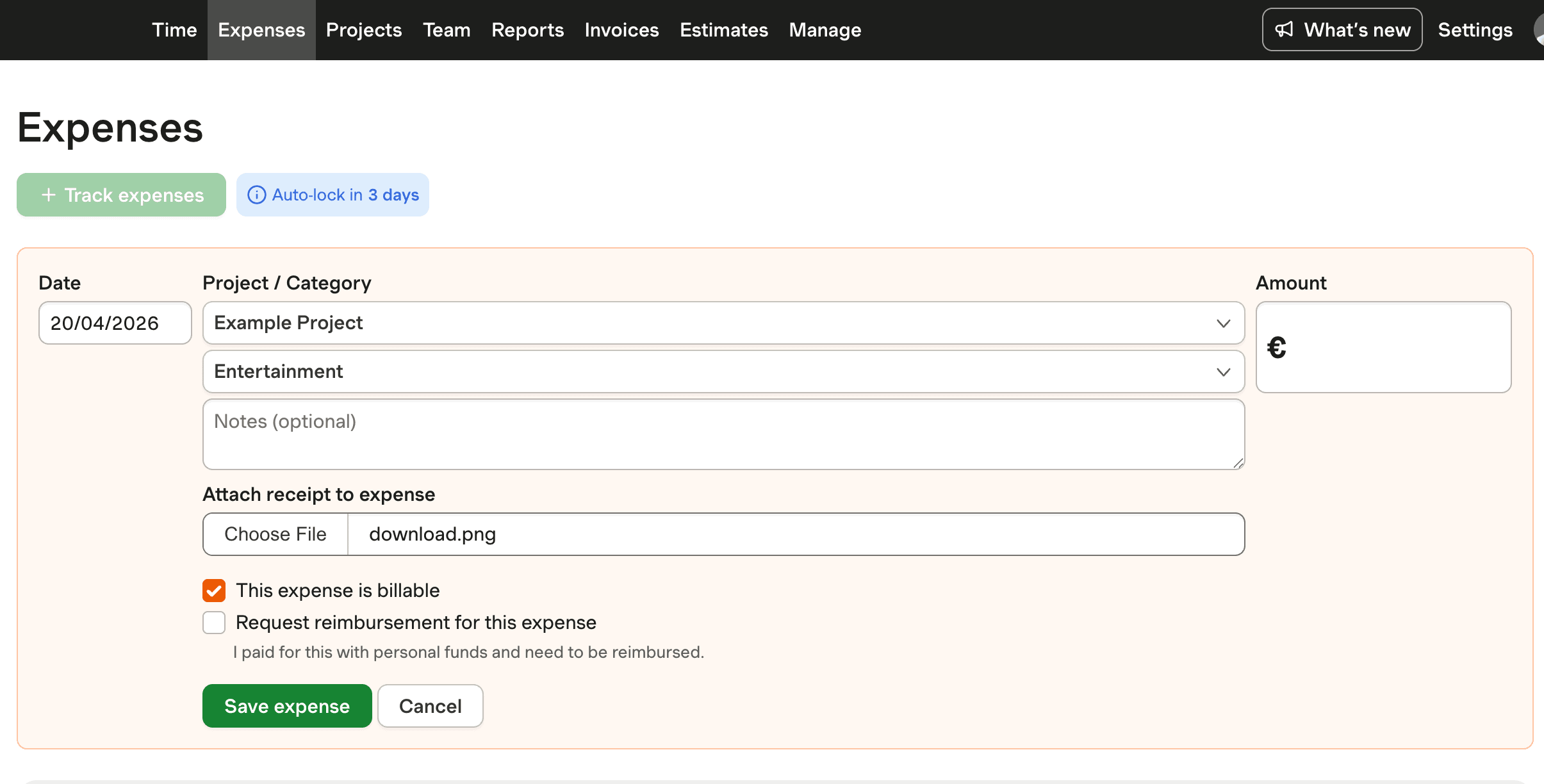
Django expense tracker interface with Harvest features.

Django Expense Tracker FAQs

  • A Django expense tracker should include secure user authentication, CRUD operations for managing expenses, and integration with accounting software for seamless data transfer. These features ensure efficient and secure expense management.

  • To set up a Django project for expense tracking, install Django, create a new project and app, define models for expenses, and implement CRUD views. Use templates to design the user interface and integrate with necessary tools for enhanced functionality.

  • Essential libraries for a Django expense tracker include Django's built-in authentication system, Bootstrap for responsive design, and integration tools like Django REST framework for API development. These enhance the app's functionality and user experience.

  • Implement user authentication in Django by using its built-in authentication system. Set up login and registration views, manage user credentials with Django's User model, and consider additional security measures like two-factor authentication for enhanced protection.

  • Harvest offers secure user authentication and a straightforward, manual approach to expense tracking, making it ideal for businesses that prioritize simplicity over automation. It helps maintain organized financial records efficiently.

  • Manual expense tracking is often inefficient and error-prone, with reports taking up to 20 minutes to complete and 19% containing errors. This can lead to increased costs and administrative burdens, making automated solutions more appealing.

  • Integrating Django with accounting software like QuickBooks automates data transfer, reduces manual entry errors, and provides real-time financial insights. This integration streamlines financial workflows and enhances accuracy.