
Harvest
Expenses
Sign up

Expense Tracker Template

Struggling with expense management? Harvest offers customizable categories and real-time tracking, making it ideal for managing project expenses effectively.

EXPENSE REPORT DRAFT

Drop your receipts here or click to upload

Images and PDFs (max 10 MB each)

Date
Category
Merchant
Description
Amount
Total
$0.00

Customise report

Appearance

Show report title

Report settings

The Importance of a Customizable Expense Tracker Template

Expense tracker templates are essential tools for individuals and businesses aiming to gain control over their finances. With financial stress affecting nearly 75% of adults occasionally and 25% experiencing extreme stress, the need for effective expense management is paramount. A customizable template allows users to tailor expense categories to match their unique spending habits, facilitating a more granular view of their financial health.

Harvest offers a solution by providing customizable expense categories suited for various business needs. Users can set unit prices for specific categories, ensuring that each expense is tracked accurately and in real-time. This feature is particularly beneficial for project-based work, where expenses can be monitored by date, project, and category, offering immediate insights into financial standings and enabling proactive budget adjustments.
Real-Time Expense Tracking for Better Financial Oversight

In today's fast-paced financial environment, real-time expense tracking is a game-changer. It provides instant visibility into spending, which is crucial for effective cash flow management and accurate financial forecasting. By tracking expenses as they occur, businesses can avoid the pitfalls of delayed reporting, which can hinder financial decision-making.

Harvest excels in this area by offering real-time tracking capabilities specifically designed for project-based work. This ensures that every expense is accounted for as it happens, allowing teams to make informed decisions and adjust budgets proactively. With Harvest, organizations can mitigate the common issue of mismanaged funds, leading to improved financial efficiency and reduced operational overhead.

Creating an Effective Expense Tracker: Step-by-Step Guide

To create an effective expense tracker, start by gathering all relevant financial documents such as receipts, bank statements, and bills. Next, calculate your total monthly income from all sources. Then, list and categorize your expenses into fixed and variable categories, using 8 to 15 categories for optimal visibility without overwhelming detail.

Once your categories are set, establish a budget that allocates funds to each category. Choose a tracking method that suits your needs, such as a spreadsheet or a dedicated application like Harvest, which offers real-time tracking and customizable categories. Regularly monitor your expenses to compare actual spending against your budget, making necessary adjustments to stay on track.

By following this structured approach, you not only ensure compliance with financial goals but also prepare for tax season, as the IRS requires documentary evidence for expenses of $75 or more. With Harvest, you can streamline this entire process, integrating expense tracking seamlessly into your financial management routine.

Avoiding Common Expense Tracking Mistakes

Effective expense tracking can be undermined by common mistakes such as mixing personal and business expenses, failing to record receipts, and not categorizing expenses accurately. To prevent these issues, always maintain separate bank accounts for personal and business use and digitize receipts immediately using mobile apps or software.

Harvest helps users avoid these pitfalls by allowing expenses to be tracked by project and category, providing a clear and organized view of spending. Additionally, regularly reviewing expenses ensures that any discrepancies are caught early, allowing for timely adjustments and accurate financial reporting.

Integrating expense management with accounting tools can further streamline processes, though Harvest focuses on project-based tracking and real-time insights. Adopting best practices and tools like Harvest can significantly enhance financial oversight and efficiency.

Expense Tracker Template with Harvest

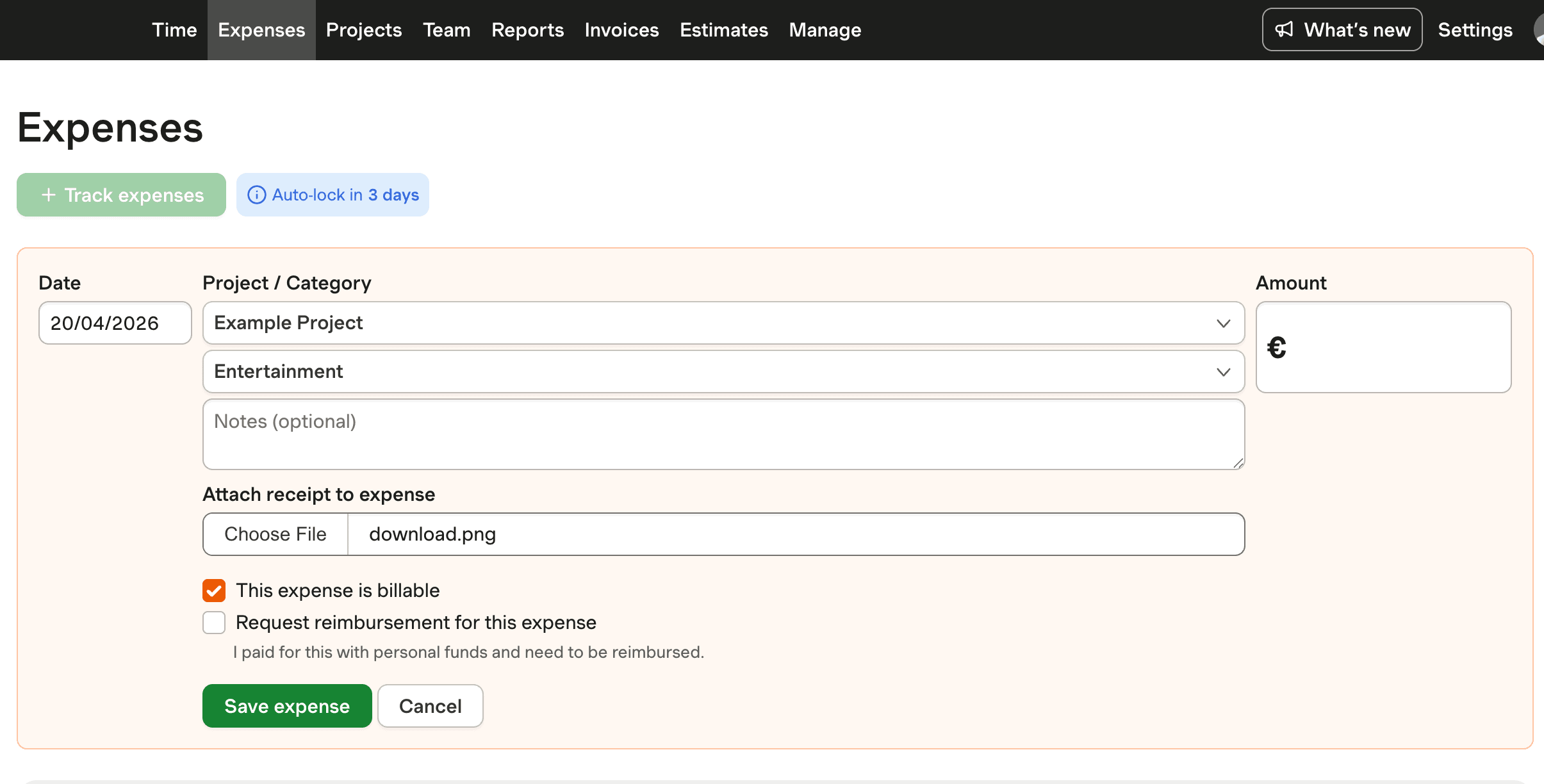
See how Harvest's customizable expense tracker template helps manage expenses in real-time, tailored to your project needs.

Harvest interface showing customizable expense tracker template

Expense Tracker Template FAQs

  • The best way to track expenses is through a method that suits your specific needs, such as a spreadsheet or a dedicated app. Harvest offers real-time tracking and customizable categories, which can be ideal for managing detailed project expenses.

  • To customize an expense tracker template, define your categories based on your business needs. Harvest allows you to create customizable expense categories and track expenses by project and date, ensuring you get the insights you need.

  • Real-time expense tracking provides immediate visibility into your spending, allowing for better cash flow management and financial forecasting. With Harvest, you can track expenses as they occur, ensuring timely and informed financial decisions.

  • An expense tracker helps with budgeting by categorizing expenses and comparing actual spending against budgeted amounts. Harvest's real-time tracking can provide the insights needed to adjust budgets proactively and avoid overspending.

  • Digital expense tracking solutions reduce errors, save time, and provide real-time data for better decision-making. Harvest's real-time tracking and customizable templates enhance financial management efficiency, especially in project-based work.

  • To comply with IRS requirements, maintain digital records of expenses over $75, including details like amount, date, and purpose. Harvest helps track and organize expenses, making compliance easier.

  • While Harvest integrates with QuickBooks Online and Xero for invoice management, it excels in offering real-time expense tracking specific to projects, providing a comprehensive view of project-related finances.