
Harvest
Expenses
Sign up

Expense Tracking for Contractors With Asana Integration

Harvest offers contractors robust expense tracking and invoicing solutions, integrating with Asana for seamless project management. Save time and maintain financial health with Harvest's comprehensive features.

EXPENSE REPORT DRAFT

Drop your receipts here or click to upload

Images and PDFs (max 10 MB each)

Date
Category
Merchant
Description
Amount
Total
$0.00

Customise report

Appearance

Show report title

Report settings

The Importance of Expense Tracking for Contractors

Expense tracking is crucial for contractors, particularly when managing multiple projects and clients. According to industry research, freelancers can save between $3,000 and $8,000 annually in taxes through systematic expense tracking. This is especially relevant in the expanding gig economy, where 64 million Americans contribute nearly $1.3 trillion annually. Effective expense management can significantly reduce audit risk by 73%, as per IRS data, and save up to 10 hours a week. This translates to an additional $400-$800 in billable time each month.

For contractors, tracking expenses accurately helps maintain profitability across projects. In construction and other project-based industries, cost-plus contracts are common, and inadequate cost tracking is a primary cause of payment delays in 42% of such projects. By integrating expense management solutions like Harvest, contractors can streamline invoicing, centralize financial documentation, and gain real-time insights into project financial health.
Integrating Expense Tracking with Asana

Integrating expense tracking with project management tools like Asana can enhance operational efficiency for contractors. The gig economy's rapid growth underscores the need for robust solutions that connect project management and financial tracking. While Harvest integrates with Asana for time tracking, its real strength lies in providing comprehensive budget tracking, customizable expense categories, and automated invoicing within its own platform.

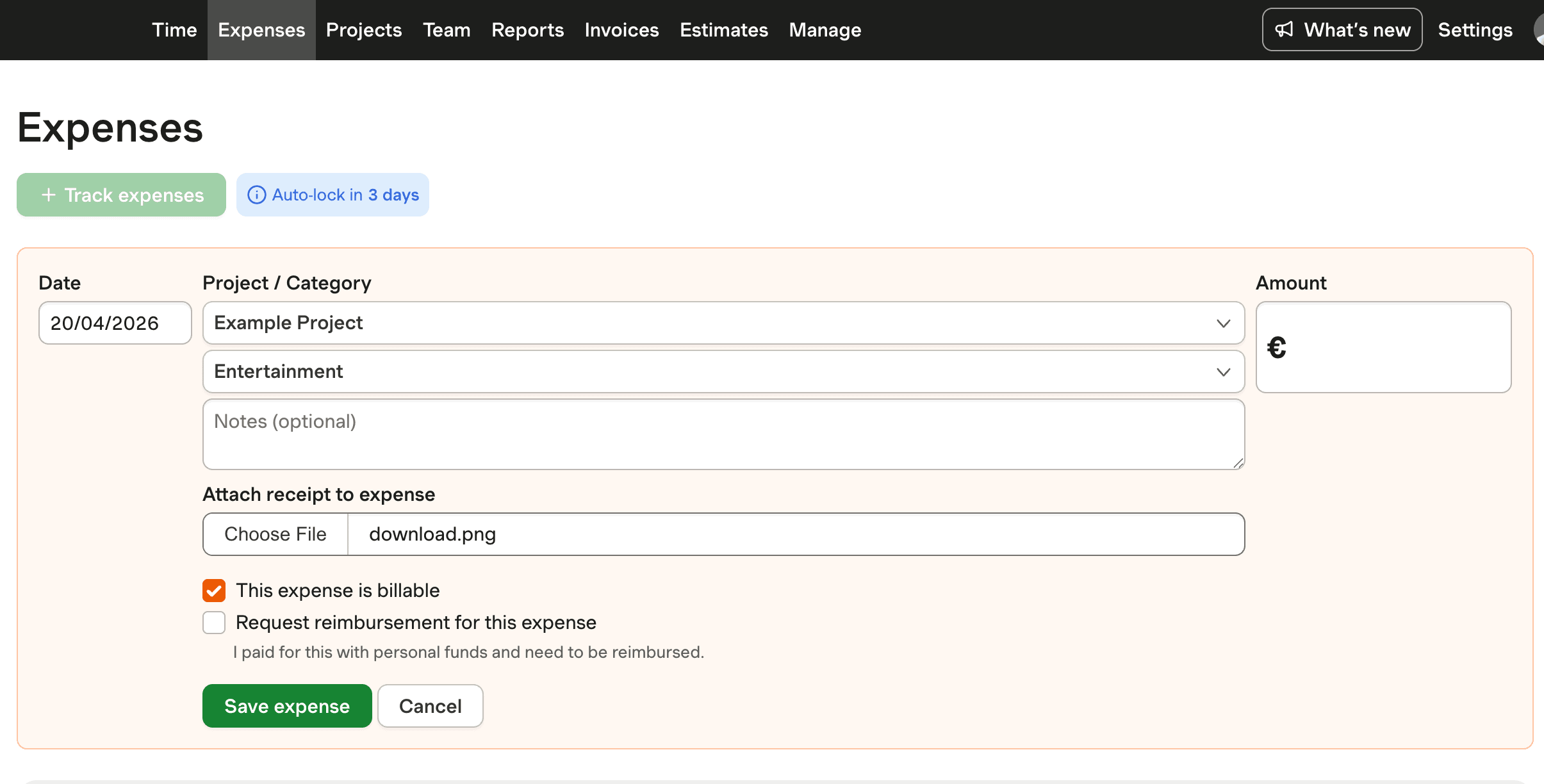
Harvest allows contractors to monitor project expenses and potential income in real-time, offering visual feedback on project budgets and expenses. This functionality is crucial for maintaining control over project finances, ensuring that all incurred costs are accounted for and billed accurately. By using Harvest in conjunction with Asana, contractors can optimize their workflow, even if Asana itself does not directly support expense tracking integration.

Automated Invoicing and Financial Management

Automating invoicing based on tracked expenses is a game-changer for contractors. Harvest supports this by allowing you to streamline the billing process, ensuring that all billable hours and expenses are accurately invoiced. This capability not only saves time but also reduces the likelihood of errors, which are prevalent in manual expense reports with error rates ranging from 20-30%.

Harvest's automated invoicing integrates seamlessly with its time tracking and expense management features. By setting billable rates for contractors based on project type, you can ensure precise billing for time and materials projects. This level of automation and integration is crucial for maintaining financial health, especially when dealing with complex projects that require detailed financial oversight.

Best Practices for Expense Management

Effective expense management involves several best practices that contractors should adopt. First, defining a clear project budget and cost structure is essential. This includes assigning expenses to specific projects and tasks, which Harvest facilitates through its customizable expense categories. Real-time tracking of expenses, as provided by Harvest, improves accuracy and visibility into spending trends.

Experts recommend regularly reviewing expenses against project progress and adjusting forecasts and budgets as needed. Harvest enables contractors to generate detailed reports that offer insights into project profitability and financial health. By integrating expense tracking with project management tools and following these best practices, contractors can avoid common financial pitfalls and enhance their project outcomes.

Expense Management with Harvest

Discover how Harvest helps contractors track expenses and integrate seamlessly with Asana for improved project management and invoicing.

Harvest expense tracking integrated with Asana for contractors

Expense Tracking for Contractors With Asana Integration FAQs

  • While Asana is primarily a project management tool, contractors can track expenses by integrating it with financial management tools like Harvest. Harvest provides real-time budget tracking, customizable expense categories, and automated invoicing, complementing Asana's project management capabilities.

  • Real-time expense tracking improves accuracy by capturing costs as they occur, reducing forgotten or duplicated expenses. It offers immediate visibility into spending trends, allowing contractors to adjust budgets and forecasts promptly to maintain project profitability.

  • Yes, Harvest automates invoicing based on tracked expenses and time. This feature streamlines the billing process, reduces errors, and ensures that contractors bill their clients accurately for all work performed and expenses incurred.

  • When choosing an expense tracking tool, look for features like real-time budget tracking, customizable expense categories, automated invoicing, and integration capabilities with project management tools. Harvest offers these features, making it a robust choice for contractors.

  • Harvest integrates with Asana by syncing time tracking data, allowing contractors to manage project timelines and budgets more effectively. While direct expense tracking within Asana isn't supported, Harvest's platform provides comprehensive financial oversight.

  • Expense tracking is crucial for contractors to maintain financial health, compliance, and profitability. It helps identify cost-saving opportunities, ensures accurate billing, and prevents financial surprises by providing a clear overview of project expenses.

  • Common mistakes include failing to separate personal and business finances, not tracking job costs properly, and neglecting indirect costs like permitting and insurance. Using tools like Harvest can help avoid these pitfalls by providing structured financial management.