
Harvest
Expenses
Sign up

Expense Tracking Software for Subcontractors

Harvest equips subcontractors with essential tools for efficient expense tracking and project budget management, ensuring financial accuracy and control.

EXPENSE REPORT DRAFT

Drop your receipts here or click to upload

Images and PDFs (max 10 MB each)

Date
Category
Merchant
Description
Amount
Total
$0.00

Customise report

Appearance

Show report title

Report settings

Why Expense Tracking is Essential for Subcontractors

Effective expense tracking is a critical component for subcontractors striving to maintain profitability in the construction industry. With construction firms typically achieving only a 6% profit margin, tight financial management of expenses is crucial. Payments to subcontractors often represent 65% to 85% of a general contractor's total expenses, highlighting the need for stringent cost controls. Without proper tracking, subcontractors risk budget overruns, reduced profitability, and strained relationships due to payment delays.

Automated expense tracking systems can significantly lower costs, reducing invoice processing from an average of $12-15 to just $2-4 per invoice. Additionally, these systems can save over 1,800 employee hours annually by eliminating manual data entry and reconciliation tasks. Harvest offers subcontractors the tools needed for real-time job costing, enabling them to manage labor and material expenses effectively. By using Harvest, subcontractors can maintain accurate financial tracking and improve their bottom line.
Leveraging Mobile Access for Real-Time Expense Management

In dynamic work environments like construction sites, having the ability to log expenses in real-time is invaluable. Mobile access allows subcontractors to capture expenses instantly, reducing the risk of errors and enabling timely financial updates. Automated systems like Harvest’s mobile app facilitate on-the-go expense logging, helping subcontractors achieve greater efficiency and accuracy.

For subcontractors, real-time expense categorization and receipt management can prevent budget blindness and improve financial visibility. Harvest’s mobile access enables field techs to log both expenses and time directly from job sites, ensuring that all financial data is up-to-date and accessible. This not only streamlines the administrative process but also aids in maintaining clear communication between on-site personnel and the finance team.

Integrating Harvest with Financial Planning to Prevent Budget Overruns

Budget overruns are a common challenge in the construction industry, often caused by misaligned financial planning and project scheduling. Harvest, in collaboration with Forecast, provides scheduling tools that align with financial planning, helping subcontractors avoid budget overruns. By integrating project management with expense tracking, subcontractors can maintain better control over their finances.

While Harvest does not directly integrate with payroll systems, its ability to export time and expense data to Excel or CSV ensures that subcontractors can still streamline their payroll processes. This flexibility allows subcontractors to maintain comprehensive financial records and integrate data seamlessly with other financial platforms, reducing administrative burdens and enhancing project profitability.

The Impact of Automation on Expense Tracking

Automating expense tracking has transformed it from a cumbersome task into a strategic advantage for subcontractors. Digital tools, such as those offered by Harvest, have been shown to reduce audit risk by 73% compared to paper-based systems. These tools not only simplify the process of expense categorization but also ensure compliance with complex regulatory requirements.

Subcontractors utilizing automated systems can save significant amounts on tax deductions, with systematic expense tracking potentially saving freelancers between $3,000 and $8,000 annually. By adopting Harvest’s automated solutions, subcontractors can optimize their financial management, reduce administrative costs, and ultimately improve their profitability in a competitive industry.

Harvest for Subcontractors

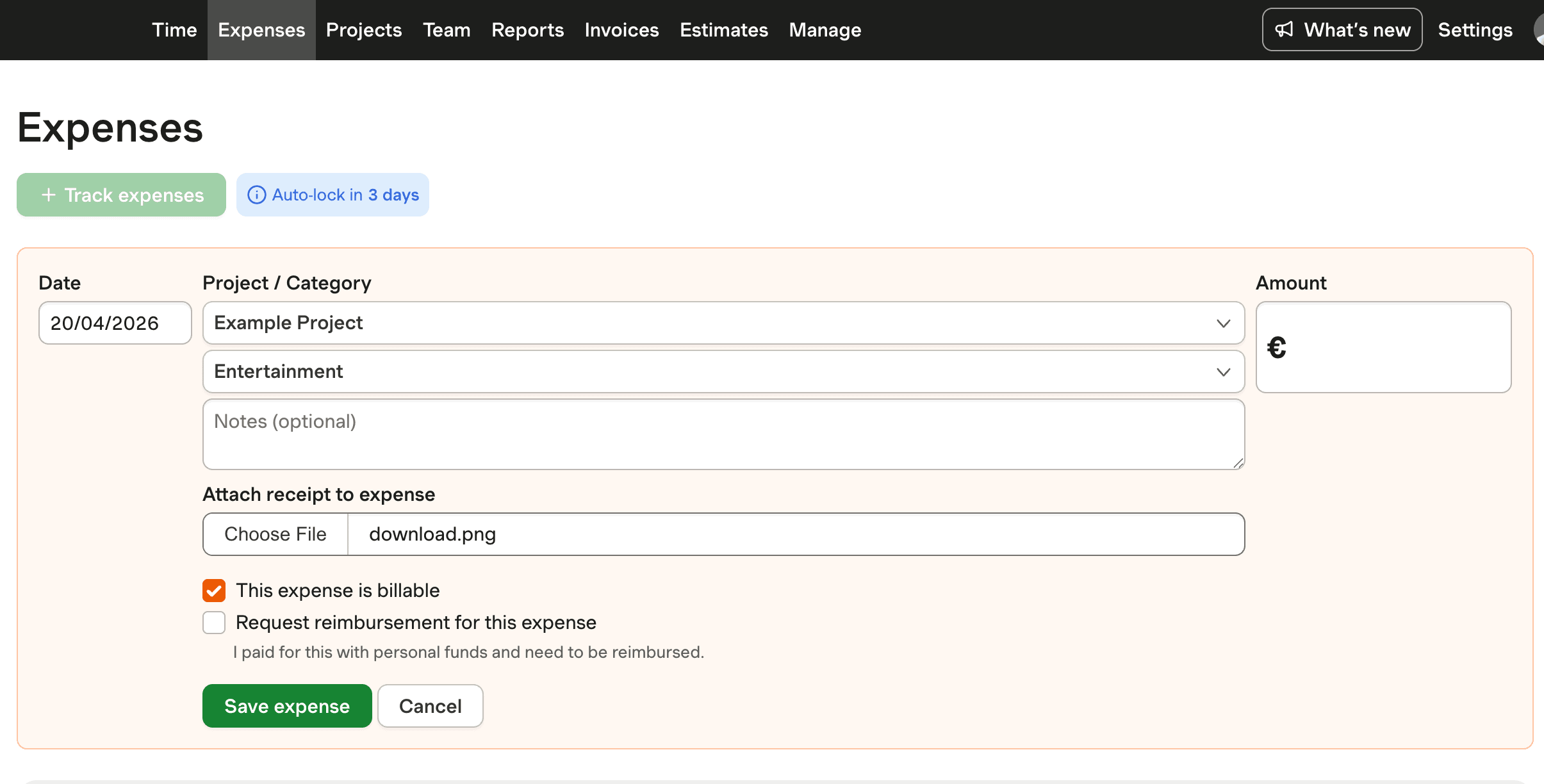
See how Harvest helps subcontractors manage expenses and project budgets efficiently. Track costs directly from job sites with mobile access.

Screenshot of Harvest's expense tracking software interface for subcontractors.

Expense Tracking Software for Subcontractors FAQs

  • Subcontractors should prioritize features like real-time job costing, mobile access for on-site expense logging, and integration capabilities with financial systems. Automation and AI-driven tools are also beneficial for reducing manual errors and enhancing strategic financial management.

  • Harvest provides subcontractors with real-time job costing and mobile access, allowing them to log expenses and track project budgets efficiently. It enables accurate financial tracking and aids in preventing budget overruns through integrated scheduling tools.

  • While Harvest does not directly integrate with payroll systems, it allows subcontractors to export time and expense data to Excel or CSV, which can then be imported into payroll tools, facilitating streamlined payroll processing.

  • Automation reduces manual entry errors, saves time, and enhances accuracy in expense tracking. Systems like Harvest's can cut invoice processing costs from $12-15 to $2-4 per invoice, offering significant time and cost savings.

  • Subcontractors must retain detailed records of business expenses, including receipts and invoices, for compliance with tax authorities. Proper documentation ensures that expenses are accurately recorded and reported, reducing audit risks.

  • Mobile access allows subcontractors to log expenses in real-time from job sites, ensuring immediate updates to financial records and reducing the risk of errors. This feature helps maintain clear communication between on-site and finance teams.

  • Harvest, in conjunction with Forecast, integrates project scheduling with expense tracking, helping subcontractors align financial planning with project timelines. This reduces the risk of budget overruns and enhances overall project profitability.