
Harvest
Expenses
Sign up

How to Track Expenses Without Spreadsheets

Struggling with inefficient expense tracking? Harvest offers a seamless solution to manage expenses without spreadsheets, enhancing budgeting and financial visibility.

  • Attach receipts to projects & tasks
  • Turn tracked expenses into client invoices
  • Free 30-day trial, no credit card needed

or drag & drop • Images and PDFs, max 10 MB

The Inefficiencies of Spreadsheet-Based Expense Tracking

Many businesses and individuals rely on spreadsheets to track expenses, but this method is often inefficient and error-prone. On average, an expense report takes 20 minutes to complete, costing about $58 per report. Additionally, approximately 19% of these reports contain errors, which require another 18 minutes and $52 to correct. This manual process is not only time-consuming but also costly.

Spreadsheets lack the real-time visibility and automation features that modern businesses require. As a result, companies are increasingly turning to digital solutions. In fact, 83% of enterprises have adopted automated expense management systems, which have been shown to reduce processing times and improve efficiency by up to 77%. Switching to a digital system can save a company over 30,000 hours annually, underscoring the need for more effective alternatives to spreadsheets.
Harnessing Technology for Efficient Expense Tracking

In a world where smartphones and internet connectivity are ubiquitous, the evolution from paper-based and spreadsheet systems to digital solutions has transformed expense management. Automated expense tracking is not just a trend—it's a business imperative. By automating expense management, companies can reduce the cost of processing claims by up to 78%. Furthermore, 57% of companies report cost savings of up to 34% after implementing automation.

Harvest offers a project-based expense tracking solution that enables users to transition from spreadsheets to a more streamlined approach. By allowing users to manually categorize expenses by project, Harvest helps distinguish between fixed and variable expenses, aiding in better budgeting. This not only improves financial visibility but also enhances control over spending, without the need for complex spreadsheets.

Enhancing Budgeting with Harvest

For businesses seeking to improve budgeting practices, distinguishing between fixed and variable expenses is crucial. Harvest addresses this need by offering a simple, manual categorization system for expenses. Users can easily track expenses by project, providing clarity on spending patterns and helping identify hidden costs that can impact budgeting.

While Harvest does not automate transaction categorization, it provides a platform for users to input and categorize expenditures manually, offering insights into financial data. This approach enables users to monitor expenses closely, identify trends, and make informed financial decisions. Harvest's flexibility and user-friendly interface make it an effective tool for those looking to track expenses without relying on traditional spreadsheets.

Improving Financial Visibility with Manual Tracking

Achieving real-time visibility into expenses is a challenge for many organizations, especially those relying on spreadsheets. Manual entry systems, while labor-intensive, offer a level of accuracy and customization that automated systems may not. Harvest allows users to manually enter and track expenses by date, project, and category, providing valuable insights into spending patterns.

This method helps organizations maintain control over their financial data and ensures compliance with internal policies. By categorizing expenses manually, users can identify discrepancies and unusual spending patterns. Although Harvest does not integrate with financial accounts for comprehensive tracking, it offers a reliable solution for businesses that prioritize accuracy and control in expense management.

Track Expenses Seamlessly with Harvest

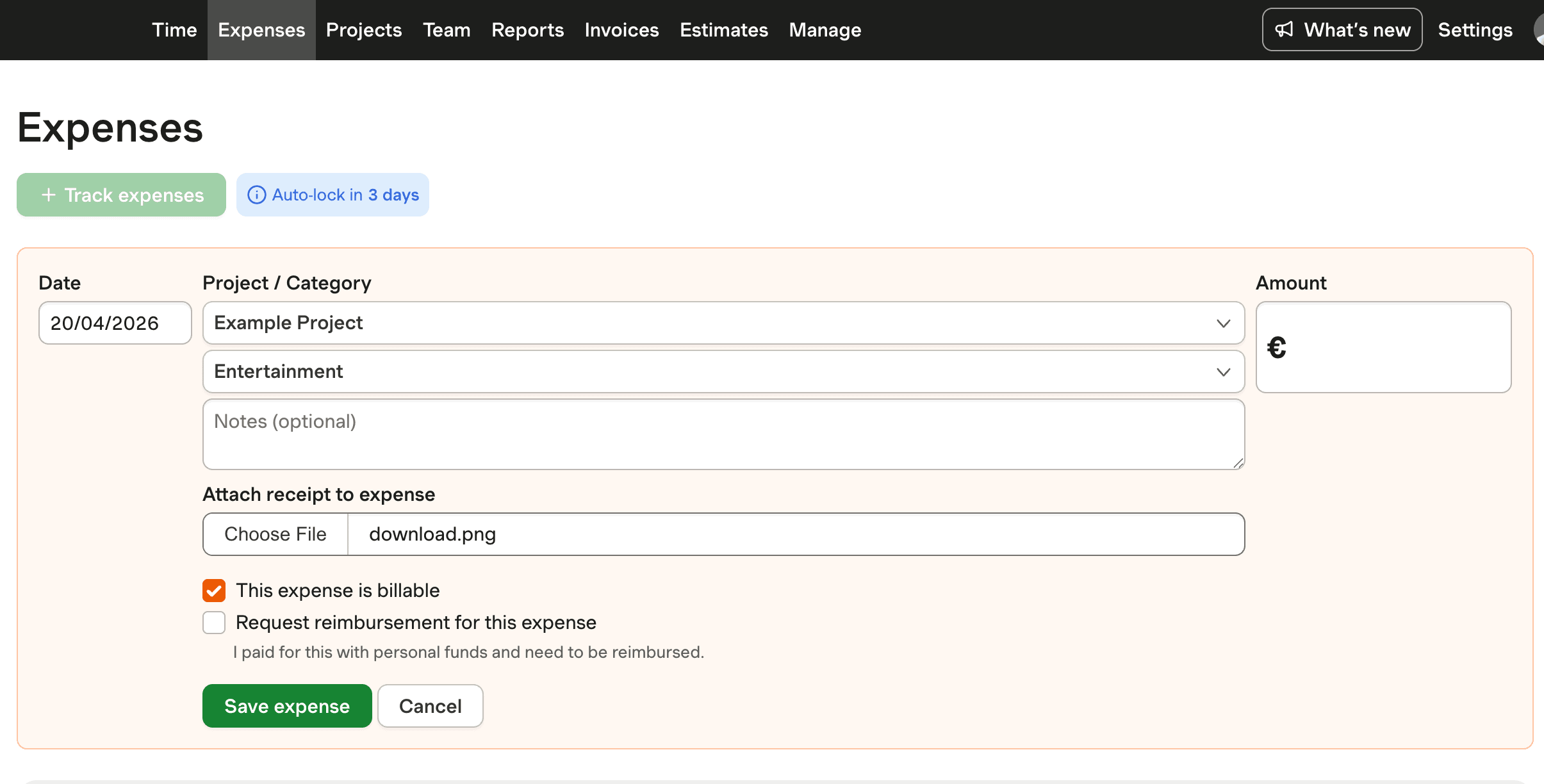
See how Harvest allows you to track expenses without spreadsheets, offering easy manual categorization and project-based tracking.

Harvest expense tracking interface showing manual categorization options.

How to Track Expenses Without Spreadsheets FAQs

  • Apps like Harvest offer a user-friendly way to track expenses without spreadsheets by allowing simple manual categorization and project-based tracking. These features help users manage expenses effectively without the complexity of traditional methods.

  • While Harvest does not automate transaction categorization, it allows users to manually track and categorize expenses by project. This approach helps manage expenses efficiently, offering clarity on spending patterns without relying on spreadsheets.

  • With Harvest, users can manually categorize expenses by project, which helps differentiate between fixed and variable costs. This method supports better budgeting and financial insights without the need for spreadsheets.

  • Low-tech methods include using note-taking apps or physical notebooks to log expenses. However, digital tools like Harvest offer a more efficient alternative by allowing manual expense categorization and project tracking without spreadsheets.

  • Look for tools that offer manual categorization, project-based tracking, and user-friendly interfaces. Harvest provides these features, allowing users to gain insights into spending patterns without the complexity of spreadsheets.

  • Harvest enables users to track and categorize expenses manually, allowing them to monitor spending closely and identify hidden costs. This can improve budgeting and financial control.