
Harvest
Expenses
Sign up

Ifta Tracking Miles

Harvest provides a structured way to manually track mileage expenses, helping businesses maintain compliance and avoid fines without automated tools.

EXPENSE REPORT DRAFT

Drop your receipts here or click to upload

Images and PDFs (max 10 MB each)

Date
Category
Merchant
Description
Amount
Total
$0.00

Customise report

Appearance

Show report title

Report settings

Accurate IFTA Mileage Tracking: Challenges and Solutions

Tracking IFTA miles accurately is crucial for compliance with the International Fuel Tax Agreement, yet it presents significant challenges for many fleets. The shift from manual to digital systems has been transformative, but it requires careful management to avoid errors and audits. Accurate tracking prevents the risk of fines and ensures seamless quarterly reporting, a necessity as regulatory scrutiny increases. In fact, states are expected to tighten enforcement and increase penalties for late or inaccurate filings by 2025.

While many fleets have turned to GPS systems for real-time tracking, Harvest offers a different approach by enabling manual tracking of non-IFTA miles through custom expense categories. This feature is particularly useful for project-based tracking, though it requires users to input mileage data manually. Utilizing Harvest in this way can help maintain detailed records, which are essential for compliance, especially given that carriers must retain records for at least four years to satisfy regulatory requirements.
Efficient Record-Keeping for IFTA Compliance

Effective record-keeping is the backbone of IFTA compliance, ensuring that all mileage and fuel purchases are accurately documented. This task often involves manually logging odometer readings at state borders and compiling detailed reports, a process that can be both time-consuming and error-prone. Errors in reporting can lead to significant penalties, starting at $50 or 10% of the net tax liability due.

Harvest simplifies this aspect by providing a structured way to track mileage expenses through its custom expense categories. Although it does not automate GPS tracking or integrate fuel logs, Harvest allows users to manually enter detailed mileage records, ensuring that all data is readily available for audits. By maintaining accurate records and tracking mileage diligently, businesses can avoid the pitfalls of estimating data, which often leads to discrepancies and audits.

Manual Mileage Tracking with Harvest: A Practical Approach

For businesses not needing automated GPS tracking, Harvest offers a practical alternative by supporting manual entry of mileage data. This method, while requiring more user input, gives businesses control over their tracking and can be effectively used for project-focused expense management. Harvest's flexibility allows users to categorize and track expenses, including mileage, which can be invaluable for creating detailed project reports.

While Harvest does not automate state-specific mileage calculations or generate quarterly IFTA reports, it supports detailed project-based tracking. This can help businesses develop a reliable picture of their operations and ensure that all mileage and related expenses are accounted for accurately. By focusing on detailed manual entries, Harvest helps mitigate risks associated with non-compliance and provides a clear audit trail, which is crucial given the increased focus on data analytics by regulatory authorities.

Leveraging Technology to Optimize Fuel Tax Reporting

As technology advances, fleets are increasingly adopting digital tools to streamline IFTA compliance and optimize fuel tax reporting. Automated IFTA solutions can reduce the time spent on manual data entry from dozens of hours to mere minutes per quarter. However, not all businesses require such comprehensive systems, and for those, Harvest's manual tracking features can still provide significant benefits.

Harvest enables users to track expenses and mileage manually, offering a straightforward solution for businesses that do not need full automation. While it lacks automated features like GPS tracking and fuel log integration, Harvest's approach allows for meticulous record-keeping and project-based tracking. This capability can be particularly beneficial for smaller fleets or those focusing on specific projects rather than broad, automated compliance.

Track IFTA Miles with Harvest

See how Harvest helps you manually track mileage expenses for accurate IFTA reporting. Maintain compliance with detailed record-keeping.

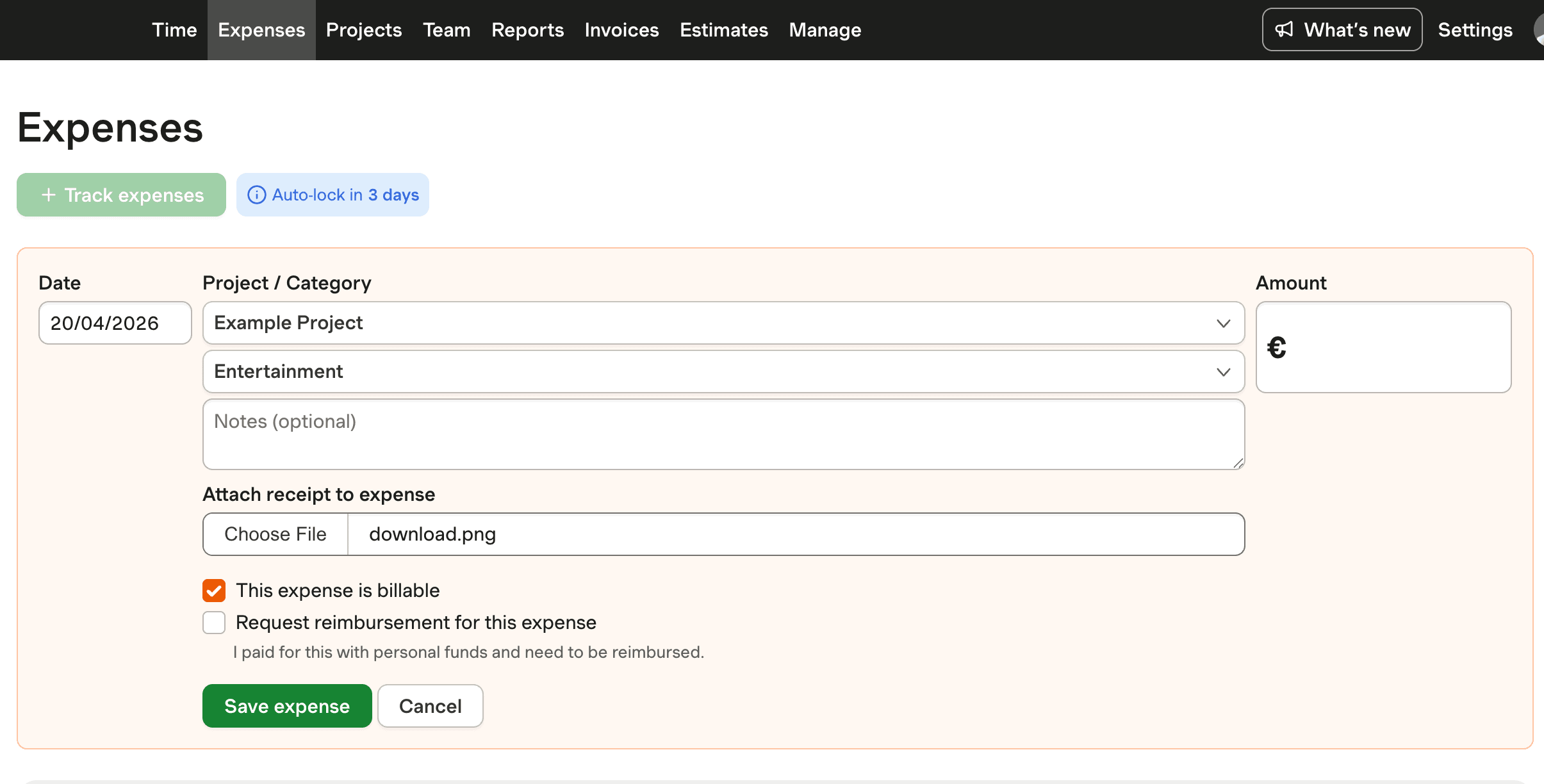
Harvest dashboard showing mileage tracking for IFTA compliance

Ifta Tracking Miles FAQs

  • Tracking IFTA miles manually involves recording odometer readings at state borders and logging the miles traveled in each jurisdiction. This process requires careful attention to detail to ensure accuracy and compliance, especially with the increasing scrutiny from regulatory agencies.

  • Penalties for inaccurate IFTA reporting can be significant. They start at $50 or 10% of the net tax liability due, whichever is greater, plus 1% monthly interest on delinquent taxes. Ensuring accurate reporting is crucial to avoid these fines.

  • Harvest allows users to manually track mileage expenses through custom expense categories. While it does not offer automated GPS tracking, it supports detailed project-based tracking, helping businesses maintain compliance and detailed records.

  • An IFTA report should include total miles traveled, fuel purchased, and fuel tax paid in each jurisdiction. Detailed records of mileage and fuel purchases must be maintained for at least four years to ensure compliance.

  • While GPS tracking can simplify IFTA compliance by automatically logging miles traveled in each jurisdiction, it is not strictly necessary. Manual tracking, as supported by Harvest, can also meet compliance requirements if done accurately and diligently.

  • Harvest does not integrate with fuel logs or support automatic transaction ingestion. Users must manually enter mileage and related expenses to track and report accurately.

  • IFTA reports must be filed quarterly, with deadlines on April 30, July 31, October 31, and January 31. Even if no travel or fuel purchases occurred in a quarter, a "zero return" must be filed to maintain compliance.

  • During IFTA audits, carriers must provide detailed records of driving mileage and fuel purchases. This includes trip origins, destinations, routes, odometer readings, and distance traveled in each jurisdiction.