
Harvest
Expenses
Sign up

Receipt Scanner in Malay

For Malaysian businesses struggling with manual receipt management, Harvest offers a reliable way to track and categorize expenses manually, aiding compliance with LHDN's requirements.

  • Attach receipts to projects & tasks
  • Turn tracked expenses into client invoices
  • Free 30-day trial, no credit card needed

or drag & drop • Images and PDFs, max 10 MB

The Challenge of Manual Receipt Management in Malaysia

Managing receipts manually in Malaysia poses significant challenges, especially with the country's evolving tax and record-keeping requirements. The Inland Revenue Board of Malaysia (LHDN) mandates that businesses retain financial documents, including receipts, for a minimum of seven years, which can be burdensome if not managed digitally. Additionally, manual data entry from physical receipts often leads to errors such as typos, incorrect decimal points, and wrong dates, which can compromise financial accuracy.

Adopting digital solutions can help mitigate these issues. As Malaysia continues to push for digital record-keeping, businesses are encouraged to transition to digital receipt storage, with formats such as PDFs or original e-receipts being accepted by LHDN. This shift not only aligns with legal compliance but also enhances efficiency by reducing the time spent on manual processes.
Harnessing Technology to Streamline Expense Tracking

Incorporating technology into expense tracking can significantly improve productivity and accuracy. With 66% of Malaysian small businesses reporting growth in 2023, many attribute their success to technology investments, such as mobile applications that facilitate receipt scanning and expense management. The shift towards digital solutions is further supported by Malaysia's high digital adoption rates, with 75.6% of Malaysians using cashless payment methods.

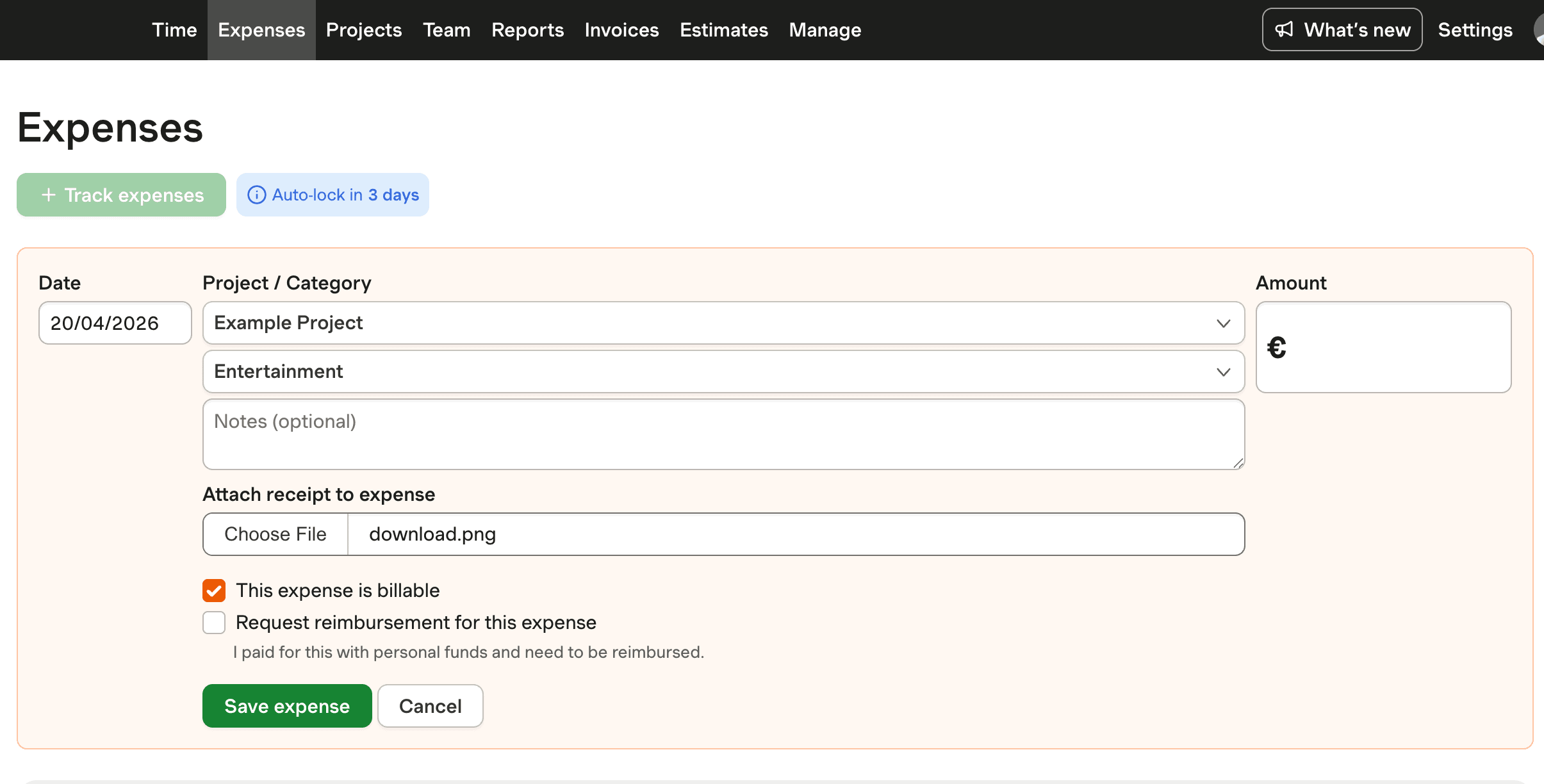
While Harvest does not offer OCR capabilities for receipt scanning, it provides an effective platform for tracking and categorizing expenses manually. This feature is particularly beneficial for small businesses managing project-based expenses. By using Harvest, businesses can ensure their financial records are organized and easily accessible, aiding in compliance with LHDN's retention requirements.

Best Practices for Digital Receipt Management

Adopting best practices for digital receipt management can enhance compliance and organization. Experts recommend immediately scanning or photographing receipts upon receipt to avoid backlog. Utilizing OCR technology can extract data efficiently, although businesses should verify extracted data for accuracy. Naming files systematically in a "YYYY-MM-DD_Supplier_Amount.pdf" format and organizing them by month and category can streamline retrieval.

Harvest, while not offering automatic categorization or OCR, allows users to manually upload and categorize expenses, making it a reliable tool for maintaining organized digital records. This feature is crucial for businesses needing to comply with LHDN's seven-year document retention policy, ensuring that all financial evidence is easily retrievable for audits or tax purposes.

Addressing the Risks of Physical Receipt Deterioration

Physical receipts are vulnerable to fading, damage, or loss, presenting a significant risk for businesses relying on them for financial records. This issue is compounded by the requirement to retain original thermal paper receipts, even after scanning. To mitigate these risks, businesses are increasingly adopting digital storage solutions that ensure backup copies are always available.

Harvest supports the manual upload of receipt images, allowing businesses to digitize their receipts and protect against the deterioration of physical copies. By maintaining digital records, businesses can safeguard their financial documentation, ensuring compliance with LHDN's requirements and reducing the risk of penalties due to lost or damaged receipts.

Navigating Compliance with LHDN Regulations

Compliance with LHDN regulations is critical for Malaysian businesses, with penalties for non-compliance ranging from RM200 to RM20,000. LHDN accepts digital receipts in PDF or original e-receipt formats, but businesses must retain original thermal receipts for the full seven-year retention period. This requirement underscores the importance of a robust digital record-keeping strategy.

Harvest, while not integrating directly with local tax filing systems, offers a straightforward method for businesses to track and categorize expenses manually. By doing so, businesses can maintain accurate records that support compliance with LHDN's directives, avoiding the severe penalties associated with improper record-keeping.

Receipt Management with Harvest

See how Harvest helps Malaysian businesses manage and categorize receipts effectively. Experience streamlined expense tracking.

Harvest expense management interface for Malaysian businesses

Receipt Scanner in Malay FAQs

  • Using a receipt scanner in Malaysia offers significant benefits, including improved accuracy and efficiency. Digital management reduces manual data entry errors and aligns with the Inland Revenue Board's push for digital record-keeping. With 75.6% of Malaysians using cashless payment methods, the adoption of digital solutions is becoming increasingly essential.

  • OCR technology automates the extraction of data from scanned receipt images, saving time and reducing errors associated with manual entry. This technology is particularly useful for ensuring accuracy in financial records, as it minimizes the risk of typos and incorrect data entries.

  • Digital receipt storage is crucial in Malaysia due to LHDN's requirement to retain financial documents for seven years. Digital solutions prevent the deterioration of physical receipts and ensure easy retrieval of financial records, which is essential for audits and compliance.

  • Small businesses can use Harvest to track and categorize expenses manually, ensuring organized financial records. While it does not offer OCR, its features support compliance with LHDN's requirements by providing a straightforward way to manage receipts and expenses.

  • Best practices include scanning receipts immediately, using OCR to extract data, and organizing files systematically by date and category. Regularly backing up these records to the cloud also ensures they are protected against data loss.

  • To comply with Malaysian tax regulations, retain original thermal receipts, and ensure all digital copies are properly organized and backed up. Using tools like Harvest can help maintain accurate and accessible financial records.

  • Harvest allows manual tracking and categorizing of expenses, which can be exported to various accounting software. While it doesn't offer direct integration with local tax systems, it supports efficient financial record management.

  • Physical receipts are prone to fading and damage, making them unreliable for long-term record-keeping. Businesses face the risk of non-compliance with LHDN if receipts are lost or unreadable, emphasizing the need for digital backups.