
Harvest
Expenses
Sign up

Track Per Diem Expenses

Harvest provides a practical solution for small businesses to manually track project-based expenses, ensuring accurate per diem management.

EXPENSE REPORT DRAFT

Drop your receipts here or click to upload

Images and PDFs (max 10 MB each)

Date
Category
Merchant
Description
Amount
Total
$0.00

Customise report

Appearance

Show report title

Report settings

Automate Per Diem Expense Tracking for Efficiency

Automating per diem expense tracking offers significant advantages for businesses, particularly in reducing manual errors and enhancing efficiency. Traditional paper-based methods are prone to inaccuracies, leading to potential compliance issues and wasted resources. By shifting to automated systems, companies can streamline the tracking process, capture receipts digitally, and generate precise reports. This not only reduces the administrative burden but also provides real-time visibility into travel expenses, aiding in better forecasting and budgeting. For instance, automated tools can reduce manual data entry errors, which occur in up to 80% of manually processed timesheets.

Harvest offers a straightforward solution for businesses seeking to manage their project-based expenses manually. While it does not automate per diem rates, it allows for the effective manual entry of expenses, ensuring accurate record-keeping and reporting. This empowers businesses to maintain control over their financials with an easy-to-use platform.
Predictable Cost Control with Per Diem Rates

Implementing per diem rates is an efficient strategy for controlling travel expenses while ensuring compliance with financial regulations. Per diem rates provide a predictable approach to managing costs, preventing overspending on luxury expenses. The U.S. General Services Administration sets standard daily per diem rates, such as the $178 rate for fiscal year 2026, which includes $110 for lodging and $68 for meals and incidental expenses (M&IE). This predictability aids in budgeting and can improve cash flow by enabling timely billing for client-reimbursed expenses.

While Harvest does not offer automated per diem rate integration, it supports custom expense categories, allowing businesses to manually track per diem expenses effectively. By doing so, companies can apply these predictable rates within their own expense management frameworks, ensuring they stay within budget while adhering to compliance requirements.

Simplify Compliance with Per Diem Tracking

Compliance with per diem expense tracking is crucial, particularly when dealing with varying regulations and tax implications. Using federal per diem rates, such as those set by the GSA, helps simplify compliance, as reimbursements within these limits are generally non-taxable to the employee and deductible for the company. This reduces the administrative workload and ensures that businesses remain within the legal framework.

Although Harvest does not handle the tax implications directly, it facilitates manual expense tracking, providing a platform where businesses can input and manage their expenses comprehensively. By keeping detailed records within Harvest, companies can prepare for audits and maintain compliance with regulatory requirements, ensuring that their financial practices remain robust and transparent.

Avoid Common Mistakes in Per Diem Tracking

Tracking per diem expenses accurately is essential to avoid unnecessary financial discrepancies and compliance issues. Common mistakes include using outdated rates, applying flat rates universally, and inconsistent documentation. For example, applying a single flat rate across all locations can lead to underpayments in high-cost areas or overpayments in cheaper regions. Ensuring that records are consistently maintained, even if individual receipts are not required, is crucial for audit purposes.

With Harvest, businesses can manage these challenges by manually tracking expenses and maintaining organized records. Although it doesn’t automate per diem tracking, Harvest allows for the creation of detailed custom expense categories, helping businesses avoid these common pitfalls and maintain accurate records.

Track Per Diem Expenses with Harvest

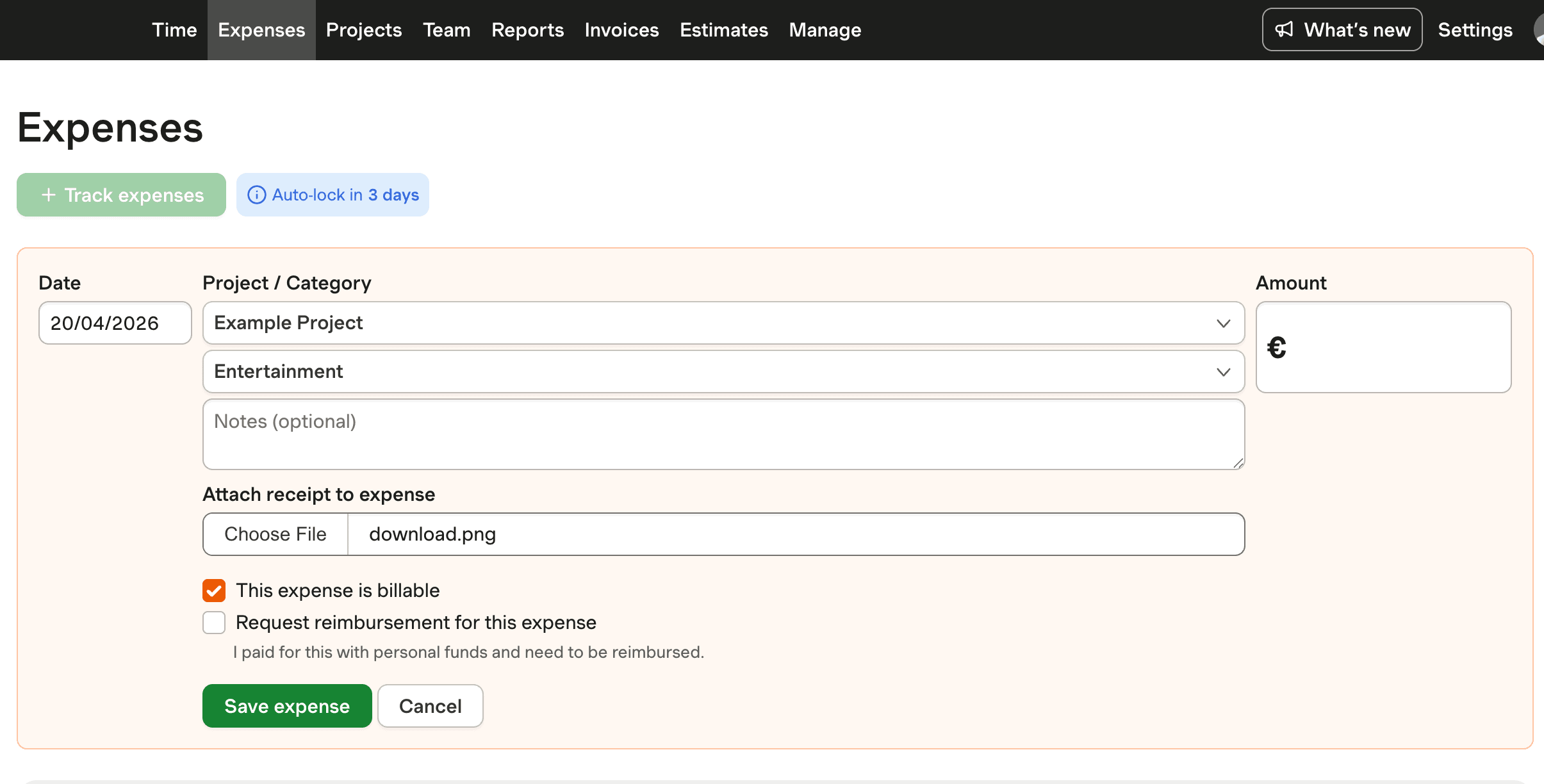
See how Harvest helps manage per diem expenses with manual tracking tools, ensuring accurate record-keeping and compliance.

Harvest interface for tracking per diem expenses

Track Per Diem Expenses FAQs

  • Per diem expenses refer to daily allowances given to employees for travel-related costs, such as lodging, meals, and incidental expenses. This method simplifies tracking and budgeting by providing a set daily rate instead of reimbursing actual expenses.

  • Effective tracking of per diem expenses involves setting clear policies, using government-approved rates, and maintaining organized records. Automated systems can simplify this process, but manual tools like Harvest allow for detailed tracking and compliance with less complexity.

  • Per diem rates offer predictable cost control, simplified compliance, and reduced administrative workload. They help businesses budget travel expenses accurately and ensure that travel reimbursements remain non-taxable under federal guidelines.

  • Harvest provides a platform for manually tracking project-based expenses, including per diem. While it doesn't automate rate calculations, it allows for detailed entry and categorization of expenses, ensuring accurate records and compliance.

  • Avoid using outdated rates and applying flat rates universally. Ensure consistent documentation and apply reduced rates for partial travel days. Tools like Harvest can help manage these aspects manually, minimizing errors.

  • Industries like healthcare, construction, and education rely on per diem to manage travel costs efficiently. It offers flexibility while ensuring compliance with varying regional regulations, helping control budgets in cost-sensitive sectors.

  • Compliance ensures that per diem expenses are non-taxable and deductible, reducing the risk of financial penalties. Using government-set rates and maintaining detailed records are critical for adhering to federal and state regulations.