
Harvest
Expenses
Sign up

Receipt Scanner in Polish

Harvest offers essential expense tracking with manual entry and receipt uploads, ideal for small businesses adapting to digital receipt trends in Poland.

  • Attach receipts to projects & tasks
  • Turn tracked expenses into client invoices
  • Free 30-day trial, no credit card needed

or drag & drop • Images and PDFs, max 10 MB

The Rise of E-Receipts in Poland

Poland is rapidly moving towards adopting e-receipts, a shift that promises both economic and environmental benefits. With the launch of the "e-Paragony 2.0" application, around 20,000 Poles transitioned to using e-receipts within just a month of its release. This initiative aligns with Poland's broader efforts to promote rational shopping and reduce paper waste, given that approximately 20 billion paper receipts are issued annually. These receipts, often printed on non-recyclable thermal paper, represent a significant environmental concern and financial burden for businesses that can cost millions in paper and maintenance expenses.

The move towards digital receipts reflects a broader trend of digitization in the financial management space. While many apps offer basic photo-to-receipt functionality, there is a growing demand for advanced features like Optical Character Recognition (OCR), which enhances the accuracy and efficiency of data entry. However, some government-backed apps currently lack OCR, requiring users to input data manually.
Challenges and Solutions for Polish Expense Management

Managing expenses in Poland, particularly for businesses, comes with specific challenges. The requirement to retain fiscal documents for five years, whether electronically or on paper, poses a logistical burden. Additionally, businesses must ensure compliance with regulations, as failing to issue a fiscal receipt can result in fines ranging from PLN 280 to PLN 56,000. Despite these challenges, the benefits of digitization, such as improved budget control and reduced operational costs, are compelling.

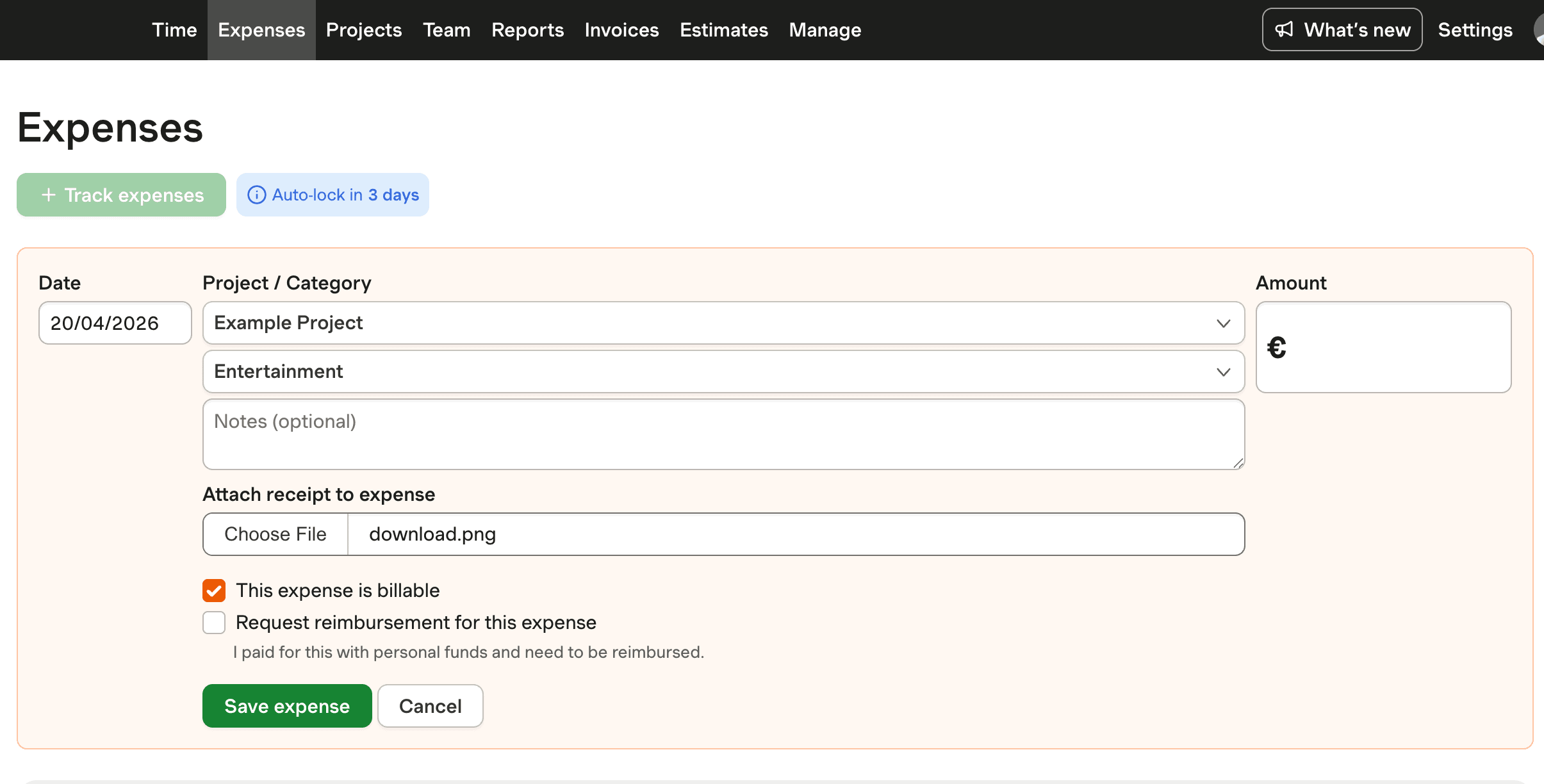
While Harvest does not offer features like OCR technology or integration with Polish accounting software, it provides a straightforward solution for expense tracking. Users can manually enter details and upload receipts, making it suitable for small businesses focusing on project-based expense management. Harvest allows input of notes and categories in any language, providing flexibility for Polish users despite its English-only interface.

Adopting Digital Tools for Business Efficiency

For businesses in Poland, adopting digital tools can significantly streamline operations. Receipt scanning solutions that incorporate OCR technology can drastically reduce manual data entry by automatically extracting information such as vendor name, subtotal, and tax breakdown. However, Harvest focuses on simplicity and reliability, offering manual entry and receipt upload capabilities without the complexities of OCR.

Integrating receipt scanning solutions with accounting systems can further enhance efficiency by reducing clicks by up to 80% through real-time document import and status exchange. While Harvest does not currently integrate with local Polish accounting systems, it remains a viable option for businesses seeking a basic, project-oriented expense tracking tool.

How Harvest Supports Polish Users

Harvest is designed to assist small businesses with expense management, even in environments where complex integrations are not required. While it does not support multilingual receipt recognition or automated categorization, Harvest’s robust manual entry system allows users to manage expenses effectively. Notes and category names can be entered in any language, providing Polish users with the flexibility needed to organize their expenses according to local preferences.

This capability is particularly beneficial in Poland, where the transition to digital receipts is gaining momentum. By offering a reliable platform for manual entry and receipt uploads, Harvest supports users in adapting to new expense management practices without over-relying on automated features that may not yet be fully developed for the Polish market.

Receipt Scanner in Polish with Harvest

See how Harvest supports Polish expense tracking with manual entry and receipt uploads, adapting to digital receipt trends.

Harvest expense tracking interface for Polish receipts

Receipt Scanner in Polish FAQs

  • Without OCR, expenses can be tracked by manually entering receipt details into an expense management tool like Harvest. This method allows you to input information flexibly and ensures accuracy by avoiding OCR errors, especially in languages with specific characters, like Polish.

  • E-receipts are gaining popularity in Poland due to their environmental benefits and cost savings. They eliminate the need for paper receipts, which are often printed on non-recyclable thermal paper, and reduce the expenses associated with paper and printer maintenance.

  • In Poland, fiscal receipts must be stored for five years, aligning with the statute of limitations for tax liabilities. Businesses can choose between storing paper copies or electronic records, depending on their cash register system.

  • While Harvest's interface is English-only, it allows users to enter notes and category names in any language, including Polish. This flexibility helps users manage expenses in their preferred language while using a standardized platform.

  • Harvest offers a straightforward expense tracking solution with manual entry and receipt uploads. It is ideal for small businesses needing reliable project-based expense management without the complexities of automated systems.

  • Harvest does not currently integrate with local accounting software in Poland. However, it remains a valuable tool for businesses that do not require complex integrations, focusing on core expense tracking functionalities.

  • Failure to issue a fiscal receipt in Poland is considered a fiscal offense, punishable by fines ranging from PLN 280 to PLN 56,000. The severity of the penalty depends on the extent of the irregularities.