
Harvest
Expenses
Sign up

Event Expense Sheet

Manage rising event costs and optimize budgets with Harvest, which allows custom category tracking for detailed expense management.

EXPENSE REPORT DRAFT

Drop your receipts here or click to upload

Images and PDFs (max 10 MB each)

Date
Category
Merchant
Description
Amount
Total
$0.00

Customise report

Appearance

Show report title

Report settings

Comprehensive Expense Tracking for Events

Creating a detailed event expense sheet is critical for managing budgets effectively, especially as costs continue to rise. In 2025, event costs like venue and catering are expected to increase by 4.3%, reaching $169 per attendee per day. For organizers, this makes efficient budgeting more essential than ever. An event expense sheet not only outlines projected and actual costs but also helps in ensuring financial stability throughout the planning process.

Harvest offers a solution by enabling detailed line item tracking for various event categories, such as catering, venue, and entertainment. This allows event planners to maintain a clear overview of all expenses, ensuring that no aspect of the budget is overlooked. By categorizing expenses effectively, you can avoid common pitfalls like budget overruns, which affect nearly 50% of event professionals.
Tailored Categories for Different Event Types

Event expenses can vary significantly based on the type of event being planned. For instance, a corporate event may allocate a larger budget portion to venues, while a social event might prioritize entertainment. Understanding these distinctions is crucial for accurate budgeting and resource allocation.

With Harvest, users can create specific expense categories tailored to their event type, whether it's a corporate function or a social gathering. This feature allows for the detailed tracking of costs unique to each event, providing a customized approach to financial management. This flexibility helps prevent the common mistake of underestimating hidden fees, such as security or overtime charges, which can derail even the best-planned budgets.

Optimizing Budget Management with Best Practices

Budget overruns and hidden costs are frequent challenges in event planning. Nearly 50% of event professionals cite rising costs as their top challenge. To mitigate these issues, it's essential to implement best practices in budget management. This includes negotiating vendor contracts, utilizing cost-saving strategies like bundling services, and setting aside contingency funds—typically 10-20% of the total budget—to cover unexpected expenses.

Harvest provides a streamlined platform for tracking these expenses in real time, enabling planners to compare actual spending against estimates continuously. This real-time tracking allows for early identification of discrepancies, facilitating timely adjustments and avoiding budget overflows. Harvest's integration capabilities also enhance accuracy by reducing manual data entry, ensuring a seamless flow of financial information.

Integrating Expense Sheets with Business Processes

For effective financial management, event expense sheets should integrate smoothly with broader business processes. Integrating expense tracking with accounting software like QuickBooks or Xero can significantly enhance invoicing and payment processing efficiency, reducing manual errors and improving overall spend visibility.

Although Harvest does not integrate with project management tools, it excels in incorporating time and expense tracking within its platform. This integration supports comprehensive financial data management, providing dashboards and reports that aid in future budgeting and vendor negotiations. By using Harvest, organizations can streamline their financial processes and gain clear insights into their spending patterns.

Track Event Expenses with Harvest

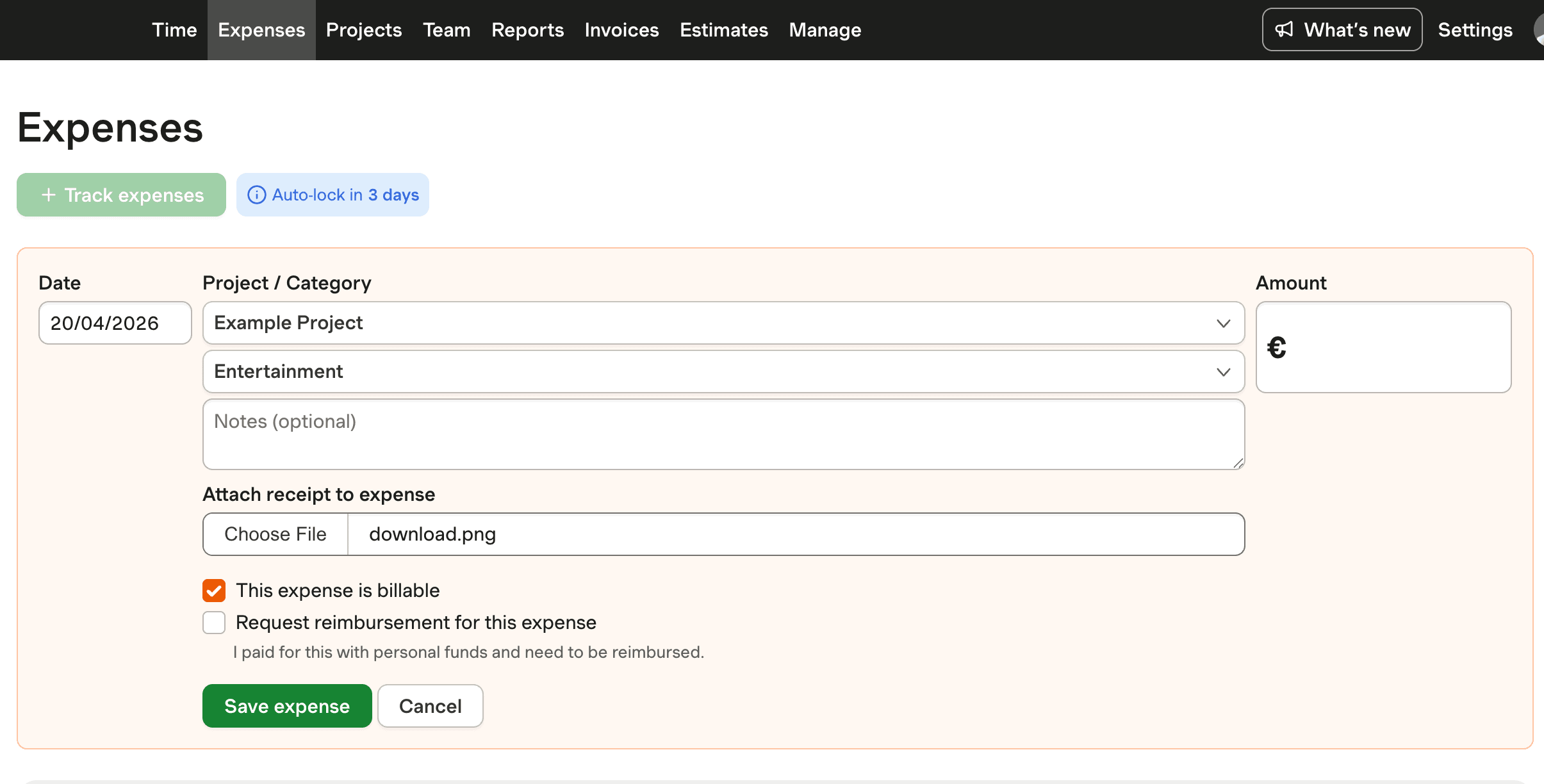
Harvest provides detailed tracking for event expenses, helping manage costs across categories like venue and catering.

Screenshot of Harvest tracking event expenses.

Event Expense Sheet FAQs

  • An event expense sheet should include categories such as venue, catering, entertainment, marketing, and staffing. Additional categories might include transportation, accommodation, and contingency funds to cover unexpected costs.

  • While Harvest provides excellent tracking capabilities, it does not support real-time collaboration features. Teams can manage expenses individually and compile them within the platform.

  • To avoid budget overruns, track expenses in real-time, negotiate vendor contracts, and set aside contingency funds (10-20% of the budget). Continuous monitoring allows for early identification of discrepancies and timely adjustments.

  • Common pitfalls include not tracking expenses in real-time, failing to negotiate with vendors, and underestimating hidden fees like security or overtime charges. These can lead to budget overruns if not managed properly.

  • Harvest allows for detailed line item tracking across various expense categories like catering and venue. This helps maintain a clear overview of all costs, preventing oversight and budget overruns.

  • Harvest allows users to create specific expense categories, enabling tailored tracking for different event types, whether corporate or social. This customization supports varied financial management needs.

  • Yes, integrating expense sheets with accounting software like QuickBooks or Xero enhances invoicing and payment efficiency, reduces manual errors, and improves overall financial visibility.