
Harvest
Expenses
Sign up

Self-Employed Expense Tracker

Self-employed individuals risk losing out on thousands in tax savings without proper expense tracking. Harvest offers real-time tracking and detailed categorization to maximize deductions.

EXPENSE REPORT DRAFT

Drop your receipts here or click to upload

Images and PDFs (max 10 MB each)

Date
Category
Merchant
Description
Amount
Total
$0.00

Customise report

Appearance

Show report title

Report settings

The Importance of Expense Tracking for the Self-Employed

For self-employed individuals, efficient expense tracking is more than just a bookkeeping task; it's a vital practice for maximizing tax deductions and maintaining financial health. Effective tracking can lead to substantial tax savings, ranging from $3,000 to $8,000 annually, with high-income earners potentially saving up to $15,000. However, without consistent tracking, freelancers risk missing an average of $2,400 in legitimate deductions each year. Furthermore, digital expense tracking is becoming increasingly vital, with its adoption reducing audit risks by up to 73% while also minimizing data entry errors.

The growing freelance workforce, which includes approximately 64 million Americans contributing nearly $1.3 trillion to the U.S. economy annually, highlights the need for robust expense management solutions. Many self-employed individuals, however, still struggle with separating personal and business finances, a common issue for nearly 35% of freelancers. This often leads to complications during tax preparation and missed deductions. By establishing dedicated business bank accounts and credit cards, freelancers can more effectively categorize their expenses and maintain compliance with tax authorities.
How Harvest Supports Expense Tracking

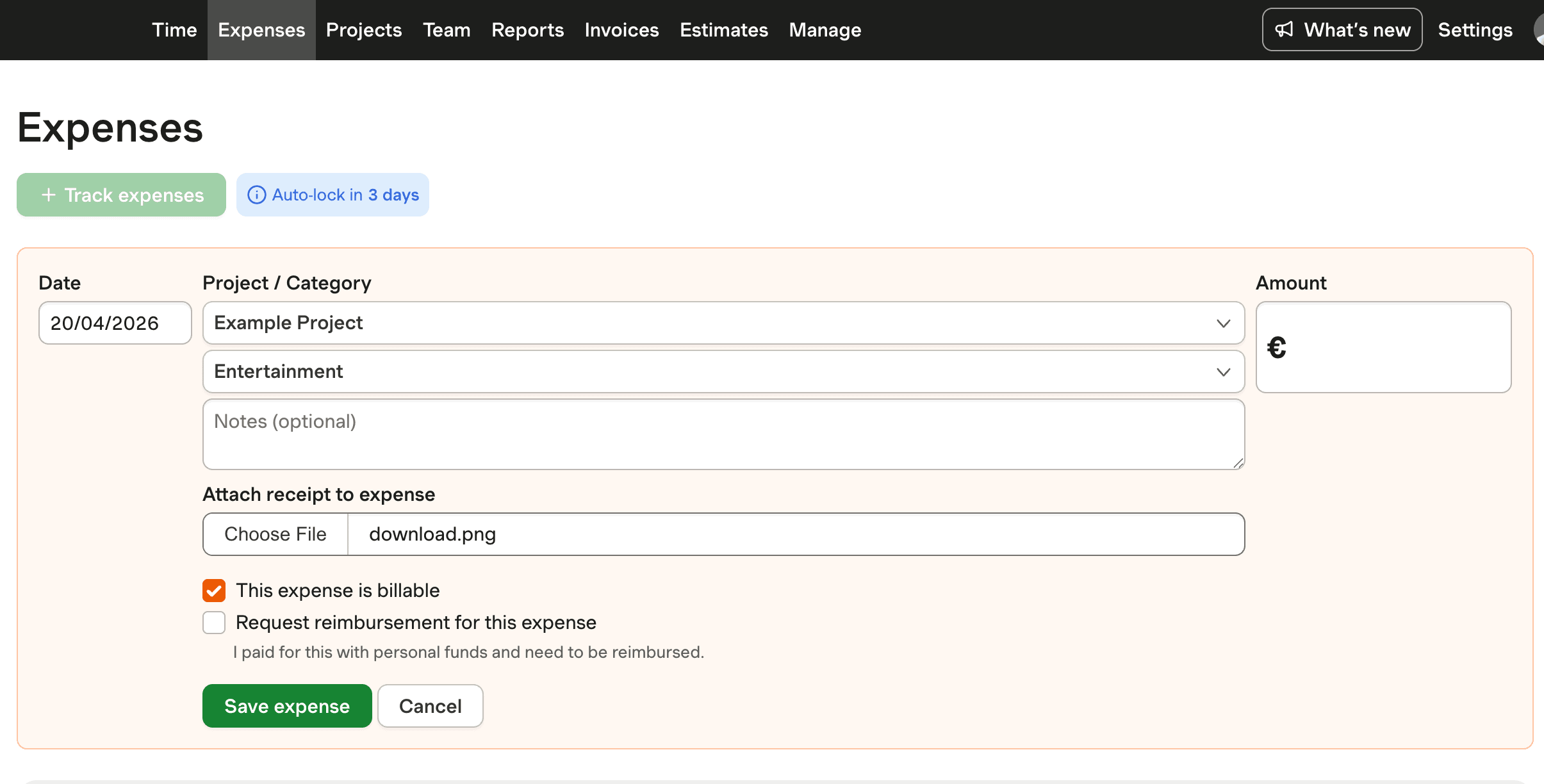
Harvest provides a comprehensive solution for self-employed individuals looking to track their expenses efficiently. It offers real-time expense tracking and reporting, which is crucial for solopreneurs and contractors who need to manage their finances accurately. With Harvest, users can categorize business-related expenses, such as meals and subscriptions, using customizable categories. This detailed categorization helps in organizing financial activities, making it easier to identify potential tax deductions.

Additionally, Harvest allows for project and client-based expense tagging, which simplifies the process of creating accurate invoices. This feature is particularly beneficial for freelancers who work on multiple projects simultaneously, ensuring that all billable expenses are accounted for correctly. Although Harvest does not offer AI-powered automation for expense tracking, its manual entry system ensures that users maintain control over their financial data, promoting accuracy and compliance.

Practical Tips for Effective Expense Management

Implementing effective expense management strategies is essential for the self-employed. One practical tip is transitioning from paper to digital record-keeping, as electronic files are easier to organize and review. Many expense tracking solutions, including Harvest, provide features like customizable categorization and project tagging to streamline financial management. By using these tools, freelancers can better track and manage their expenses, ensuring all potential deductions are captured.

To further optimize expense tracking, self-employed individuals should avoid common pitfalls such as mixing personal and business expenses and neglecting to record small purchases. Even minor expenses, like a $12 parking fee, can accumulate to significant amounts over time if not tracked. Regularly updating and reviewing financial records can help freelancers avoid audit triggers and maintain compliance with tax regulations. Integrating expense management with accounting software can also enhance accuracy and provide real-time financial insights, aiding in better decision-making.

Legal Compliance in Expense Record-Keeping

Maintaining compliance with tax authorities is a critical aspect of expense management for the self-employed. In the United States, the IRS requires receipts for all business expenses claimed as deductions, while digital receipts are accepted if they are clear and organized. Self-employed individuals must keep these records for at least three years, with extensions in cases like underreporting income by more than 25%.

Similarly, in the UK, HMRC mandates record retention for five years post-tax filing, and in Canada, the CRA requires a minimum of six years. Failure to adhere to these regulations can result in penalties, denied deductions, and increased audit risks. Harvest assists users in maintaining compliance through its detailed expense tracking features, allowing for the clear categorization and storage of digital records. By using Harvest, self-employed individuals can ensure that they meet legal requirements while optimizing their financial records for better tax outcomes.

Track Expenses with Harvest

Harvest simplifies expense tracking for the self-employed with real-time tracking and detailed categorization, ensuring all deductions are captured.

Screenshot of Harvest's self-employed expense tracker interface.

Self-Employed Expense Tracker FAQs

  • Tracking expenses allows self-employed individuals to maximize tax deductions, save money, and maintain financial clarity. Without it, they risk missing out on an average of $2,400 in legitimate deductions annually. Additionally, digital tracking minimizes errors and reduces audit risks by up to 73%, streamlining the entire process.

  • Harvest provides real-time expense tracking and detailed categorization, perfect for solopreneurs and contractors. It allows users to tag expenses by project and client, streamlining invoicing and ensuring all business-related costs are accounted for accurately.

  • Separating personal and business expenses prevents complications during tax preparation and ensures accurate categorization of deductions. Nearly 35% of freelancers use the same account for both, which can lead to missed deductions and increased audit risks.

  • Avoid mixing personal and business finances, neglecting to record small purchases, and failing to categorize expenses correctly. These errors can lead to missed deductions and compliance issues. Using digital tools like Harvest can help streamline and accurately track all expenses.

  • Yes, digital receipts are accepted by tax authorities such as the IRS, HMRC, and CRA as long as they are clear, readable, and properly stored. Harvest allows for the organized storage and categorization of such receipts, aiding in compliance.

  • To maximize tax deductions, track all business-related expenses meticulously and categorize them accurately. Using tools like Harvest can help ensure no deductions are missed, enhancing financial management and compliance.

  • Yes, Harvest integrates with popular accounting software like QuickBooks and Xero, automating data transfer and providing real-time financial insights. This integration improves the accuracy of financial reporting and streamlines expense management.