
Harvest
Expenses
Sign up

Trip Expense Report

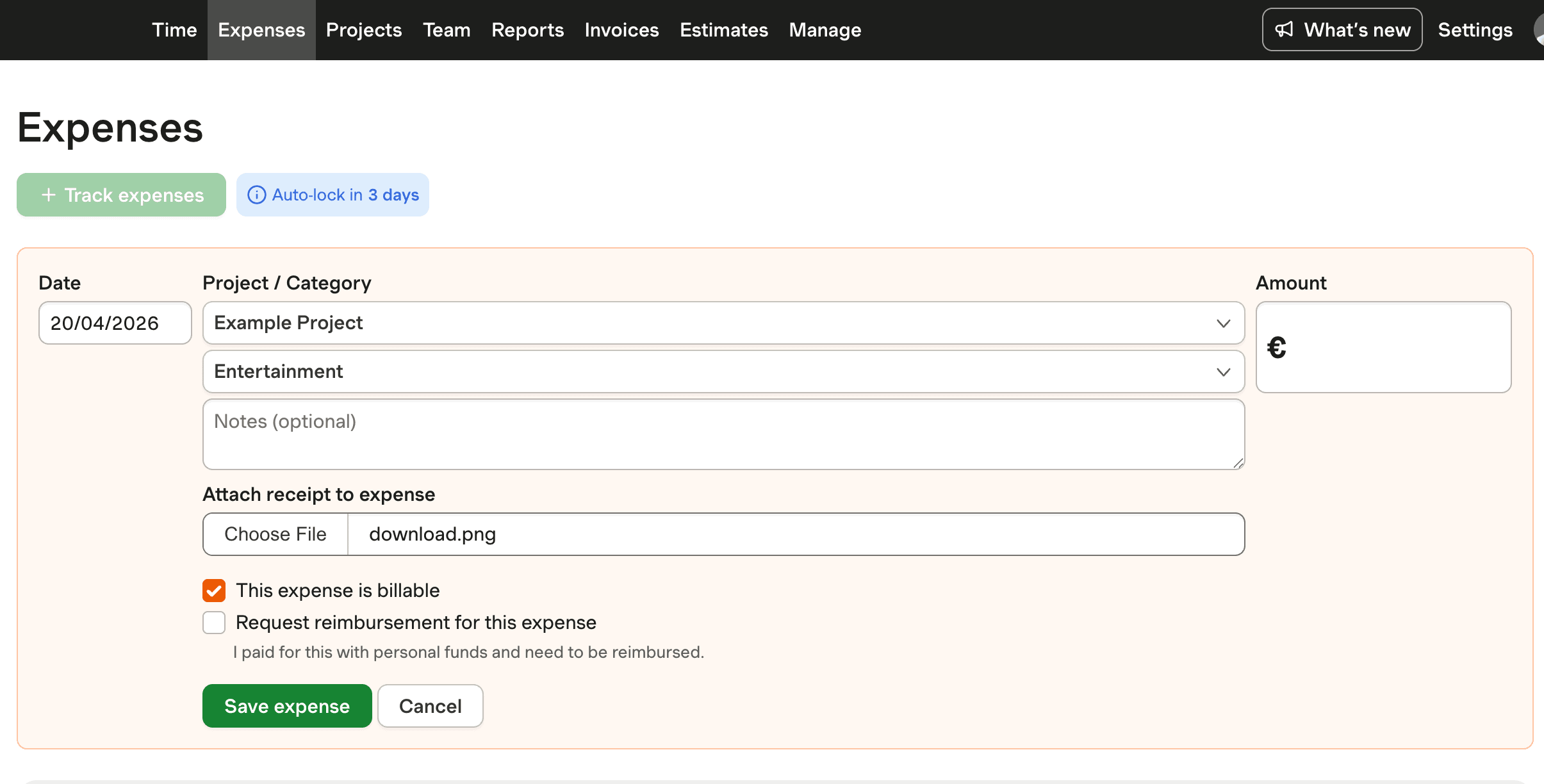
Harvest simplifies trip expense reporting with easy mobile entry and receipt uploads, ensuring accurate records for compliance and reimbursement.

EXPENSE REPORT DRAFT

Drop your receipts here or click to upload

Images and PDFs (max 10 MB each)

Date
Category
Merchant
Description
Amount
Total
$0.00

Customise report

Appearance

Show report title

Report settings

Key Components of a Trip Expense Report

Creating an effective trip expense report involves several key components that ensure comprehensive financial tracking and compliance. A well-structured report should itemize expenses by date, category, and purpose to comply with tax regulations and company policies. On average, 19% of expense reports contain errors, which can lead to costly corrections and delays. To avoid these pitfalls, businesses should prioritize precise documentation and clear categorization of expenses.

Harvest simplifies this process by allowing users to itemize expenses effortlessly. Through detailed categorization and receipt uploads, Harvest ensures that all expenses are accurately recorded. This not only aids in compliance but also streamlines the process for timely reimbursements. Automating these tasks can reduce processing costs per transaction from $58 to $18, making Harvest a cost-effective solution for managing trip expenses.
Streamlining Trip Expense Reporting with Technology

The evolution from manual to digital expense reporting has transformed how organizations handle business travel expenses. Automated systems can reduce processing time and costs by 40% to 60%, making them indispensable for modern businesses. With global business travel spending projected to reach $2 trillion by 2029, efficient expense management is more crucial than ever.

Harvest leverages mobile technology to streamline trip expense reporting, allowing users to enter expenses and upload receipts on-the-go. This capability is particularly beneficial as 54% of businesses now use mobile apps for expense submissions. By integrating with existing financial systems, Harvest enhances data flow and minimizes manual errors, ensuring accurate and timely financial records.

Best Practices for Submitting Trip Expense Reports

Timely submission of trip expense reports is vital to avoid reimbursement delays and financial discrepancies. Organizations often face challenges such as vague policy language and duplicate payments, which can lead to financial losses. It is estimated that manual processing of expense reports can cost companies up to 330 hours annually.

Harvest recommends submitting expenses as part of a weekly timesheet to ensure prompt approval and reimbursement. This practice helps maintain a consistent workflow and prevents the accumulation of pending expenses. Additionally, Harvest's detailed itemization and receipt upload features support accurate record-keeping, reducing the risk of errors and disputes during audits.

Maintaining Accurate Records for Compliance

Accurate record-keeping is essential for compliance and preventing disputes during audits. The IRS mandates proper documentation for all business expenses to qualify for deductions, with penalties for non-compliance reaching up to 20%. Therefore, maintaining precise records is not just best practice but a legal requirement.

Harvest facilitates compliance by allowing users to upload receipts and categorize expenses meticulously. This ensures that all necessary documentation is readily available and accurate. Automating these processes can reduce error rates by 20% and save significant time in correcting discrepancies, effectively supporting businesses in adhering to regulatory requirements.

Leveraging Harvest for Efficient Trip Expense Management

For organizations looking to optimize their trip expense management, leveraging digital tools like Harvest is a strategic choice. By automating expense entry and receipt management, Harvest reduces the administrative friction often associated with manual processes. This efficiency is crucial as companies strive to manage increasing business travel expenditures, projected to exceed $1.57 trillion by 2025.

With Harvest, businesses can achieve a 27% time savings and enhance the accuracy of their financial reporting. The platform's mobile app further simplifies the process, enabling users to capture expenses in real-time, thereby minimizing the chances of errors and ensuring that all business-related expenditures are accurately recorded and reimbursed promptly.

Streamline Trip Expenses with Harvest

Harvest offers easy mobile entry and receipt uploads for trip expenses, ensuring compliance and accurate reporting.

Harvest interface for trip expense reporting

Trip Expense Report FAQs

  • A trip expense report should include all business-related expenses itemized by date, category, and purpose. Receipts and documentation are crucial for compliance and reimbursement.

  • To ensure expenses are reimbursable, follow company policies on what constitutes claimable expenses. Use tools like Harvest to itemize expenses accurately and submit them promptly.

  • Submit reports promptly, ideally as expenses are incurred. Itemize expenses clearly, keep all receipts, and use digital tools like Harvest to streamline the process and reduce errors.

  • Harvest aids in trip expense reports by allowing easy mobile entry of expenses and receipt uploads. It ensures accurate categorization for compliance and timely reimbursements.

  • Common mistakes include vague policies, delayed submissions, and missing documentation. Avoid these by using automated tools like Harvest to maintain accuracy and efficiency.

  • Accurate record-keeping prevents discrepancies and supports compliance with tax regulations. It also facilitates audits and ensures all expenses are justified and reimbursed.

  • Yes, Harvest integrates with various financial systems, enhancing data flow and reducing manual entry errors, thereby supporting efficient financial operations.

  • Automation reduces errors by streamlining processes, such as categorization and receipt management, and by ensuring that all relevant information is captured accurately.

  • Automated systems like Harvest significantly cut processing costs and time, reducing the average cost per report from $58 to $18 and saving hours annually in manual work.