
Harvest
Contracten
Registreer nu

Nda Template in Russian

Navigating the complexities of drafting an NDA in Russian can be challenging. Harvest provides insights into key legal requirements and common pitfalls, ensuring your NDA is effective and enforceable.

Begin met een sjabloon

OVEREENKOMST CONCEPT

Voeg hier je logo toe

Omvang van het werk

Betalingsvoorwaarden

Duur

Handtekeningen

Klant

Hier ondertekenen

Aannemer

Hier ondertekenen

Betaal via:
Creditcard / Debitkaart
ACH
Bankoverschrijving

Contract aanpassen

Uiterlijk

Voeg een logo toe
Toon contracttitel

Contractinstellingen

Betalingsvoorwaarden opnemen Totaalbedrag, aanbetaling en schema
Opzegclausule opnemen Vereiste kennisgeving om het contract te beëindigen
Handtekeningblokken opnemen Beide partijen ondertekenen onderaan

Understanding Key Clauses in a Russian NDA

When drafting a non-disclosure agreement (NDA) in Russian, understanding the essential clauses is crucial to ensure its enforceability. Key components include a clear definition of what constitutes confidential information, specific measures for its protection, and the duration of non-disclosure obligations. Russian law, particularly Article 421 of the Civil Code and Federal Law No. 98-FZ "On Commercial Secrets," provides the legal framework for these agreements.

To enhance enforceability, it’s important to tailor the NDA to the specific relationship and context, whether it involves employees, contractors, or partners. For example, the agreement should explicitly list confidential information and include a "Commercial Secret" designation for documents. Many experts recommend specifying a concrete penalty for each breach to avoid the complexities of proving actual damages in court.

Legal Requirements for Enforceable NDAs in Russia

For an NDA to be legally binding in Russia, it must comply with specific legal requirements. It should clearly define confidential information and establish a commercial secret regime within the organization. This involves restricting access, marking documents, and familiarizing employees with confidentiality rules. Without these measures, an NDA may be deemed ineffective in court, as seen in various legal cases.

Moreover, the NDA should detail procedures for handling confidential data, including transfer, storage, and destruction. Insecure communication channels can undermine confidentiality claims, making it vital to document all disclosures. While Russian law does not limit the duration of NDAs, they typically range up to 10 years, with obligations continuing post-termination. Adaptations based on these guidelines can significantly increase the likelihood of enforcement in Russian courts.

Common Mistakes to Avoid in Russian NDAs

Avoiding common drafting errors is vital for the effectiveness of a Russian NDA. Historically, Russian courts were skeptical of NDAs due to frequent errors and lack of proper execution. However, current judicial practices have shifted, and well-drafted NDAs are now enforceable. One common mistake is failing to implement a commercial secret regime, which is critical for court recognition.

Another pitfall is using generic templates without customization. NDAs should be tailored to specific relationships and the type of information shared. Vague definitions of confidential information and penalties can lead to disputes and enforcement challenges. By addressing these issues, companies can enhance the legal standing of their NDAs and protect their interests effectively.

The Role of Commercial Secret Regimes in NDAs

Establishing a commercial secret regime is a pivotal step in fortifying an NDA in Russia. This legal framework involves creating a comprehensive set of internal measures to protect confidential information. It includes issuing orders to introduce the regime, listing all confidential data, and restricting access within the organization. Familiarizing employees with these measures is essential for compliance.

Without a formal commercial secret regime, an NDA may be largely ineffective, as courts often require more than just a contractual agreement to enforce confidentiality. This requirement underscores the importance of a robust internal framework to accompany any NDA, ensuring that the agreement serves as a functional legal tool rather than a mere formality.

Explore Harvest's NDA Template in Russian

Discover how Harvest guides you through creating an effective NDA in Russian, ensuring clarity and enforceability.

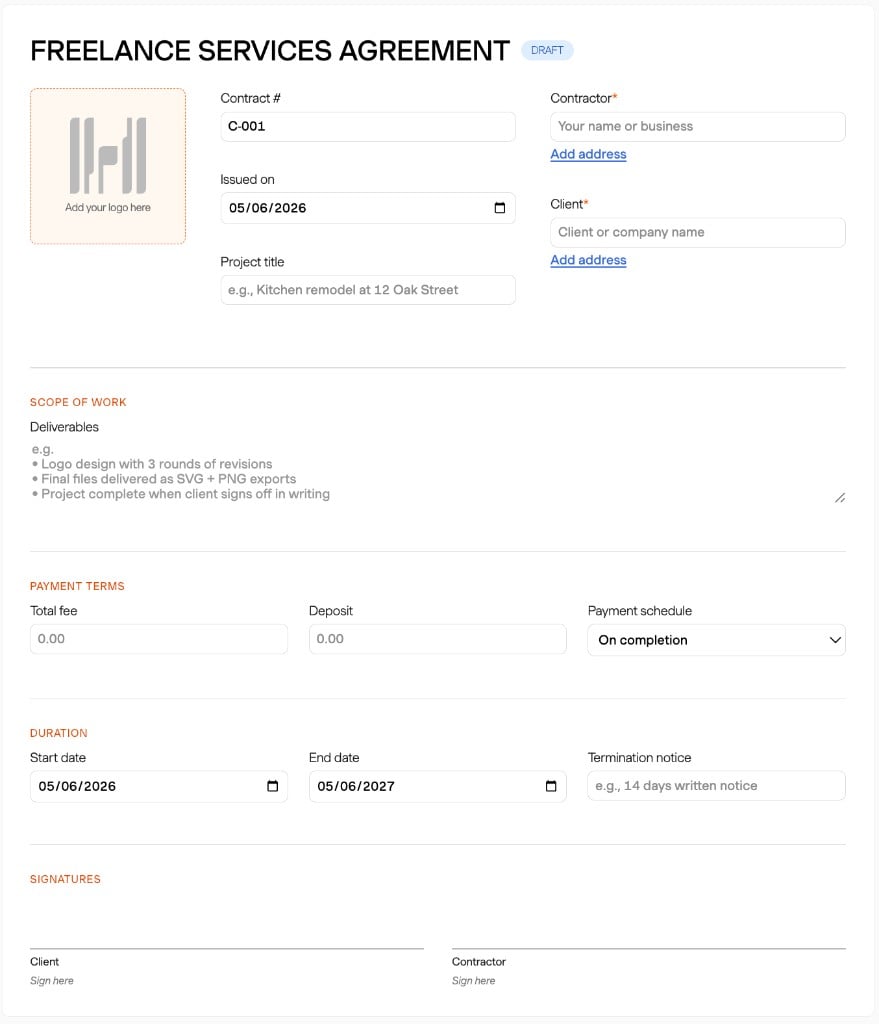
Screenshot of Harvest's NDA template in Russian

Nda Template in Russian FAQs

  • Key clauses for a Russian NDA include clear definitions of confidential information, measures for its protection, and specific non-disclosure periods. Ensuring these elements align with Russian law is critical for enforceability.

  • To make an NDA enforceable in Russia, it must comply with local laws, clearly define confidential information, and include a commercial secret regime. Properly documenting and restricting access to confidential data is also crucial.

  • Yes, NDAs in Russia must align with the Civil Code and Federal Law on Commercial Secrets. They require defined confidential information and a formal commercial secret regime for full legal protection.

  • Avoid using generic templates and failing to implement a commercial secret regime. Ensure the NDA is tailored to your specific needs and includes clear clauses and penalties.

  • Een commercieel geheim regime versterkt een NDA door een gestructureerd kader te bieden voor het beschermen van vertrouwelijke informatie. Het omvat interne maatregelen zoals toegangsbeperkingen en documentmarkering, die essentieel zijn voor juridische erkenning.

  • Sancties in een NDA fungeren als een afschrikmiddel tegen schendingen. Ze moeten specifiek en proportioneel zijn ten opzichte van mogelijke schade, wat de handhaving in geval van een schending vereenvoudigt.

  • Hoewel er geen maximale termijn voor NDA's in Rusland is, duren ze doorgaans tot 10 jaar. Voor gevoelige informatie kan een eeuwigdurende termijn passend zijn, met verplichtingen die verder gaan dan de beëindiging van het contract.