
Harvest
Onkosten
Registreer

Receipt Scanner in Arabic

Businesses in the UAE lose over 13,206 AED per employee due to inefficient expense processes. Harvest helps streamline and digitize these processes.

  • Koppel bonnen aan projecten en taken
  • Zet geregistreerde onkosten om in klantfacturen
  • 30 dagen gratis proberen, geen creditcard nodig

of sleep en plaats • Afbeeldingen en PDFs, max 10 MB

The Need for Accurate Receipt Scanning in Arabic

In today's business environment, accurately digitizing receipts, especially those in Arabic, is critical for effective expense management. The Middle East and Africa region currently holds about 5% of the global digital receipt market share but is poised for growth due to its tech-savvy population. A significant challenge is the cursive nature of Arabic script and the presence of diacritics, which can lead to inaccuracies if not handled properly. The annual cost of inefficient manual expense processes in the UAE alone is over 13,206 AED per employee, highlighting the need for digital transformation.

While many apps claim to support Arabic OCR, their accuracy rates can be under 75% for printed text. However, advanced solutions achieve up to 99% accuracy by leveraging AI and multilingual models. Despite these advancements, no system is flawless, and manual review remains essential. Harvest, while not offering OCR capabilities, provides an efficient platform to manually organize and digitize receipt data, ensuring that all details are accurately captured and preserved for financial reporting.
Harvest's Role in Expense Management

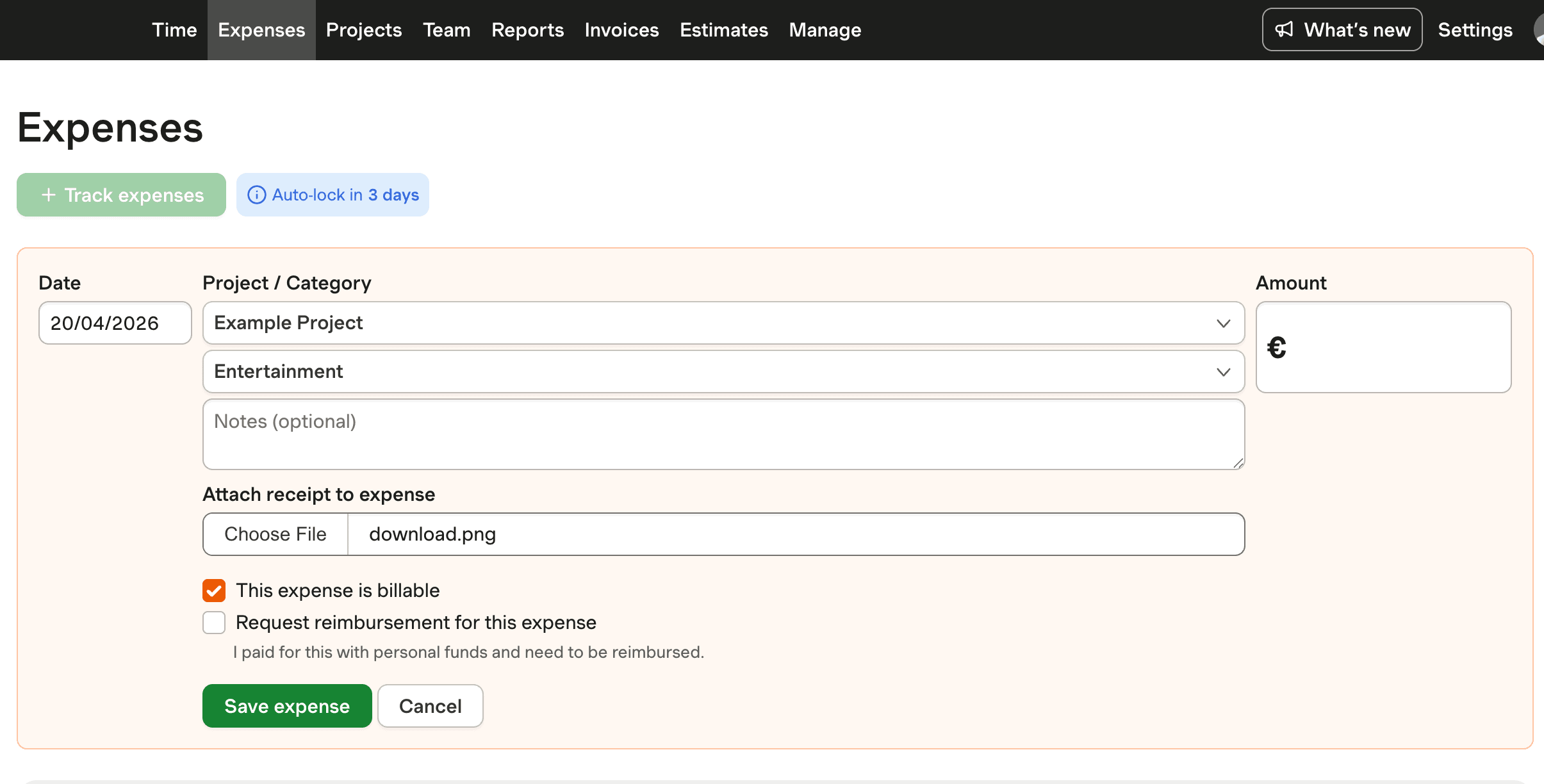
Harvest offers a comprehensive solution for managing expenses, even without OCR. Users can effortlessly capture and upload photos of receipts, preserving them before the thermal print fades. This feature is particularly useful in regions like the UAE, where 1.2 million kilometers of paper receipts are printed annually—most of which are quickly discarded.

By enabling users to export detailed expense reports to Excel or Google Sheets, Harvest allows for seamless budgeting analysis. This export functionality helps streamline financial reporting and compliance, especially crucial in regions with strict e-invoicing mandates like Saudi Arabia. Additionally, Harvest supports organizing receipts by date, project, and category, which is vital for reimbursement processes and zakat record-keeping.

Overcoming Currency and Language Barriers

Managing expenses in different currencies and languages can be challenging. In Saudi Arabia, Phase 2 of the e-invoicing mandate requires invoices to be in Arabic with a potential English translation. While Harvest does not support automatic currency conversion or Arabic OCR, it allows users to set default and client-specific currencies, facilitating manual entry and conversion as necessary.

For businesses operating in the GCC, integrating Harvest into their financial systems can help automate data transfer and categorize expenses, reducing manual entry errors. Although manual entry is required, Harvest's robust organization features enable effective management of diverse financial data, supporting compliance with local regulations.

Practical Tips for Effective Receipt Management

Effective receipt management begins with capturing receipts before they fade, especially those printed on thermal paper. Placing receipts on a flat, dark surface and capturing images in good lighting can significantly improve readability. Harvest enables users to upload these images, ensuring that vital data is stored and accessible.

Organizing scanned files systematically and storing them in the cloud can save time and prevent data loss. Naming conventions such as "YYYY-MM-DD_Location_Item_Amount.pdf" enhance searchability. Integrating Harvest with accounting software further streamlines expense reconciliation, improving financial reporting accuracy without relying on OCR.

Manage Arabic Receipts with Harvest

See how Harvest helps organize and digitize Arabic receipts for effective expense tracking and reporting.

Harvest interface for managing Arabic receipts and expenses.

Receipt Scanner in Arabic FAQs

  • Arabic OCR is challenging due to the cursive nature of the script and diacritics, which can affect accuracy. While modern systems achieve up to 99% accuracy, manual review is still essential for ensuring data integrity.

  • Without OCR, you can manage Arabic receipts by manually capturing and uploading receipt images. Tools like Harvest let you organize these images and export the data for further analysis.

  • While Harvest does not perform currency conversions, it allows users to set default and client-specific currencies, facilitating manual conversions and accurate expense tracking in different currencies.

  • Digital receipt management reduces paper waste, enhances efficiency, and minimizes errors. It supports compliance by ensuring all necessary data is captured and easily accessible for audits or financial reporting.

  • Harvest improves financial compliance by allowing users to organize receipts by date, project, and category. This organization supports accurate financial reporting and adherence to local regulations like Saudi Arabia's e-invoicing mandates.

  • Ongeveer 70-75% van de consumenten geeft de voorkeur aan digitale boven papieren bonnen vanwege hun gemak, efficiëntie en milieuvriendelijkheid.

  • Het digitaliseren van bonnen helpt bedrijven in de VAE om jaarlijks meer dan 13.206 AED per werknemer te besparen door inefficiënte handmatige processen te vermijden. Het stroomlijnt de uitgavenregistratie en verbetert het cashflowbeheer.