
Harvest
Time Tracking
Sign up free

Project Budget Tracker in Israel

Harvest offers a reliable solution for tracking project budgets in Israel, accommodating the high living costs and local financial nuances.

Try Harvest Free

Will this project be profitable?

Estimate your project cost, set the right price, and know exactly how many hours your team can spend before margin disappears.

Total hours across all team members
$
Average rate across all roles on the project
15%
Scope creep is real. Most projects need 10-25% buffer to stay profitable.
Recommended project price $0
Base cost (before buffer) $0
Hours per person per week 0h
Weekly burn rate $0
Max hours before loss 0h

Track project hours with Harvest

Walk through the entire flow below. Start a timer, check your reports, and create a real invoice — all in three clicks.

Go ahead — start tracking!

One click and you're timing. Try it right here: start a timer, add an entry, edit the details. This is exactly how it feels in Harvest.

  • One-click timer from browser, desktop & mobile
  • Works inside Jira, Asana, Trello, GitHub & 50+ tools
  • Duration or start/end — your call
  • Day, week & calendar views to stay on top of it all
  • Friendly reminders so no hour gets left behind
Acme Corp
Website Redesign
Homepage layout revisions
1:24:09
Content Strategy
Blog calendar planning
1:30:00
SEO Audit
Technical audit report
0:45:00
Brand Guidelines
Color system documentation
2:15:00
Logo Concepts
Initial sketches round 1
1:00:00

Understanding the Cost of Living in Israel

Living in Israel comes with a unique set of financial considerations, especially when managing project budgets. The cost of living in Israel is notably high, with prices ranging 20-40% above those in typical American cities and surpassing many European countries. Tel Aviv, in particular, is ranked among the top 10 most expensive cities globally. For a single person, the average monthly cost, including rent, is approximately $2,951.00, while excluding rent, it drops to $1,601.00.

Housing remains the most significant expense. For instance, a 1-bedroom apartment in Tel Aviv's city center can cost between ₪6,500 and ₪9,000 monthly. In contrast, Jerusalem offers slightly lower rates, and Haifa presents more affordable options, with rents ranging from ₪3,500 to ₪5,500. Additionally, expenses like Arnona, utilities, and security deposits add to the financial load. Understanding these local financial factors is crucial when setting up a project budget tracker in Israel.
Housing and Living Expenses: Key Budget Factors

Successfully managing a project budget in Israel requires an in-depth understanding of housing and living expenses. Rent is the primary financial burden, often demanding careful planning. For example, in Tel Aviv, housing costs for a 1-bedroom apartment can range from ₪6,500 to ₪9,000 per month, while Jerusalem offers slightly more affordable rates. Haifa provides the most budget-friendly options, with rents between ₪3,500 and ₪5,500.

Beyond rent, additional housing costs such as Arnona (municipal tax) and utilities (electricity, water, gas, internet) can add ₪1,100 to ₪3,200 monthly. Security deposits, often equivalent to three months' rent, and real estate fees further complicate budget planning. For those tracking project budgets, these factors underscore the importance of a comprehensive tool that accounts for all local expenses.

Food and Transportation: Essential Budget Components

Food and transportation are critical components of the cost of living in Israel, impacting project budgeting significantly. Food prices are approximately 51% higher than in EU countries, with monthly grocery costs for a single person ranging from ₪1,200 to ₪1,500. Eating out is costly too, with casual meals costing $15-30 and upscale dining reaching $40-70 per person.

Transportation, while generally efficient and cost-effective, still requires budget consideration. An inner-city bus ride costs around ₪8, with a monthly pass priced at ₪225. These expenses must be factored into project budgets to ensure accurate financial planning. Using a project budget tracker in Israel, such as Harvest, can provide the necessary tools to manage these costs effectively, ensuring all local expenses are considered.

Managing Project Budgets with Local Insights

Effective project budgeting in Israel involves more than just tracking expenditures; it requires a nuanced understanding of local financial dynamics. From the high cost of living to variable housing and food expenses, every detail counts. With food prices 37% above OECD countries and public transport offering economical options, accurate budget tracking is essential.

Harvest, while primarily a time tracking and invoicing tool, can serve as an invaluable asset in managing project budgets by integrating with other financial tools. This allows users to maintain oversight of both time and financial resources, adapting to Israel's distinct economic landscape. By leveraging these capabilities, project managers can ensure budgets are not only tracked but optimized for local conditions.

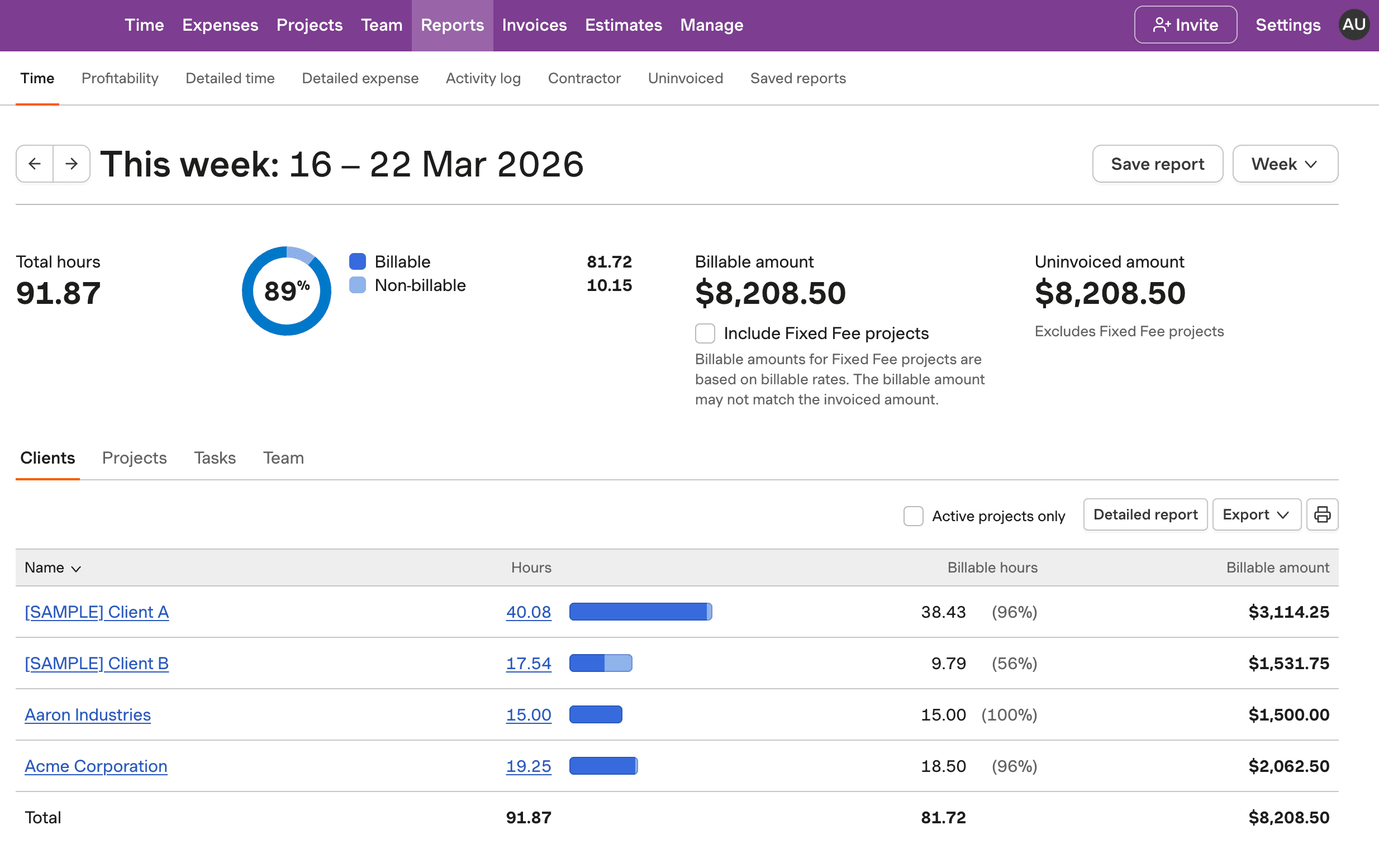
Project Budget Tracking with Harvest

See how Harvest tracks project budgets in Israel, considering local living costs and financial factors.

Screenshot of Harvest tracking project budgets in Israel with local cost factors.

Project Budget Tracker in Israel FAQs

  • The cost of living in Israel is influenced by several factors, including high rent prices, especially in cities like Tel Aviv, food expenses that are 51% higher than in EU countries, and transportation. For instance, a 1-bedroom apartment in Tel Aviv ranges from ₪6,500 to ₪9,000 per month, and monthly groceries can cost ₪1,200 to ₪1,500.

  • Managing housing costs in Israel involves understanding rental prices, which vary by city. Tel Aviv is the most expensive, followed by Jerusalem, with Haifa being more affordable. Additional costs include Arnona, utilities, and security deposits. Using a budget tracker can help manage these expenses effectively.

  • Food expenses in Israel are significant, with prices 51% higher than in EU countries. A single person's monthly grocery budget ranges from ₪1,200 to ₪1,500. Dining out can cost $15-30 for a casual meal and $40-70 for a nicer restaurant.

  • Transportation in Israel is generally affordable and efficient. An inner-city bus ride costs around ₪8, and a monthly pass for unlimited travel is ₪225. These reasonable costs make public transport a viable option for managing budgets.

  • While Harvest is primarily a time tracking and invoicing tool, it integrates with financial systems to help manage project budgets effectively. This integration is crucial for adapting to Israel's distinct economic conditions, ensuring both time and financial resources are well-managed.

  • When budgeting for projects in Israel, consider local living costs, housing, food, and transportation prices. With Tel Aviv among the most expensive cities globally, these factors significantly impact budget planning. Tools like Harvest can provide comprehensive tracking and management solutions.

  • Harvest supports financial tracking by integrating with various financial tools, allowing for comprehensive management of both time and financial resources. This capability is essential for adapting to local conditions in Israel and ensuring accurate project budgeting.