
Harvest
Time Tracking
Sign up free

Project Budget Tracker in Denmark

Managing project budgets in Denmark involves navigating specific regulations and financial practices. Harvest offers solutions tailored to these needs, ensuring compliance and efficiency.

Try Harvest Free

Will this project be profitable?

Estimate your project cost, set the right price, and know exactly how many hours your team can spend before margin disappears.

Total hours across all team members
$
Average rate across all roles on the project
15%
Scope creep is real. Most projects need 10-25% buffer to stay profitable.
Recommended project price $0
Base cost (before buffer) $0
Hours per person per week 0h
Weekly burn rate $0
Max hours before loss 0h

Track project hours with Harvest

Walk through the entire flow below. Start a timer, check your reports, and create a real invoice — all in three clicks.

Go ahead — start tracking!

One click and you're timing. Try it right here: start a timer, add an entry, edit the details. This is exactly how it feels in Harvest.

  • One-click timer from browser, desktop & mobile
  • Works inside Jira, Asana, Trello, GitHub & 50+ tools
  • Duration or start/end — your call
  • Day, week & calendar views to stay on top of it all
  • Friendly reminders so no hour gets left behind
Acme Corp
Website Redesign
Homepage layout revisions
1:24:09
Content Strategy
Blog calendar planning
1:30:00
SEO Audit
Technical audit report
0:45:00
Brand Guidelines
Color system documentation
2:15:00
Logo Concepts
Initial sketches round 1
1:00:00

Understanding Project Budgeting in the Danish Context

Project budgeting in Denmark involves several specific regulatory requirements that ensure transparency and compliance. Projects must be budgeted in Danish Kroner (DKK) and clearly presented for financial clarity. A mandatory contingency margin, typically ranging from 6% to 10%, is required to safeguard against unforeseen expenses such as price fluctuations or unexpected salary increases. For projects exceeding DKK 200,000, an audit by a chartered auditor is often necessary, with auditing costs generally accounting for 2% to 3% of the total grant. Compliance with these rules ensures financial integrity and accountability.

Additionally, organizations must be registered with Danish tax authorities if their budgets include salaries for Danish personnel. This step is crucial for ensuring that tax obligations are met accurately. Danish regulations also stipulate that accounting documentation must be retained for five years after project completion, reinforcing the importance of meticulous record-keeping for sustained compliance. Understanding these requirements is essential for effective project budget management in Denmark.
Essential Features of a Project Budget Tracker for Denmark

A project budget tracker in Denmark must offer features that align with local financial practices and regulatory standards. Real-time expense tracking is vital, allowing teams to monitor project costs as they incur and make timely adjustments. Customizable dashboards enable users to visualize financial data effectively, helping in strategic decision-making. Automated alerts for budget deviations ensure that project managers are promptly informed of any discrepancies, facilitating proactive cost management.

Robust reporting capabilities are another critical feature, providing detailed insights into financial performance and compliance with Danish auditing standards. Integration with time tracking and resource management systems further enhances the tool's utility, offering a comprehensive overview of project finances. By leveraging these features, organizations can maintain financial transparency and efficiently manage project budgets within the Danish regulatory framework.

Navigating Bank Integration and Data Flow

Integrating project budget software with Danish banks poses unique challenges due to varying levels of support for standardized OAuth integrations. Some banks, like Danske Bank, support ISO 20022 XML and SFTP for API integrations, but broader compatibility may require custom solutions or third-party services. These integrations are crucial for automatic synchronization of financial data, reducing manual entry errors and enhancing data accuracy.

To efficiently manage data flow, it is essential to develop strategies for importing and reconciling bank data. This process can involve automating data imports and setting up custom reconciliation rules to ensure alignment with project budget entries. By overcoming these integration challenges, organizations can streamline their financial operations, ensuring that project budgets are continuously updated and reflect real-time financial conditions.

Customizing Expense Categories and Financial Reporting

Customizing expense categories is a key aspect of project budget management, allowing for precise tracking and allocation of costs. In Denmark, this involves defining specific transaction categories that align with project needs or industry standards. By using custom fields, organizations can add context to expenses, aiding in detailed cost allocation to projects or clients, which is critical for compliance with Danish financial regulations.

Financial reporting should be tailored to meet stakeholder requirements, providing clear and concise insights into project financials. Generating reports that highlight budget variances, financial health, and compliance with Danish standards ensures transparency and facilitates informed decision-making. These practices not only enhance financial oversight but also support strategic financial planning and resource allocation.

Best Practices for Effective Project Financial Management

Effective project financial management in Denmark begins with establishing a clear budget that includes a well-defined scope and contingency funds. Gathering historical data for cost estimation and consulting stakeholders are crucial steps in this process. Once the budget is set, monitoring costs in real-time becomes imperative. This can be achieved by utilizing financial software that captures expenses as they occur and sends automated alerts when budget thresholds are approached.

Continuous monitoring allows for timely adjustments, helping to prevent cost overruns. Regularly reconciling planned versus actual costs provides insights into financial performance and supports corrective actions when necessary. By adhering to these best practices, organizations can ensure financial transparency, accountability, and successful project completion within the constraints of the Danish regulatory environment.

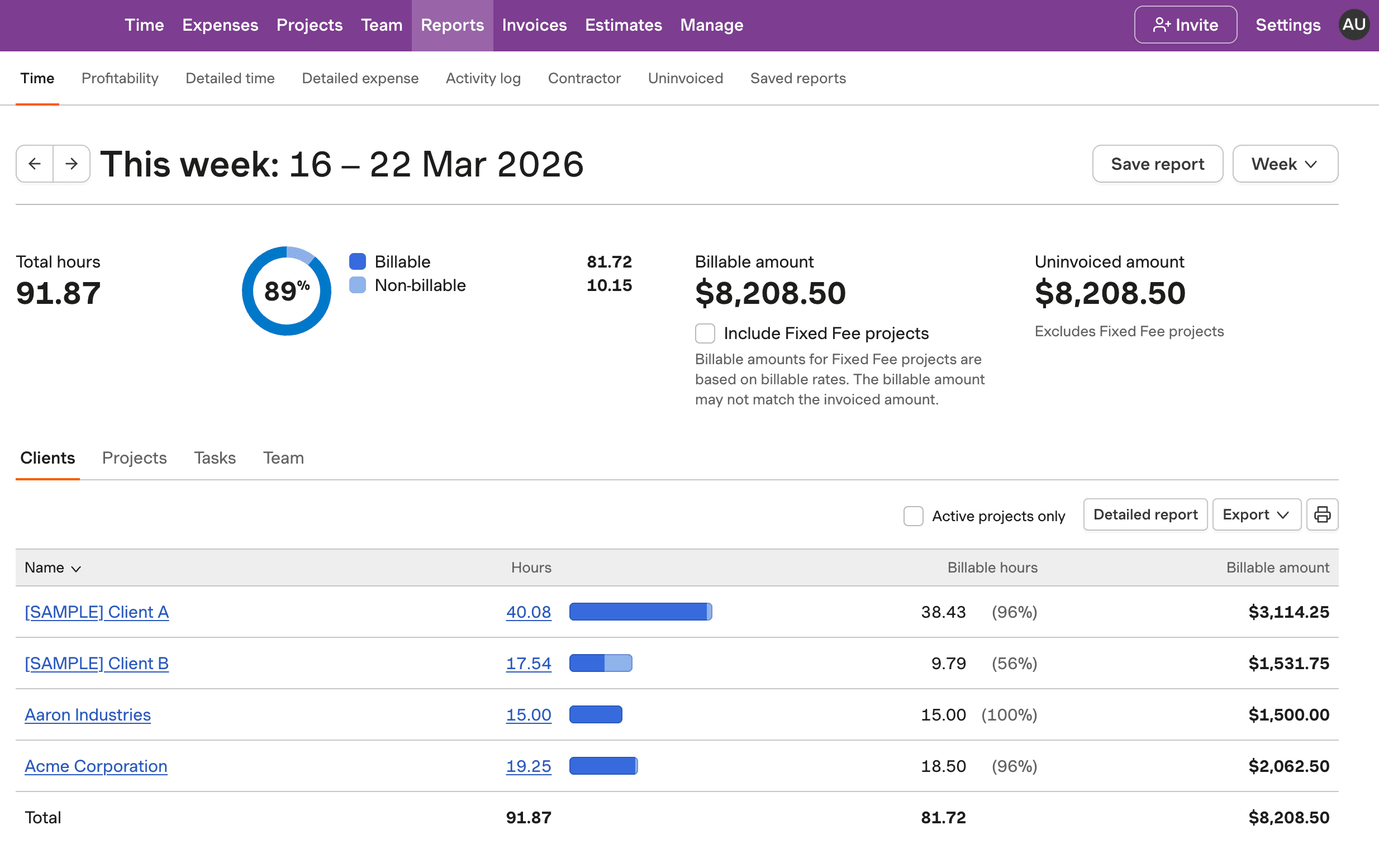
Project Budget Tracking with Harvest

Explore how Harvest's project budget tracker helps manage expenses in Denmark, ensuring compliance and real-time financial updates.

Harvest project budget tracker interface for Denmark

Project Budget Tracker in Denmark FAQs

  • Look for features like real-time expense tracking, customizable dashboards, and integration with Danish banks. Automated alerts and robust reporting capabilities are also essential for effective financial management.

  • Yes, some project budget trackers offer bank integration, though challenges exist due to varying levels of support for standardized integrations. Solutions may include API integration or third-party services for syncing data.

  • Expense categories can be customized by defining specific transaction types and using custom fields for detailed cost allocation. This helps align expenses with project needs and comply with Danish financial standards.

  • Regulations include preparing budgets in DKK, including contingency margins, and adhering to auditing requirements. Organizations must also retain accounting documentation for five years post-project completion.

  • By providing real-time tracking and automated alerts for budget thresholds, project budget trackers help managers monitor expenses closely and make timely adjustments to prevent overruns.

  • Project budget trackers offer financial reports that provide insights into budget variances, compliance, and financial health. These reports are crucial for informed decision-making and financial transparency.

  • Yes, many project budget software solutions integrate with time tracking systems, offering a comprehensive overview of both financials and resource utilization, enhancing overall project management.