
Harvest
Time Tracking
Sign up free

Project Budget Tracker in the Middle East

Harvest is a project budget tracker that excels in real-time expense tracking and budget allocation for enterprises in the Middle East, helping mitigate cost overruns and delays.

Try Harvest Free

Will this project be profitable?

Estimate your project cost, set the right price, and know exactly how many hours your team can spend before margin disappears.

Total hours across all team members
$
Average rate across all roles on the project
15%
Scope creep is real. Most projects need 10-25% buffer to stay profitable.
Recommended project price $0
Base cost (before buffer) $0
Hours per person per week 0h
Weekly burn rate $0
Max hours before loss 0h

Track project hours with Harvest

Walk through the entire flow below. Start a timer, check your reports, and create a real invoice — all in three clicks.

Go ahead — start tracking!

One click and you're timing. Try it right here: start a timer, add an entry, edit the details. This is exactly how it feels in Harvest.

  • One-click timer from browser, desktop & mobile
  • Works inside Jira, Asana, Trello, GitHub & 50+ tools
  • Duration or start/end — your call
  • Day, week & calendar views to stay on top of it all
  • Friendly reminders so no hour gets left behind
Acme Corp
Website Redesign
Homepage layout revisions
1:24:09
Content Strategy
Blog calendar planning
1:30:00
SEO Audit
Technical audit report
0:45:00
Brand Guidelines
Color system documentation
2:15:00
Logo Concepts
Initial sketches round 1
1:00:00

The Evolving Landscape of Project Budget Tracking in the Middle East

The Middle East is experiencing rapid growth in project management software, with the market projected to reach USD 941.6 million by 2030, growing at a CAGR of 14.1%. This surge is driven by an emphasis on digital transformation and the region's commitment to large-scale "giga-projects" like NEOM and Red Sea, which require sophisticated budget tracking solutions. However, challenges persist, as 81% of capital projects have encountered cost overruns, and 79% faced delays, according to a PwC survey. These factors underscore the need for robust project budget tracking tools that can handle the complexities of regional projects.

Enterprises and government organizations in the Middle East must contend with evolving regulatory landscapes, such as VAT and Zakat, which can constitute up to 17% of project budgets in specific sectors. As such, selecting a project budget tracker that integrates with existing financial systems and supports compliance with regional regulations is imperative. By addressing these challenges, organizations can enhance transparency, improve financial control, and drive project success.
Essential Features of Modern Project Budget Trackers for Regional Needs

Choosing the right project budget tracker is crucial for enterprises operating in the Middle East, where real-time expense tracking and automated bookkeeping are paramount. Modern solutions must offer advanced budget allocation and forecasting capabilities to manage the complexities of projects effectively. Customizable workflows for approvals and policy enforcement ensure adherence to regional regulatory requirements, such as zero-based budgeting principles in the UAE.

Integration with existing Enterprise Resource Planning (ERP) and financial systems, such as Oracle, is vital for seamless operations. Additionally, analytics and reporting tools provide data-driven insights, enabling project managers to make informed decisions. Solutions must also support multi-currency and multi-entity operations, reflecting the diverse economic interactions within the GCC region. These features collectively empower organizations to navigate the intricate financial landscapes of the Middle East.

Navigating Regulatory Compliance and Governance in the Middle East

Meeting regulatory compliance and governance standards is a critical concern for enterprises and government organizations in the Middle East. Budget tracking tools must accommodate specific regional regulations, such as Egypt's Program-Based Budgeting and the UAE's zero-based budgeting principles. For instance, compliance costs can account for up to 17% of project budgets, particularly within the construction industry.

To maintain transparency and accountability, organizations should leverage tools that support comprehensive audit trails and secure data protection. The use of regional procurement portals, like Saudi Arabia's Etimad Portal, enhances tendering transparency and mitigates financial risks. By strategically integrating these compliance features, enterprises can ensure adherence to local laws while optimizing financial governance.

Strategic Implementation and Best Practices for Success

Successful project budget tracking in the Middle East involves strategic implementation and adherence to best practices. Establishing clear financial governance is essential, with defined roles and responsibilities for financial oversight. Engaging stakeholders early in the project planning phase ensures alignment and accurate costing, mitigating financial risks.

Technology plays a pivotal role, with integrated tools automating data consolidation and generating real-time dashboards. Localization, such as supporting the Arabic language and right-to-left user interfaces, is critical for user adoption. By following these best practices, organizations can manage project risks, prevent budget deviations, and leverage new tools effectively in conjunction with legacy systems.

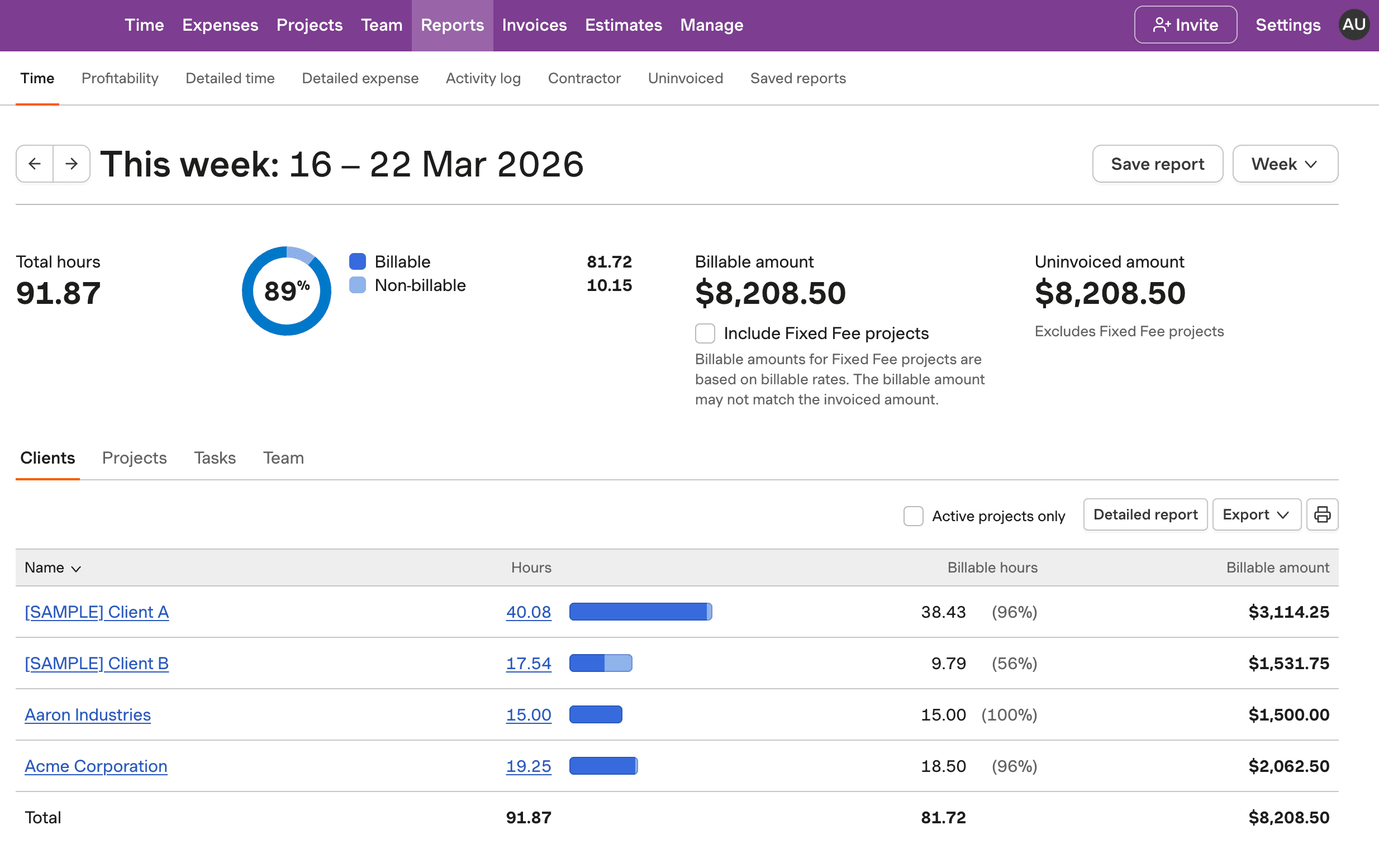
Harvest Project Budget Tracking

See how Harvest provides real-time expense tracking and budget management for Middle Eastern enterprises.

Screenshot of Harvest project budget tracking features tailored for the Middle East.

Project Budget Tracker in the Middle East FAQs

  • A project budget tracker for the Middle East should include real-time expense tracking, advanced budget allocation, and integration with existing ERP systems. Multi-currency support and compliance features for VAT and Zakat are also essential.

  • Tools like Harvest provide real-time budget tracking by automating data consolidation and generating dashboards for immediate insights. This enables project managers to identify and address discrepancies swiftly.

  • Projects in the Middle East often face cost overruns and delays, with 81% of capital projects experiencing overruns. Compliance costs can also account for up to 17% of budgets, particularly in construction.

  • Yes, regulations such as Egypt's Program-Based Budgeting and the UAE's zero-based budgeting principles are important. VAT and Zakat compliance also play a significant role in budgeting.

  • Budget tracking tools can integrate with ERP and financial systems through APIs, allowing seamless data flow and enhancing financial oversight. This integration is crucial for maintaining accurate and up-to-date financial records.

  • Harvest is designed to support localization needs, including Arabic language interfaces and right-to-left user interfaces, making it suitable for Middle Eastern enterprises.

  • By providing real-time tracking and automated alerts, project budget trackers like Harvest help identify potential overruns early. This allows project managers to take corrective action and maintain control over project finances.