
Harvest
Time Tracking
Sign up free

Project Management for It

Only 35% of IT projects succeed, often running 45% over budget. Harvest ensures your projects stay on schedule and within budget with robust tracking tools.

Try Harvest Free

Will this project be profitable?

Estimate your project cost, set the right price, and know exactly how many hours your team can spend before margin disappears.

Total hours across all team members
$
Average rate across all roles on the project
15%
Scope creep is real. Most projects need 10-25% buffer to stay profitable.
Recommended project price $0
Base cost (before buffer) $0
Hours per person per week 0h
Weekly burn rate $0
Max hours before loss 0h

Track project hours with Harvest

Walk through the entire flow below. Start a timer, check your reports, and create a real invoice — all in three clicks.

Go ahead — start tracking!

One click and you're timing. Try it right here: start a timer, add an entry, edit the details. This is exactly how it feels in Harvest.

  • One-click timer from browser, desktop & mobile
  • Works inside Jira, Asana, Trello, GitHub & 50+ tools
  • Duration or start/end — your call
  • Day, week & calendar views to stay on top of it all
  • Friendly reminders so no hour gets left behind
Acme Corp
Website Redesign
Homepage layout revisions
1:24:09
Content Strategy
Blog calendar planning
1:30:00
SEO Audit
Technical audit report
0:45:00
Brand Guidelines
Color system documentation
2:15:00
Logo Concepts
Initial sketches round 1
1:00:00

The Landscape of IT Project Management: Challenges and Opportunities

IT project management is a specialized discipline focused on navigating the complexities of technology-related projects. Despite its critical role in driving innovation and efficiency, only 35% of IT projects are completed successfully. This low success rate is compounded by challenges such as budget overruns, with 66% of projects exceeding their initial budgets by an average of 27%, and schedule delays that can overrun timelines by up to 7%.

These challenges highlight the need for structured project management practices. Research indicates that projects are 2.5 times more successful when such practices are implemented. However, the volatility of technology advancements often requires adaptability, as initial plans can quickly become outdated. This environment presents both challenges and opportunities for project managers to leverage agile methodologies and robust risk management strategies.
Navigating the IT Project Lifecycle: Phases and Methodologies

The IT project lifecycle encompasses five key phases that ensure comprehensive project execution. Initiation involves defining the project scope, goals, and feasibility. Next, during the Planning phase, detailed roadmaps and schedules are developed, along with resource allocation and budget planning. Execution is the longest phase, where the technical solution is implemented and team activities are coordinated.

During the Monitoring & Control phase, progress is tracked against the plan, changes are managed, and risks are mitigated. Finally, Closure involves finalizing deliverables, obtaining formal acceptance, and documenting lessons learned. Popular methodologies to support these phases include Agile, which boasts a 64% success rate, and the more traditional Waterfall approach, with a 49% success rate. Each methodology offers distinct advantages, with Agile being particularly effective in dynamic IT environments.

Overcoming Common Challenges in IT Project Management

IT projects often face unique challenges that require specialized strategies to overcome. Scope creep and budget overruns are particularly prevalent, with 70% of software projects exceeding their initial budget. To mitigate these risks, defining a clear scope and objectives upfront is critical. Additionally, establishing robust communication channels can help translate technical progress into business terms, keeping stakeholders informed and engaged.

Another key challenge is resource management, where effective allocation and skill gap identification are crucial. Investing in continuous training for IT teams can bridge these gaps and enhance project success rates. Proactive risk management, including maintaining a risk register and developing mitigation strategies, is essential in addressing potential technical and business risks early in the project lifecycle.

Leveraging Tools and Technology for Successful IT Projects

The use of technology and tools is integral to managing IT projects effectively. Harvest provides robust time and budget tracking tools that ensure projects stay on schedule and within budget. With integrations to platforms like Asana, Trello, and Jira, Harvest facilitates seamless project management workflows, making it easier to track progress and manage resources.

Furthermore, 54% of project managers are utilizing AI for risk management, with 90% reporting a positive return on investment. These tools enhance productivity and efficiency, with 63% of managers citing increased productivity as a top benefit. Access to real-time Key Performance Indicators (KPIs) is also crucial, yet 47% of organizations lack this access, underscoring the need for solutions that provide timely insights into project performance.

Master IT Project Management with Harvest

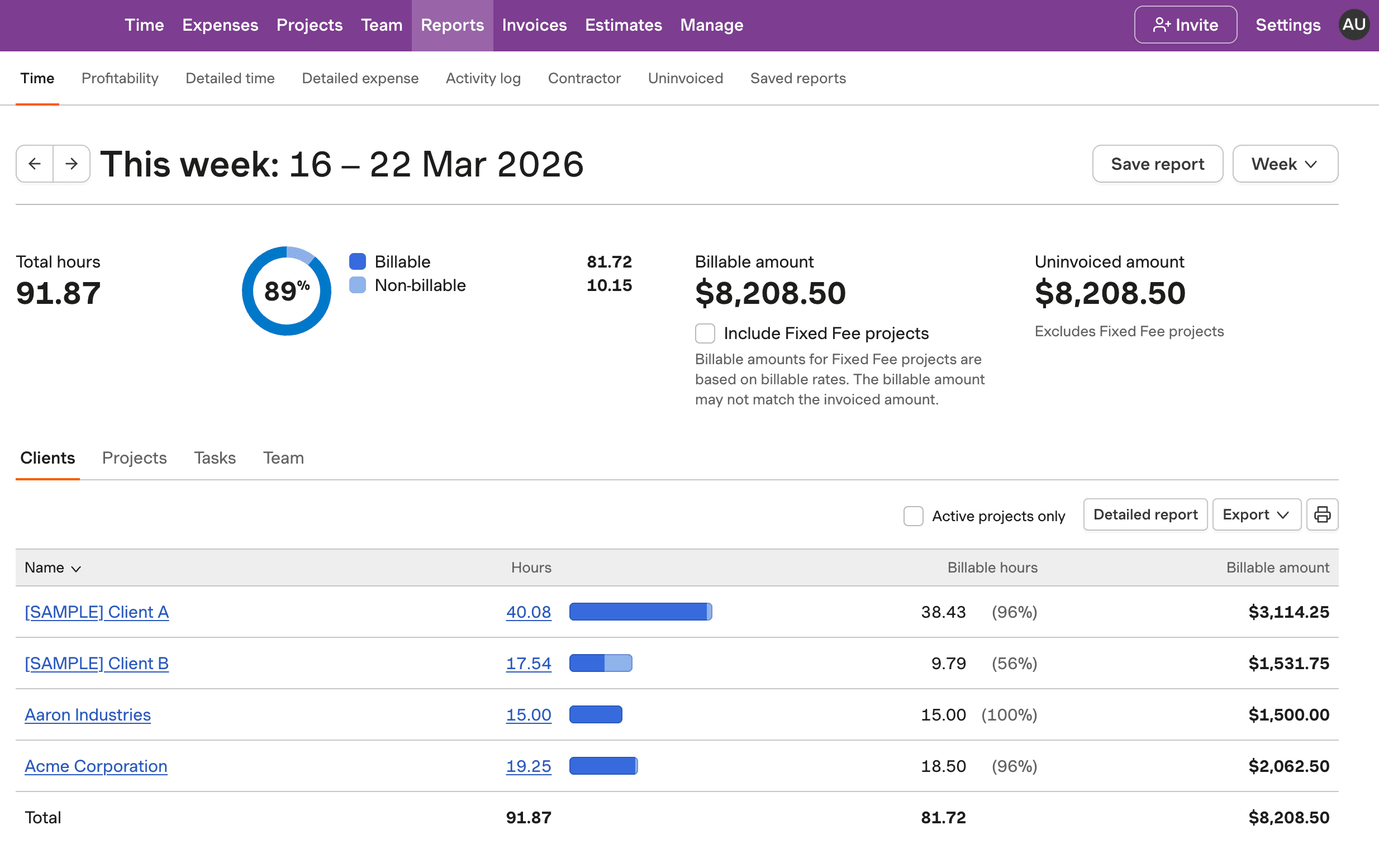
See how Harvest's tools ensure IT projects stay on schedule and within budget, featuring time and budget tracking integrations.

Harvest's project management interface for tracking IT projects.

Project Management for It FAQs

  • The key phases of IT project management include Initiation, Planning, Execution, Monitoring & Control, and Closure. Each phase plays a crucial role in ensuring project success by defining goals, developing schedules, managing execution, tracking progress, and finalizing deliverables.

  • Agile and Waterfall are two prominent methodologies used in IT project management. Agile, with a 64% success rate, is favored for its flexibility and iterative approach. Waterfall, with a 49% success rate, is more structured and linear, making it suitable for projects with well-defined requirements.

  • Harvest offers time and budget tracking tools that help keep IT projects on schedule and within budget. Its integrations with platforms like Asana, Trello, and Jira ensure seamless workflow management and resource tracking, supporting effective project execution.

  • Common challenges include budget overruns, scope creep, and resource management. For example, 66% of projects exceed their budgets. Addressing these requires clear scope definition, robust communication, and proactive risk management strategies.

  • Successful IT project delivery can be achieved through comprehensive planning, effective stakeholder communication, and proactive risk management. Utilizing tools like Harvest for time and budget tracking also supports project success by keeping projects on track and within budget.

  • Tools like Harvest, which offer time and budget tracking, and platforms like Asana, Trello, and Jira, are essential for managing IT projects. These tools provide vital insights into progress and resource allocation, helping to mitigate risks and ensure timely delivery.

  • IT projects often fail due to budget overruns, scope creep, and inadequate resource management. Mitigating these issues involves setting clear objectives, maintaining open communication with stakeholders, and leveraging tools like Harvest for accurate time and budget tracking.