
Harvest
Time Tracking
Sign up free

Project Management for Construction

Harvest provides advanced time tracking and invoicing solutions tailored for construction projects, helping teams avoid the common pitfalls of budget overruns and delays.

Try Harvest Free

Will this project be profitable?

Estimate your project cost, set the right price, and know exactly how many hours your team can spend before margin disappears.

Total hours across all team members
$
Average rate across all roles on the project
15%
Scope creep is real. Most projects need 10-25% buffer to stay profitable.
Recommended project price $0
Base cost (before buffer) $0
Hours per person per week 0h
Weekly burn rate $0
Max hours before loss 0h

Track project hours with Harvest

Walk through the entire flow below. Start a timer, check your reports, and create a real invoice — all in three clicks.

Go ahead — start tracking!

One click and you're timing. Try it right here: start a timer, add an entry, edit the details. This is exactly how it feels in Harvest.

  • One-click timer from browser, desktop & mobile
  • Works inside Jira, Asana, Trello, GitHub & 50+ tools
  • Duration or start/end — your call
  • Day, week & calendar views to stay on top of it all
  • Friendly reminders so no hour gets left behind
Acme Corp
Website Redesign
Homepage layout revisions
1:24:09
Content Strategy
Blog calendar planning
1:30:00
SEO Audit
Technical audit report
0:45:00
Brand Guidelines
Color system documentation
2:15:00
Logo Concepts
Initial sketches round 1
1:00:00

The Foundation of Success: Understanding Construction Project Management Fundamentals

Project management for construction is a specialized discipline that integrates resources, technical expertise, and strategic coordination to oversee the planning, coordination, and execution of construction projects. Unlike general project management, it emphasizes the physical building processes, strict regulatory compliance, and the use of specialized construction methodologies. In 2023, the U.S. construction industry accounted for 4.5% of the GDP, employing 8.2 million people. As the industry grows, with a 9% increase in management roles projected through 2023, understanding these fundamentals is crucial for successful project delivery.

The primary objectives of construction project management are to deliver projects on time, within budget, and to the specified quality and safety standards. However, 98% of construction projects exceed their budget, and 77% experience significant delays. Effective stakeholder management involving project owners, contractors, architects, engineers, subcontractors, and regulatory authorities is essential to mitigate these issues and enhance project outcomes.
Navigating the Construction Project Lifecycle: Phases and Best Practices

The construction project lifecycle comprises several phases: Initiation, Planning, Procurement, Execution, Monitoring, and Closure. Each phase requires meticulous planning and execution to ensure project success. During the Initiation phase, defining clear project objectives and conducting feasibility studies are critical. In the Planning stage, developing a detailed project plan with a Work Breakdown Structure and using scheduling frameworks like the Critical Path Method are essential.

Despite these structured processes, nearly 70% of construction projects are not completed on time. Monitoring and controlling involve tracking progress and costs in real-time, conducting quality audits, and managing changes through formal procedures. Mature organizations with developed project management capabilities report 74% of their projects delivered on budget, demonstrating the importance of adhering to best practices.

Essential Tools and Technologies for Modern Construction Project Management

Modern construction project management greatly benefits from integrated software solutions that streamline scheduling, budgeting, document management, and collaboration. In 2023, 46% of engineering and construction firms adopted integrated project management information systems, highlighting the industry's shift towards technology-driven management. These platforms enhance communication, reduce errors, and improve overall efficiency.

Specialized tools for scheduling, such as Gantt charts, and for budgeting and cost tracking are indispensable. Additionally, Building Information Modeling (BIM) plays a significant role in design, visualization, and collaboration, while AI-driven tools optimize scheduling and progress tracking. Adopting these technologies not only mitigates common challenges like cost overruns and delays but also ensures compliance with regulatory standards.

Overcoming Challenges and Ensuring Project Delivery Excellence

Construction projects often face challenges such as cost overruns, project delays, and scope creep. Nearly 40% of firms in 2023 reported missing budget and schedule targets due to inadequate risk management. Effective communication strategies, regular stakeholder meetings, and centralized information sharing can mitigate these issues. Additionally, selecting the right project delivery method—such as Design-Bid-Build or Integrated Project Delivery—can significantly impact project outcomes.

Regulatory compliance is another critical aspect, with adherence to OSHA standards and local building codes being paramount in the U.S. Proactive risk and safety management, combined with continuous improvement practices like data analysis and lessons learned, are vital for achieving project delivery excellence. By addressing these common hurdles, construction managers can significantly enhance project success rates.

Professional Development: Certifications for Construction Project Managers

Certifications play a crucial role in advancing the careers of construction project managers. Key certifications include the PMI Construction Professional (PMI-CP), Certified Construction Manager (CCM), and Project Management Professional (PMP). These credentials enhance skills, provide industry recognition, and demonstrate expertise in complex project management, contract management, and leadership.

The Project Management Institute estimates a need for 25 million project management professionals globally by 2030, with the construction industry alone requiring around 7 million project managers. Continuous professional development through certifications and ongoing education is essential to keep pace with evolving industry practices and technologies, ensuring managers are equipped to handle modern construction challenges.

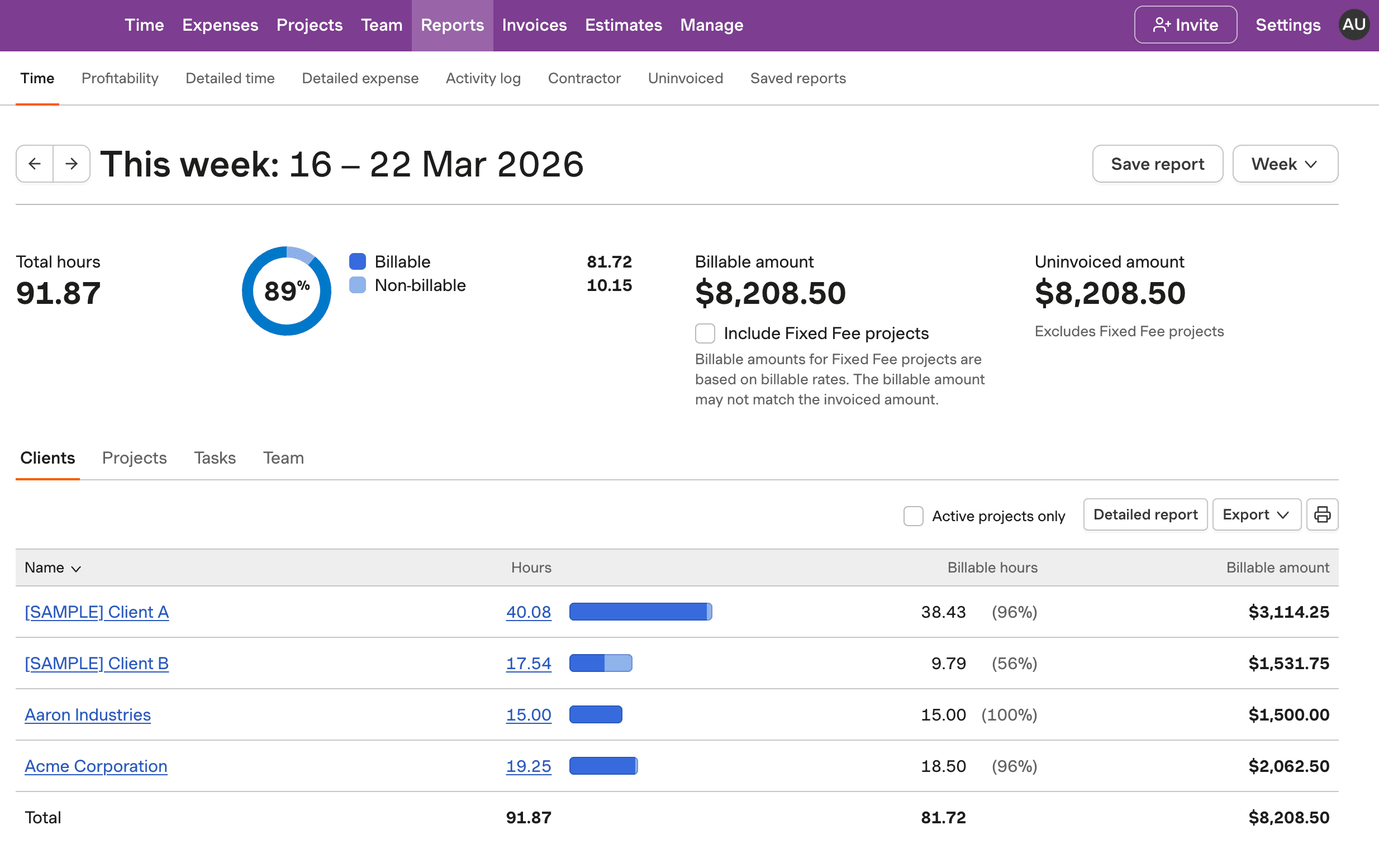
Harvest and Construction Project Management

Discover how Harvest's time tracking and invoicing tools streamline construction project management, ensuring efficient and timely completions.

Harvest dashboard showcasing construction project management features

Project Management for Construction FAQs

  • Construction project management typically involves phases like Initiation, Planning, Procurement, Execution, Monitoring, and Closure. Each phase focuses on different aspects of managing resources, timelines, and compliance to ensure successful project delivery.

  • To avoid budget overruns and delays, construction projects should employ meticulous planning, integrated project management software, and effective communication strategies. Adhering to budgeting frameworks and real-time cost monitoring are also essential.

  • Essential technologies include integrated project management software, Building Information Modeling (BIM), AI-driven tools for scheduling, and specialized software for budgeting and cost tracking. These enhance efficiency and ensure compliance with industry standards.

  • Harvest offers flexible project management tools that can be adapted for construction projects, allowing for effective time tracking and invoicing. This helps teams stay on budget and schedule, reducing common project delays.

  • Key certifications include PMI Construction Professional (PMI-CP), Certified Construction Manager (CCM), and Project Management Professional (PMP). These enhance skills and industry recognition, supporting career advancement.

  • Mitigating labor shortages involves strategic workforce planning, investing in training programs, and adopting technologies to improve productivity. Engaging with educational institutions can also help attract new talent to the industry.

  • The choice of project delivery method, such as Design-Bid-Build or Integrated Project Delivery, impacts collaboration, risk allocation, and communication. Selecting the appropriate method aligns project goals with stakeholder expectations and optimizes outcomes.