
Harvest
Time Tracking
Sign up free

Project Management for Logistics

Harvest optimizes logistics project management by integrating with tools like Asana and Jira, ensuring efficient time tracking and risk management.

Try Harvest Free

Will this project be profitable?

Estimate your project cost, set the right price, and know exactly how many hours your team can spend before margin disappears.

Total hours across all team members
$
Average rate across all roles on the project
15%
Scope creep is real. Most projects need 10-25% buffer to stay profitable.
Recommended project price $0
Base cost (before buffer) $0
Hours per person per week 0h
Weekly burn rate $0
Max hours before loss 0h

Track project hours with Harvest

Walk through the entire flow below. Start a timer, check your reports, and create a real invoice — all in three clicks.

Go ahead — start tracking!

One click and you're timing. Try it right here: start a timer, add an entry, edit the details. This is exactly how it feels in Harvest.

  • One-click timer from browser, desktop & mobile
  • Works inside Jira, Asana, Trello, GitHub & 50+ tools
  • Duration or start/end — your call
  • Day, week & calendar views to stay on top of it all
  • Friendly reminders so no hour gets left behind
Acme Corp
Website Redesign
Homepage layout revisions
1:24:09
Content Strategy
Blog calendar planning
1:30:00
SEO Audit
Technical audit report
0:45:00
Brand Guidelines
Color system documentation
2:15:00
Logo Concepts
Initial sketches round 1
1:00:00

The Strategic Imperative of Project Management in Logistics

Effective project management is crucial for logistics operations, ensuring projects are completed on time and within budget. Only 35% of projects achieve this success, highlighting the need for structured management practices. By implementing these, projects are 2.5 times more likely to succeed, according to PMI's 2024 research. Logistics operations often face unique challenges, such as fluctuating demands and regulatory requirements, that require meticulous planning and execution.

The financial stakes are high, with organizations losing $1 million every 20 seconds due to poor project management. This inefficiency underscores the importance of robust project governance. Project management in logistics provides the necessary structure and oversight to navigate these complexities, ensuring efficient resource allocation, quality control, and cost management across the supply chain.
Foundational Methodologies and Best Practices

Logistics project management follows five core stages: Initiation, Planning, Execution, Monitoring & Control, and Closure. Each stage is critical for maintaining project alignment with business objectives. For example, during the Planning phase, clear objectives and strategic roadmaps are essential. This includes resource allocation, risk management, and schedule development to anticipate potential disruptions.

Hybrid methodologies, combining Agile and Waterfall approaches, are increasingly popular, with 31.5% of companies adopting them. Agile projects boast a 64% success rate, significantly higher than the 49% for traditional Waterfall methods. This adaptability is vital in logistics, where real-time changes can significantly impact outcomes. Additionally, integrating Lean Six Sigma ensures continuous process improvement and efficiency gains, essential for maintaining competitive advantage in the logistics sector.

Essential Tools and Technologies for Modern Logistics Projects

Modern logistics projects leverage advanced technologies to enhance efficiency and visibility. Digital tools for task coordination and progress tracking are indispensable. Project management software facilitates collaboration and documentation, ensuring all team members are aligned and informed. Specialized logistics technologies, such as Transportation Management Systems (TMS) and Warehouse Management Systems (WMS), optimize routes and inventory, respectively.

The integration of AI, IoT, and blockchain technology further enhances logistics operations by providing real-time visibility, predictive analytics, and automation. These technologies allow logistics managers to make informed decisions quickly, improving overall project outcomes. Additionally, demand forecasting tools help anticipate future needs, preventing overstocking or stockouts, which are costly for logistics operations.

Navigating Challenges and Emerging Trends in Logistics

Logistics project managers face numerous challenges, including coordinating multiple stakeholders and managing tight timelines. The average project cost overrun is 27%, emphasizing the need for proactive risk management. Emerging trends such as sustainability and automation are reshaping the logistics landscape. The logistics automation market is projected to reach $88.9 billion by 2026, illustrating the growing reliance on technology to improve efficiency.

Regulatory compliance is another critical area, with evolving regulations affecting logistics operations. For instance, California AB98 and the SCAQMD Rule 2305 impose new standards that logistics projects must meet. Harvest enhances logistics project management by integrating with tools like Asana and Jira, enabling efficient time tracking and risk management, which are essential for navigating these complexities and ensuring project success.

Enhance Logistics Project Management with Harvest

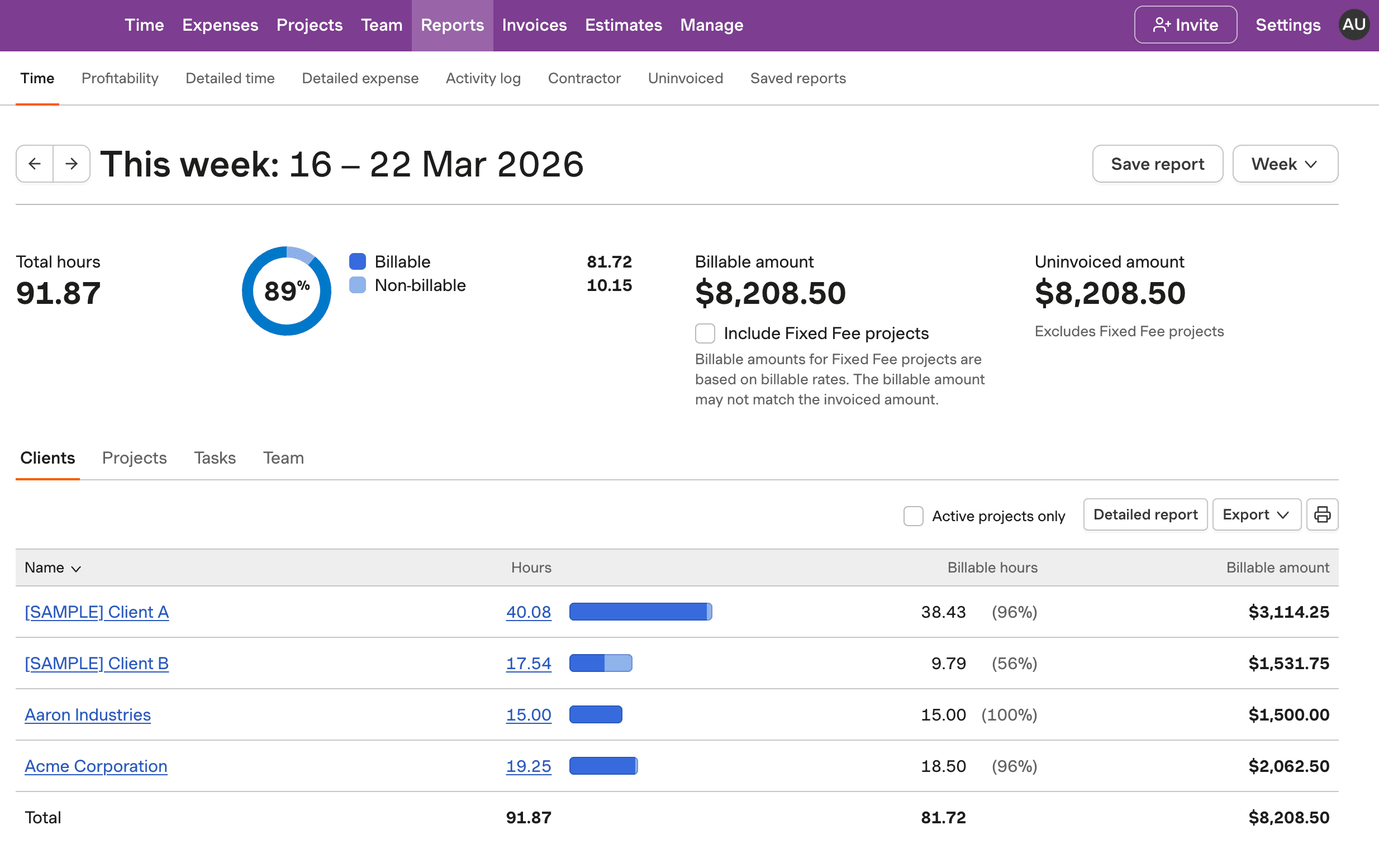
See how Harvest integrates with Asana and Jira for efficient time tracking and risk management in logistics projects.

Project management dashboard for logistics using Harvest

Project Management for Logistics FAQs

  • Best practices include defining clear objectives, strategic planning, and robust risk management. Utilizing hybrid project management methodologies like Agile and Waterfall can improve adaptability. Effective communication and stakeholder coordination are also crucial. Incorporating Lean Six Sigma can further enhance efficiency.

  • Project management improves logistics efficiency by providing structure and governance. It ensures projects are completed on time and within budget, reducing the risk of cost overruns and inefficiencies. Additionally, it facilitates better resource allocation and quality control across the supply chain.

  • Essential tools include digital planning and monitoring software, Transportation Management Systems (TMS), and Warehouse Management Systems (WMS). These tools support task coordination, progress tracking, and real-time updates. Technologies like AI and IoT further enhance visibility and decision-making.

  • Common challenges include managing multiple stakeholders, tight timelines, and regulatory compliance. The average project cost overrun is 27%, highlighting the need for effective risk management. Emerging trends such as sustainability and automation also present new challenges and opportunities.

  • Harvest integrates with popular project management tools like Asana, Trello, and Jira, enhancing logistics operations by facilitating efficient time tracking and risk management. This integration helps teams manage tasks effectively and ensure project success.

  • Key trends include the increasing focus on sustainability, automation, and digitalization. The logistics automation market is projected to reach $88.9 billion by 2026. These trends drive the need for real-time data, supply chain agility, and transparency, as well as proactive compliance strategies.

  • Technology enhances visibility through digital tools that provide real-time updates, predictive analytics, and automation capabilities. Tools like TMS and WMS optimize routes and inventory, while AI and IoT offer improved decision-making and increased operational efficiency.

  • Harvest plays a vital role in risk management by integrating with tools like Asana and Jira. This integration allows teams to track time efficiently, manage tasks, and anticipate potential disruptions, ensuring smoother project execution and enhanced risk management.

  • Logistics projects benefit from hybrid methodologies that combine Agile and Waterfall approaches. Agile's flexibility and Waterfall's structure address the dynamic nature of logistics, allowing for real-time adjustments while maintaining project alignment with business objectives.